Leaks near a change in roofline
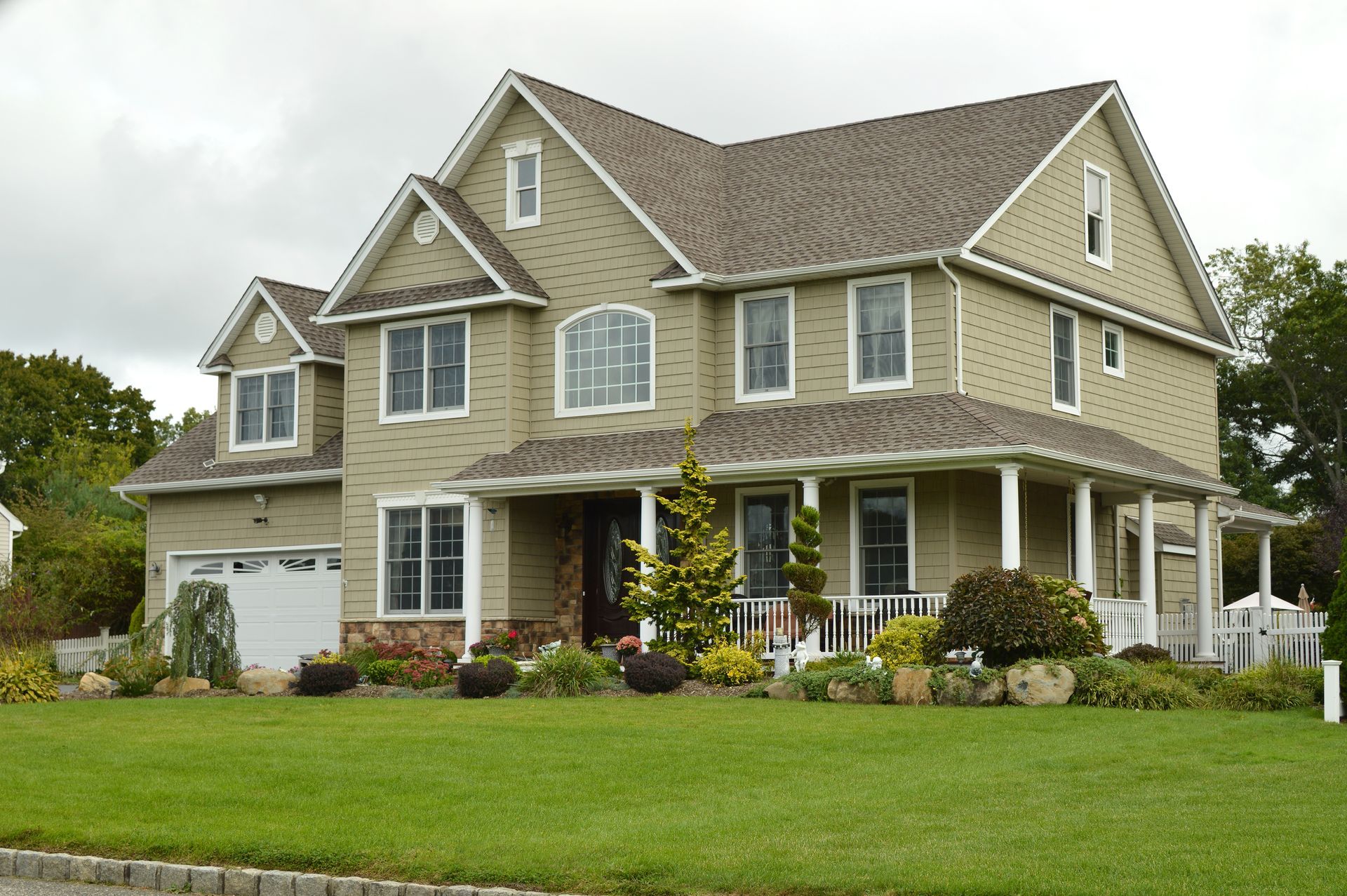
An addition or lower roof creates a transition that needs careful review when water appears nearby. The covering and flashing should be considered together before choosing the repair boundaries.

Plan for the whole roof, including the edges
Your roof has to do more than look finished. Its covering, connections, and gutters need to move water away together. Talk with Axis Roof and Gutter about the repair or replacement your home needs.
Shingle and metal roofing. Repairs and replacement. Attention to connected gutter concerns.
A roof plan that accounts for the connections
A sound roof plan connects the damaged area to the surrounding system. It explains what can be repaired, what has worn out, and how adjoining sections will be handled.
Axis offers residential roofing repairs and replacements, with asphalt shingle and metal installation as well as gutter and exterior services. You can discuss a problem at a valley or roof edge alongside the condition of the main covering, rather than looking at each part in isolation.
For a homeowner in Bonney Lake or Lake Tapps, the useful starting point is a description of the house and the concern. Is water appearing near a wall? Does a lower roof receive runoff from above? Those details help identify what belongs in the roofing discussion.
Look where roof sections meet
Roof problems can begin at a connection, not just in the middle of a shingle field. Tell the roofing team where symptoms appear and how nearby slopes, openings, or gutters relate to that area.
An addition or lower roof creates a transition that needs careful review when water appears nearby. The covering and flashing should be considered together before choosing the repair boundaries.
Overflow may point to a gutter concern, while moisture behind an edge may involve roofing details. Describe where the water goes during rain so the assessment can distinguish between these possibilities.
A visible damaged patch is only part of the picture when adjacent roofing is also deteriorating. Ask how much sound material surrounds the area and whether it can support a dependable repair.
Separate leaks around vents, walls, or valleys may need more than repeated spot work. Compare the condition of those details with the remaining covering before deciding how broad the project should be.
Roofing and drainage concerns can overlap. That does not make them the same problem. Have the proposed work explain which symptom each roof or gutter item is intended to address.
Choose work that reaches the cause
The decision depends on what is failing and how it connects to the surrounding roof. Some junctions can be corrected locally. Worn covering across several areas can make replacement the more appropriate subject to discuss.
| Part of the assessment | A localized approach may fit | Broader replacement may fit |
|---|---|---|
| Roof junction | One transition needs correction and the adjoining roof sections remain sound. | The covering around multiple transitions is too deteriorated to retain reliably. |
| Leak pattern | The source is limited and can be addressed within a clearly defined work area. | Several leak areas accompany deterioration across the roofing assembly. |
| Condition underneath | Any identified underlying damage is limited enough to include in a focused correction. | The extent of underlying damage requires a larger area to be opened and rebuilt. |
| Overall usefulness | The repair corrects the present defect without ignoring other known roof failures. | Keeping most of the covering would leave the home with substantial unresolved roofing needs. |
Choose materials around the roof design
A roof with several slopes needs more than a material preference. Compare how the selected covering works at valleys, walls, and lower sections. Axis installs both asphalt shingles and metal roofing, with the choice guided by the proposed system and your home.
Architectural shingles offer a layered appearance and a range of colors for residential roofs. When planning a replacement, consider how the finished surface meets ridges, valleys, and roof openings. Those connections should remain part of the discussion after you choose the color.
Keep the plan connected: Ask which adjoining details will be rebuilt and which will stay. A new covering does not explain the treatment of every existing component.
Panel profiles and finishes can give a home a different visual character, but the roof geometry still matters. The proposed metal system needs an attachment approach and details for penetrations, valleys, and transitions. Discuss those practical requirements along with the appearance.
Account for movement: Metal changes dimension with temperature. Its attachment and connecting details should suit the selected assembly, not be treated as generic finishing work.
A lower roof may need its own specification. Porches and additions can differ from the main roof in pitch or construction. Ask how their coverings and water-shedding connections are included before approving the project.
Connect the visible and hidden layers
Use the estimate to follow the assembly from the deck to the drainage edge. The items below help explain why roofing work sometimes extends beyond the spot you first noticed.
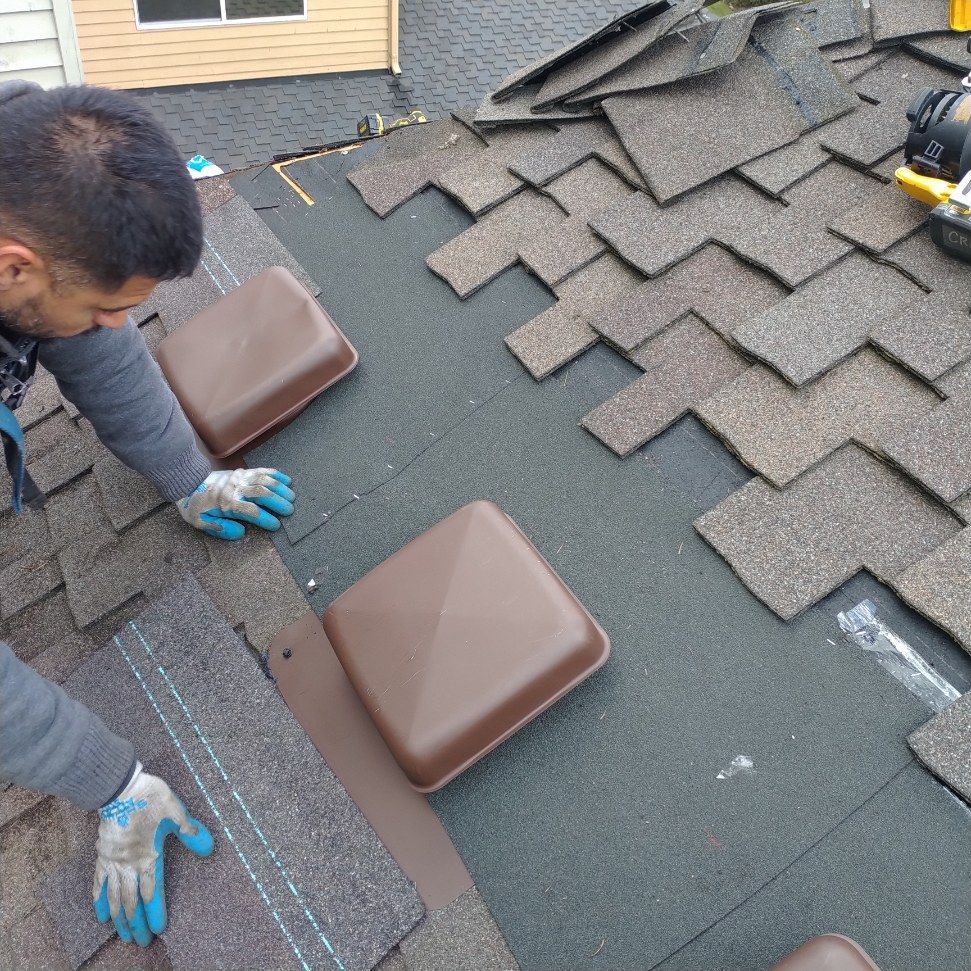
If the covering is removed, the exposed deck can be evaluated. Agree on how any unsuitable areas will be documented and addressed before new materials cover them.
Underlayment and protection at vulnerable areas depend on the proposed assembly. Ask how those layers connect where new work meets roofing that will remain.
At walls, roof openings, and intersections, flashing directs water past the interruption. A scope should describe the needed correction, not merely mention sealing a leak.
Different attic layouts can need different ventilation arrangements. Have the intake and exhaust considered in relation to the roof design before choosing changes.
Water gathers in valleys before reaching lower edges. Review that route, including the gutter connection, so adjacent components are not left out of the discussion.
Plan the work around the house
A coordinated plan starts with understanding the roof sections and finishes with clear records of the work. These are the conversations to have before, during, and after the project.
Point out the main house, lower roofs, and any additions. Explain where leaks or drainage issues occur and share the history of work at those locations.
Review repair boundaries or replacement areas, material options, and adjoining details. Establish what is included where the roof connects to gutters or other exterior components.
Arrange delivery space, access, and protection for the household. Discuss weather planning and the approval process for conditions discovered after the roof is opened.
Check the completed scope against the agreed roof sections. Collect the project paperwork, discuss ongoing care, and confirm whom to contact about any follow-up questions.
Think about access before materials arrive: A clear unloading area and a safe route to the house need to be planned together. Tell the team which vehicles, outdoor items, or household activities affect the available space.
The layout affects the amount of work
An uninterrupted slope and a roof with several intersections require different work, even when their areas are similar. Repairs at connections, removal of existing layers, and access to lower sections can all affect the scope and cost.
For your estimate, identify the entire project boundary. Does it include the porch? Which gutter connections are involved? How is underlying damage priced? Answering those questions makes the proposed total more meaningful than a figure based on house size alone.
Ask for My Project Estimate
GAF Master Elite®️
roofing contractor recognition
Axis has earned GAF Master Elite certification as well as a President's Club distinction. The linked GAF profile provides a direct place to check those credentials.
Verify Axis recognition with GAFDiscuss the roof as part of your home
For a roof project in Bonney Lake or Lake Tapps, ask about the connections as well as the covering. Axis provides roof repair, replacement, gutters, and exterior services, so concerns at the edge of the roof can be raised alongside the main roofing work.
The goal is to define the necessary work, not replace adjoining components automatically. Discuss which details appear serviceable, which need correction, and which remain uncertain until materials are removed. Those distinctions should carry through to the proposal.
Review applicable product and workmanship coverage before selecting the system. GAF-related warranty options depend on qualification and written terms; do not assume an enhanced option is included simply because the contractor holds a manufacturer certification.
Look through the Axis roofing galleryPlan for the actual site, not assumptions
Bonney Lake identifies rooftops as a source of stormwater runoff. That makes water routing a useful part of a roof conversation. For homes in either community, the actual slopes, surrounding conditions, and drainage connections should guide the details.
Where an upper roof sheds water toward a lower one, discuss the receiving area and its connections. Follow the route to the gutter rather than reviewing each roof plane on its own.
A Lake Tapps address does not describe every part of a roof. Point out nearby trees, shaded areas, and visible debris so the team can consider the conditions at your house.
List all roof areas being considered, including attached porches or additions. Then confirm access, material staging, and any property restrictions before the scope and schedule are settled.
Practical answers for planning the work
Roof intersections, material choices, and gutter connections often raise questions of their own. Use these answers to prepare for a discussion about your house.
Discuss your roof: 360-653-7663Yes, especially when water appears near an eave or spills from a roof edge. The components connect, but they may have separate defects. Ask which roofing items and which gutter items need attention, and have the estimate distinguish the work involved in each.
Sometimes. A localized correction may be possible when the problem is limited to the junction and the adjoining roof materials remain suitable. The assessment needs to consider both roof sections and the connection between them before defining a repair area.
The address alone is not enough to select a system. Compare the roof pitch, layout, current construction, exposure, and your preferences. Axis installs asphalt shingles and metal roofing; the proposed assembly should be evaluated for the specific house rather than chosen by location alone.
No. Their condition and the surrounding flashing need to be considered, but a roof project does not automatically require replacing every adjoining component. Ask whether each skylight will remain, need flashing work, or require separate attention, and have that decision recorded in the scope.
That decision depends on the existing construction and the proposed assembly. Removing the covering allows the exposed deck to be checked, which an overlay does not provide in the same way. Ask what the recommended approach means for concealed conditions and the applicable installation terms.
Discuss parking, material deliveries, debris containers, and the routes your household uses. Move items only as agreed with the team, keep children and pets away from active work areas, and plan for installation noise. Confirm the arrangements before the workday rather than at delivery time.
Ask which care instructions apply to the installed materials, what changes should prompt a call, and how to address debris or drainage concerns safely. Keep those instructions with your project documents. The appropriate care depends on the actual roof system, not just whether it is shingle or metal.
Only the written scope can establish that. Point out every roof section you are considering, then check which areas, connecting details, and materials appear in the proposal. A lower slope may need a different assembly, so do not assume the main-roof description covers it.
Start by calling 360-653-7663 or requesting a free estimate from Axis. Share the full property address and describe the roof sections or drainage concerns you want to discuss. Include any known leak or repair history to help frame the next step.
Bring the roof and its connections into focus
Discuss your Bonney Lake or Lake Tapps home, from the main covering to the gutter line. Request a free estimate for the repairs or replacement your roof calls for.


