Water marks that appear after specific storms
If an interior spot becomes wet only during certain rain or wind conditions, that pattern can help narrow the entry point. Note where the stain starts and whether it changes between storms.

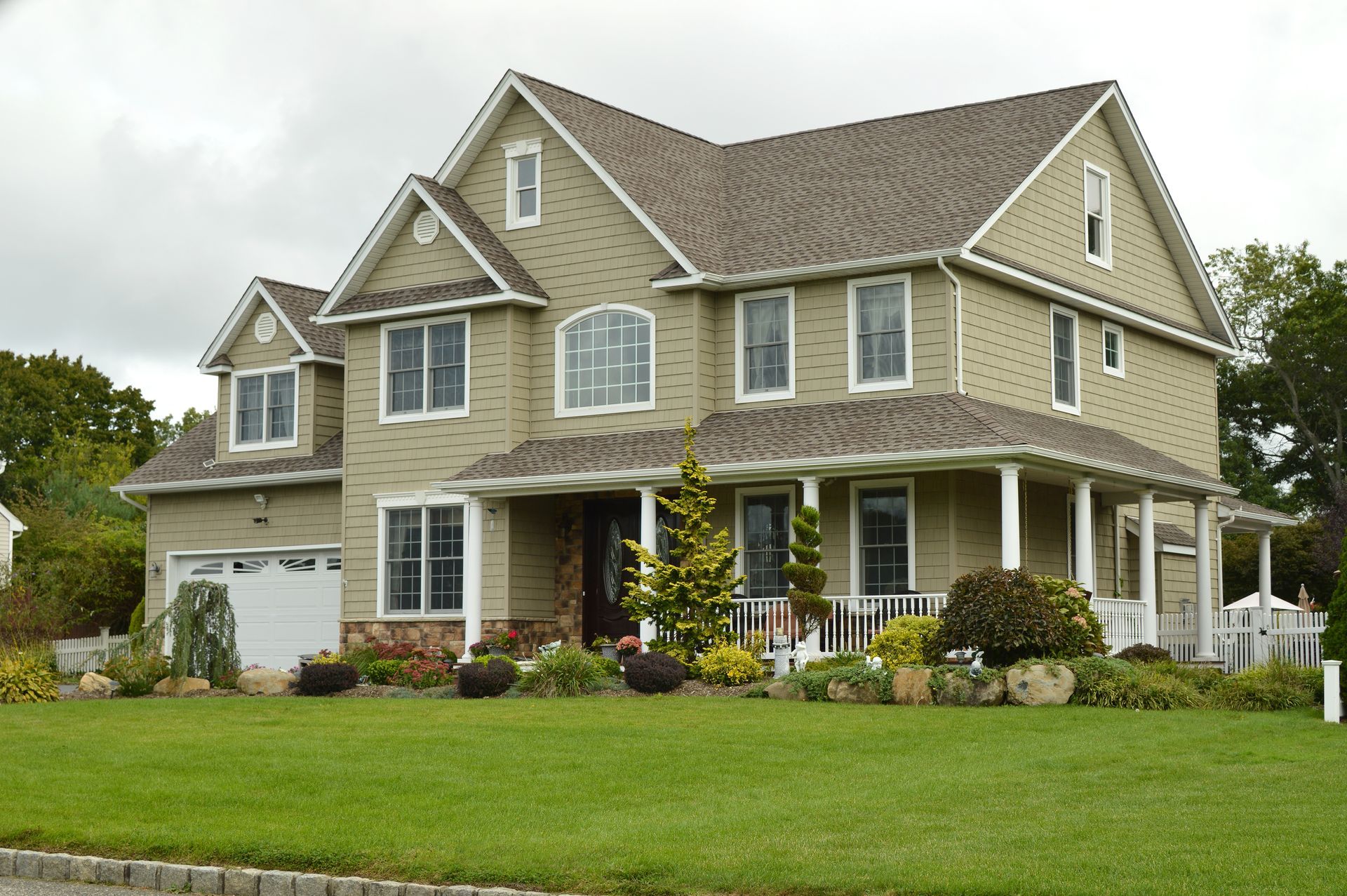
Axis Roof & Gutter · Residential roof repair service
A roof leak can begin at one small detail and show up several feet away. The right repair starts by locating the entry point, checking what sits below it, and deciding how the new work will connect to the existing roof.
Find the source. Repair the damaged detail. Keep the surrounding roof working.
Repair the failure without overlooking the roof around it.
Many roof problems begin as a localized failure: a damaged shingle, a compromised boot, a flashing transition, or a section where water is not draining as intended. When the rest of the roof is still serviceable, a focused repair may be the practical answer.
Axis Roof & Gutter helps homeowners identify the source and understand the repair area before work moves forward. That may include comparing interior moisture clues with roof conditions, checking nearby materials, and reviewing previous repair spots.
The top layer is only part of the picture. A repair can involve the roofing surface, flashing, underlayment, decking, roof openings, valleys, or drainage depending on how water entered and where it traveled.
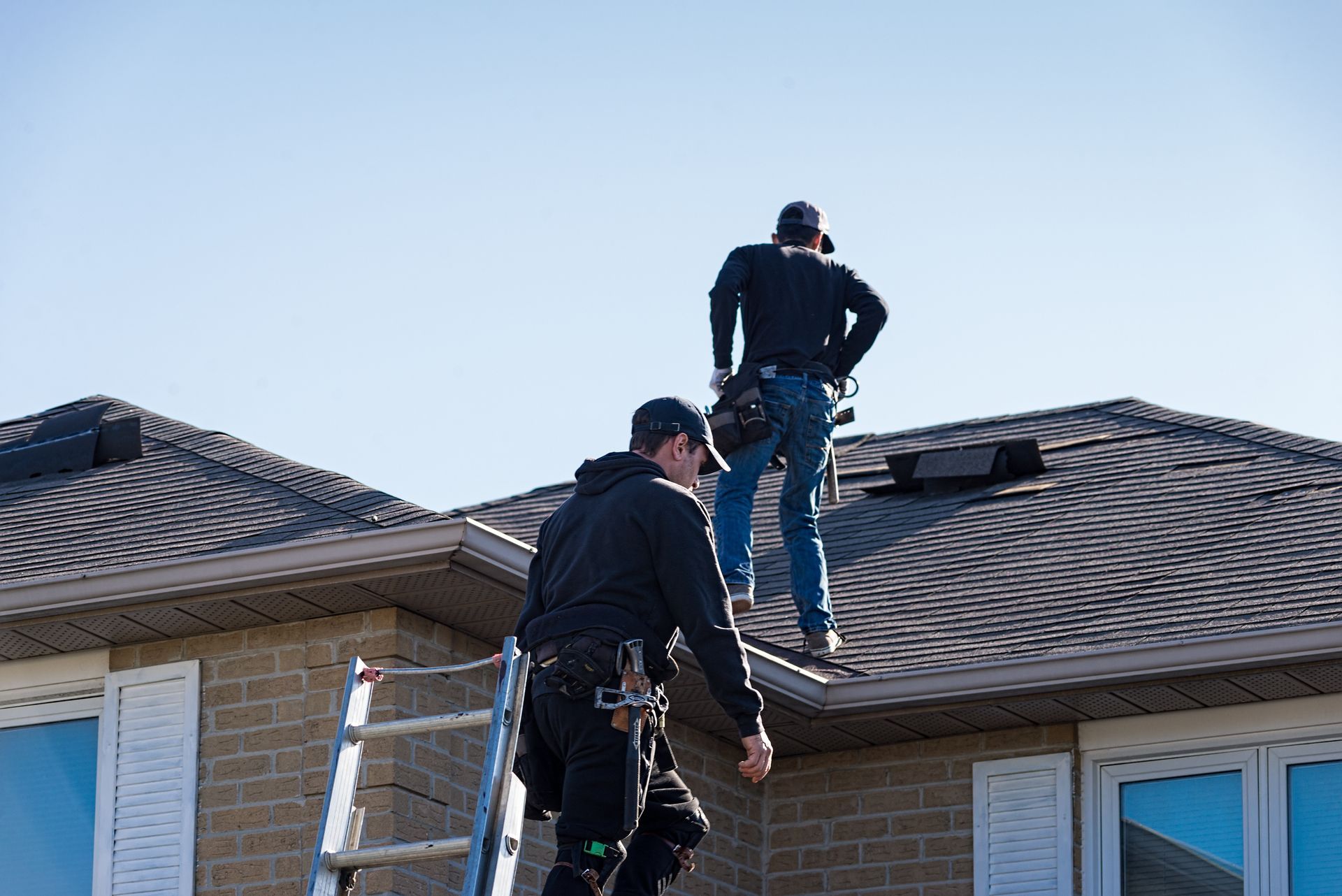
Pay attention to changes in one roof area
A repairable problem can start quietly. A new stain, a shifted piece of roofing, or a wet area near a penetration gives the roofer a place to investigate before the issue spreads or repeats.
If an interior spot becomes wet only during certain rain or wind conditions, that pattern can help narrow the entry point. Note where the stain starts and whether it changes between storms.
Punctures, cracked shingles, lifted edges, or localized metal damage may be repairable when the nearby roof is still sound. The condition beneath the visible defect matters too.
These areas bring roof covering and flashing together, often where water is concentrated. A repair should inspect the complete transition and how runoff reaches it.
An old repair that starts leaking again may signal that the original source was not fully corrected or that surrounding materials have changed. The next scope should reassess the entire detail instead of simply repeating the patch.
The location of the drip is useful, but it is not the diagnosis. Water can enter higher on the roof and travel before it reaches insulation, framing, or drywall. The repair area should be based on the roof evidence, not only the interior mark.
A durable repair needs usable roofing around it
A contained failure with solid surrounding materials can often be addressed as a repair. When the roof is failing across multiple areas, or repairs cannot be integrated without breaking nearby materials, replacement becomes a more realistic comparison.
| Condition to compare | Repair can be a good fit | Replacement may make more sense |
|---|---|---|
| Scope of the problem | Damage is concentrated around one opening, transition, small roof section, or identifiable weather event. | Deterioration spans multiple roof areas or new problems keep appearing beyond the original spot. |
| Ability to tie in | Existing roofing can be carefully opened and new materials can be integrated with sound surrounding work. | Existing materials crack, crumble, or fail when disturbed, making a dependable tie-in difficult. |
| Moisture pattern | The source can be narrowed to a roof detail that can be accessed and corrected. | Moisture appears in several areas or continues after repairs to different locations. |
| Longer-term value | The repair restores the damaged area without ignoring known problems elsewhere on the roof. | Continued spot repairs are becoming less practical because the overall roof condition is declining. |
The existing material determines how the repair should be built
Shingle and metal systems handle water differently and use different connections. A repair should respect the existing construction, especially at fasteners, overlaps, penetrations, and flashing transitions.
A shingle repair may replace damaged pieces or rebuild a small section around flashing or a penetration. Nearby shingles need to be workable enough to lift, fasten, and seal without creating new cracks.
Repair focus: The new shingles should tie into sound existing work and the cause of the damage should be addressed at the same time.
Metal repairs may involve panel damage, seam conditions, fastener issues, or flashing around roof openings. The method needs to suit the panel profile and allow for the way the roof system moves.
Repair focus: A surface coating cannot correct every mechanical or flashing failure, so the source should be confirmed first.
Is the problem where a lower roof, deck cover, or addition meets the main structure? Those junctions can combine different slopes and drainage paths. The repair should examine the flashing sequence and where water is directed before new materials are installed.
Open only what is needed, but inspect every affected layer
The work area may be small, yet several roof components can overlap there. Once the source is located, these are the details that can determine whether the repair is complete.
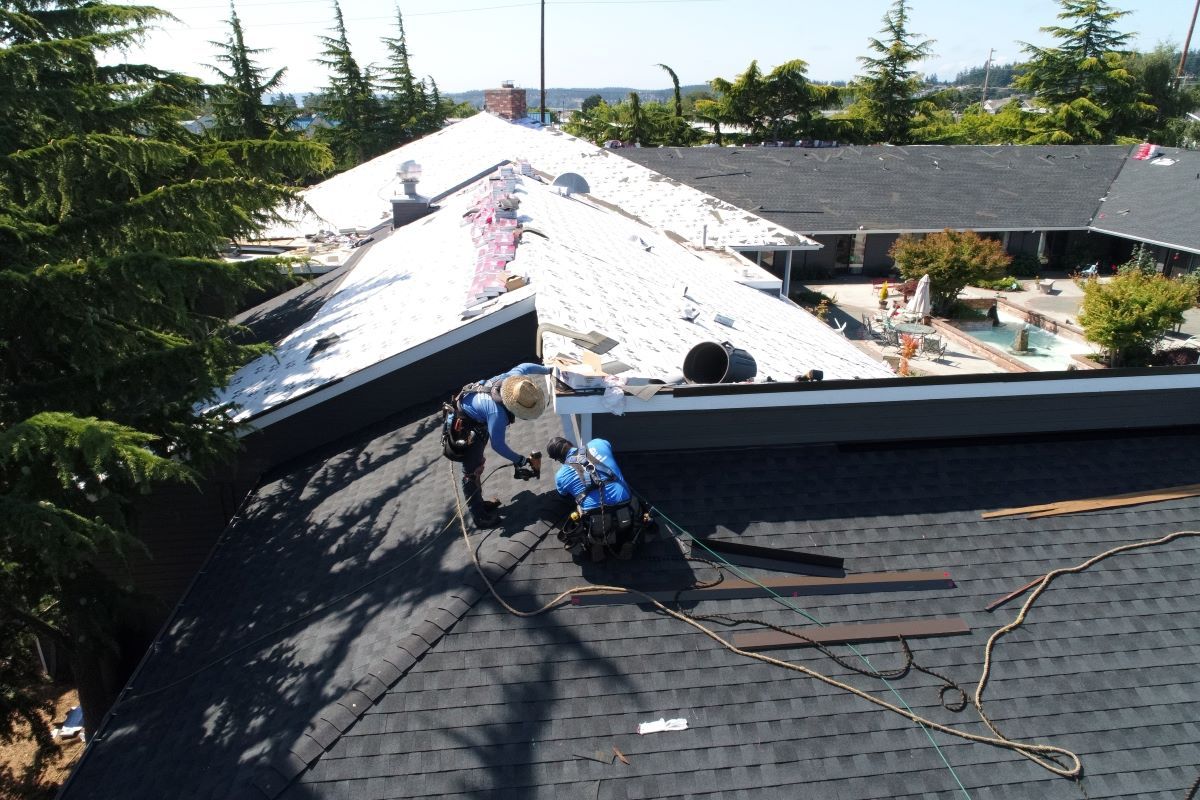
If decking has softened or deteriorated from moisture, that section may need to be replaced so the repaired roof covering is secured to a stable surface.
Underlayment helps move incidental water downslope beneath the primary roof covering. Any damaged section exposed during repair should be evaluated and integrated with the existing layer.
Step flashing, counterflashing, boots, and other transition details need to overlap correctly with the roof covering. A failure in that sequence can let water bypass otherwise intact roofing.
Vent openings should be checked as a complete detail, including the flange or flashing and the roofing that laps around it. A leak near a vent is not always a failed vent itself.
Water volume increases in valleys and at roof edges. When the repair sits in that path, debris, gutter condition, and flashing should be reviewed along with the damaged roofing.
A repair process built around the actual leak
Roof repair is easier to evaluate when you know what each step is meant to accomplish. The process should move from diagnosis to a defined scope, then to the repair itself and a final review.
Show where you see water or damage, explain when it happens, and mention earlier repairs. The roof inspection can use those details to focus on likely entry points and surrounding components.
Review what will be removed or opened, what materials will be installed, and which adjoining details are included. Ask how a change in scope will be communicated if hidden damage appears.
Set up safe access, protect areas below the work, and complete the repair according to the existing roof system and the conditions found after the area is opened.
Confirm cleanup and look over the repaired area or available documentation. Ask what normal weather exposure should tell you about the repair going forward.
Help the crew locate the problem: Leave interior stains visible when possible, note the weather that triggers the leak, and make sure the team knows about attic access, old patches, or roof additions near the affected area.
The estimate depends on the detail being repaired
A roof repair estimate reflects the size and location of the damaged area, the material already installed, the complexity of the roof detail, and any moisture damage hidden below the surface. Access and setup can matter as much as the number of replacement pieces.
Ask the estimate to describe the problem and the proposed correction. That makes it easier to compare scopes and to understand whether decking, flashing, disposal, or other related work is already included.
Request a Roof Repair Estimate
GAF Master Elite®️
roofing contractor
Axis is listed in GAF’s residential contractor directory with Master Elite certification and a President’s Club distinction.
View Axis’s GAF credentialsExperience is useful when it turns into a clear repair scope
Axis Roof & Gutter offers roof repair together with residential roof replacement, gutter, and exterior services. For homeowners, that can make it easier to discuss a roof leak and connected drainage or exterior details in one place.
Before approving work, make sure the repair area and included components are easy to identify. A clear estimate should also explain what happens if opening the roof reveals more damage than expected.
If the repair involves manufacturer products or a roof with existing warranty coverage, ask what terms apply. The answer can depend on the original system and the products used for the repair.
View the Axis roofing project galleryThe repair should fit the roof, exposure, and drainage pattern
Roof exposure can change from one side of a property to the other, especially where trees, shade, and open areas affect drying and debris. Those conditions are useful context when a leak or localized failure is being investigated.
Leaves and needles can collect around valleys, roof-to-wall transitions, and gutters. If the leak is nearby, the roofing underneath should be inspected for damage or prolonged moisture exposure.
One slope may dry faster or take more wind and rain than another. Comparing the affected area with nearby slopes can help show whether the problem is isolated or part of broader wear.
Water from upper slopes can concentrate on lower roof sections or at eaves. When a repair sits below another roof area, the inspection should consider where that runoff is coming from and how it exits.
Answers for common roof repair decisions
A repair estimate is easier to evaluate when you understand what the roofer is looking for. These questions cover common concerns for homeowners dealing with roof damage in Bonney Lake / Lake Tapps, WA.
Ask our team: 360-653-7663A localized issue usually has a defined source and surrounding roofing that remains serviceable. The inspection should check beyond the visible damage to confirm the repair can be integrated without leaving broader deterioration unresolved.
Access, roof slope, material type, flashing details, and hidden moisture damage can all change the scope. Ask for an estimate that explains the repair area and how additional work will be handled if more damage is exposed.
You do not need to wait for another storm. Photos, moisture marks, the weather conditions from the last leak, and roof evidence can still help the roofer narrow the likely entry point during an inspection.
It can be repairable when the damage is limited and the surrounding roofing can be integrated properly. Valleys carry a high volume of water, so the repair should evaluate the valley lining, adjacent roofing, and drainage path together.
Roofing materials overlap to shed water, and the true leak path may extend beyond the surface defect. Opening a larger controlled area can be necessary to reach sound material and rebuild the detail correctly.
It depends on the condition and design of the existing detail. The repair should inspect the flashing and surrounding roofing, then determine what needs to be replaced, reset, or integrated to stop water entry.
The damaged portion of deck may need repair or replacement before roofing is reinstalled. Ask how the crew will document concealed damage and obtain approval before expanding the scope.
That depends on the original warranty, products, and repair method. Review any existing terms and ask what coverage applies to the new repair work before proceeding.
Call 360-653-7663 or request a free estimate online. Give the team the property address, where the leak or damage is visible, when it happens, and any information about earlier roof work near that area.
Turn the leak into a defined repair plan
Start with the damaged area in Bonney Lake / Lake Tapps, WA and get a repair recommendation based on the source, the surrounding materials, and the condition found below the surface.


