Stains below a valley or roof intersection
Water from two roof planes can meet in a valley and travel along the deck if the detail is damaged. Interior staining below that area is a reason to inspect the full valley path and nearby flashing.

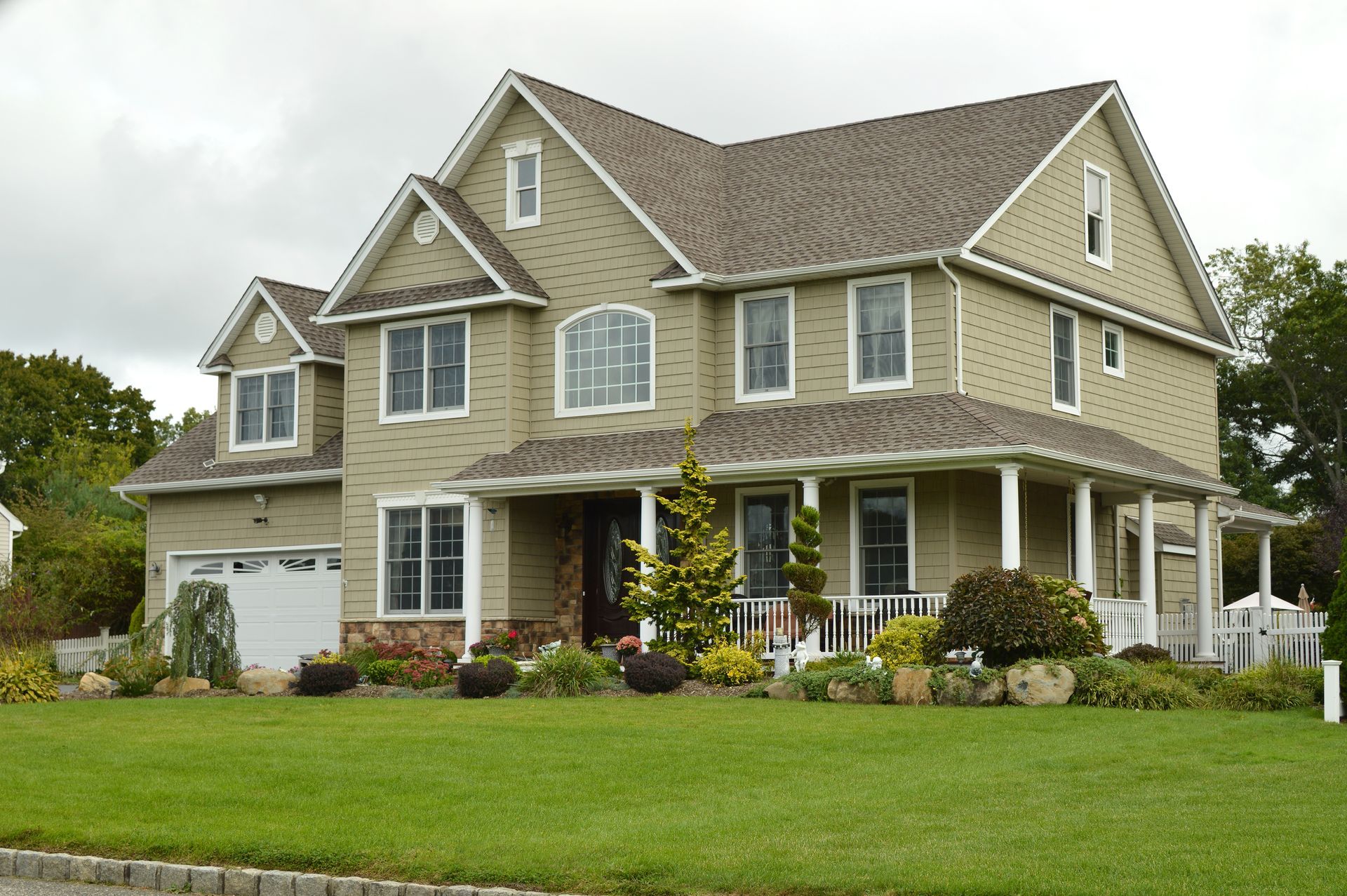
Axis Roof & Gutter · Bothell roof repair
Leaks often develop where roof sections meet, where an addition ties in, or where runoff is concentrated. A good repair starts by understanding the roof layout and identifying the exact transition that has stopped managing water correctly.
Repair planning for leaks, valleys, transitions, shingles, and metal roofing.
Complex rooflines need a repair plan that follows water flow.
The right repair addresses the failed junction and restores how the connected roof sections move water toward the eaves and gutters.
Axis Roof & Gutter evaluates roof leaks, localized shingle damage, metal roofing issues, flashing failures, valley concerns, and problems at additions or roof transitions. The scope should be based on the roof layout and the condition of the materials that surround the failure.
During rainy periods, valleys, sidewalls, lower roof tie-ins, vents, and eaves can carry or redirect a large amount of runoff. A Bothell roof repair estimate should show where the work begins and ends, how the repair integrates into the existing roof, and how hidden moisture will be handled if discovered.
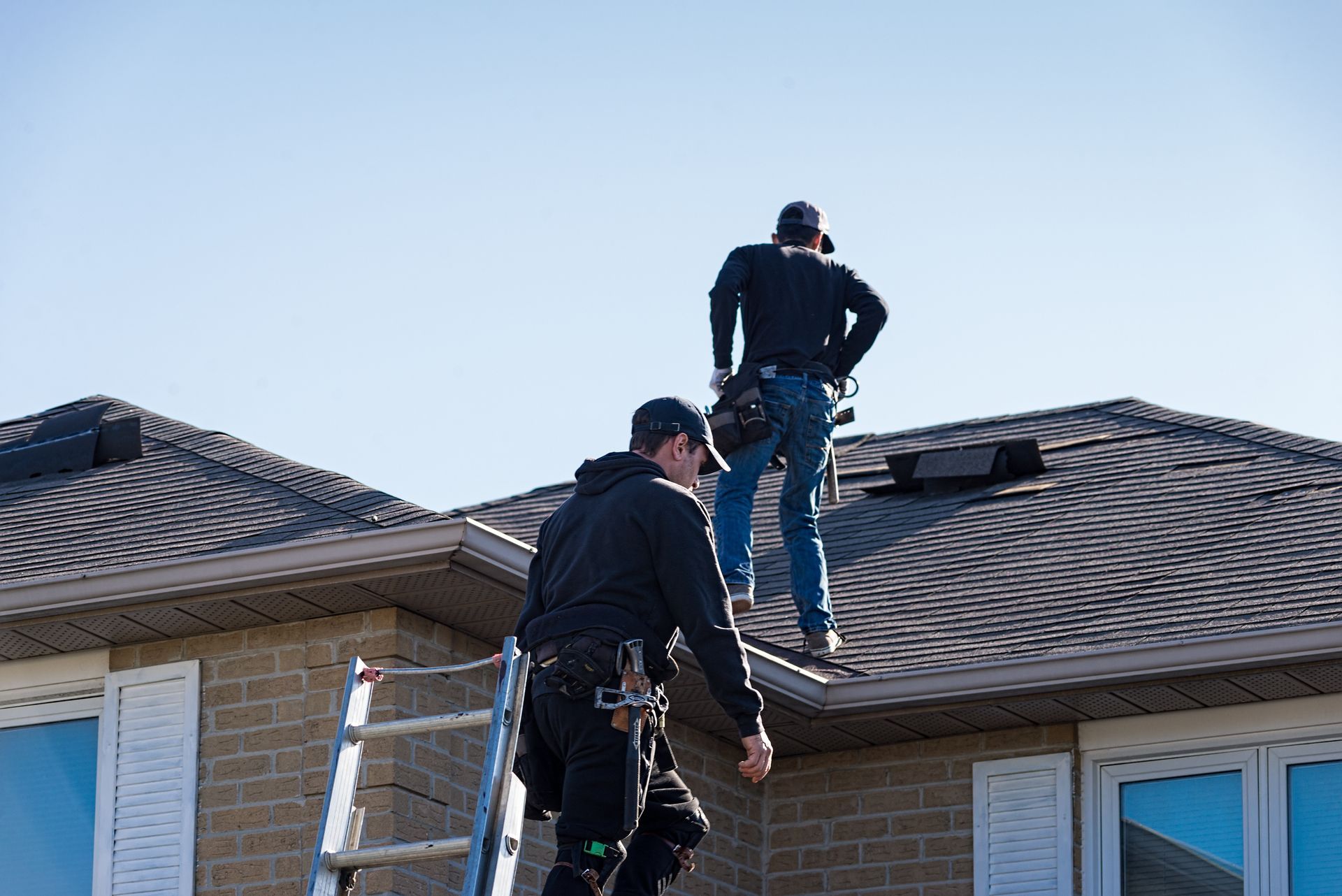
Roof intersections can show problems in several different ways
Leaks near additions, valleys, walls, or lower roof sections may not come from the spot directly above the stain. Watch for changes in roofing material, drainage, and flashing around those connections.
Water from two roof planes can meet in a valley and travel along the deck if the detail is damaged. Interior staining below that area is a reason to inspect the full valley path and nearby flashing.
Shingles at transitions can be stressed by runoff and by the way different roof sections overlap. A small repair may work if the nearby courses remain stable enough for a proper tie-in.
Where a roof meets a vertical wall or another structure, layered flashing has to move water out onto the roof. Gaps or poorly integrated pieces can let moisture move behind the covering.
Debris at valleys and gutters can slow runoff where several roof sections drain together. That extra water exposure can reveal weak edges, fasteners, or flashing details.
Check the whole intersection, not only the wet spot. A roof transition can involve shingles or panels, underlayment, flashing, decking, and drainage all at once. The repair should account for how those parts meet.
A focused repair depends on a dependable tie-in
Sometimes it can. The deciding factors are whether the failure is limited to one transition and whether the roofing on each side is sound enough to be opened and rebuilt around the repair.
| What matters | A targeted repair may be enough when | A broader project may be better when |
|---|---|---|
| Limits of the damaged area | The problem is contained to one valley, wall connection, penetration, or small roof section. | Damage continues through several intersections, slopes, or widely separated parts of the roof. |
| Condition at the tie-in | The roofing beside the repair is still stable, flexible, and suitable for integration. | Adjacent materials are brittle, loose, heavily worn, or already failing at several points. |
| How clear the leak path is | The water route can be connected to one failed transition or damaged component. | The leak source remains uncertain or moisture keeps returning from different areas. |
| What remains after repair | Rebuilding the intersection would leave the neighboring roof sections in serviceable condition. | A small repair would sit between other weak details that are likely to keep causing problems. |
Roof material and roof geometry both shape the repair
A repair at a valley or transition has to work with the existing roof material as well as the roof layout. Shingles, metal panels, flashing, and underlayment each need to be integrated in the right order.
Shingle repairs may involve removing several courses around a valley, vent, wall, or damaged patch so the underlying detail can be corrected. The surrounding shingles need enough remaining life to be lifted and resealed without breaking apart.
Matching is secondary to performance: New shingles can stand out beside older roofing. A repair should be judged first by its fastening, overlap, and water-shedding details.
Metal leaks may come from a seam, fastener, penetration, flashing, or panel transition. The repair should fit the panel profile and attachment method while allowing for normal expansion and contraction.
Avoid a sealant-only shortcut: If the panel attachment, movement, or flashing geometry is wrong, covering the joint with sealant does not rebuild the failed detail.
Lower roofs and additions deserve their own inspection. Where a lower-slope roof meets a steeper section, water can collect or move sideways at the junction. That connection should be diagnosed before assuming the main roof field needs repair.
A roof intersection works only when every layer lines up
The visible roof covering is only one part of a valley, wall tie-in, or penetration. The repair should restore each layer that helps direct water outward and protect the deck below.
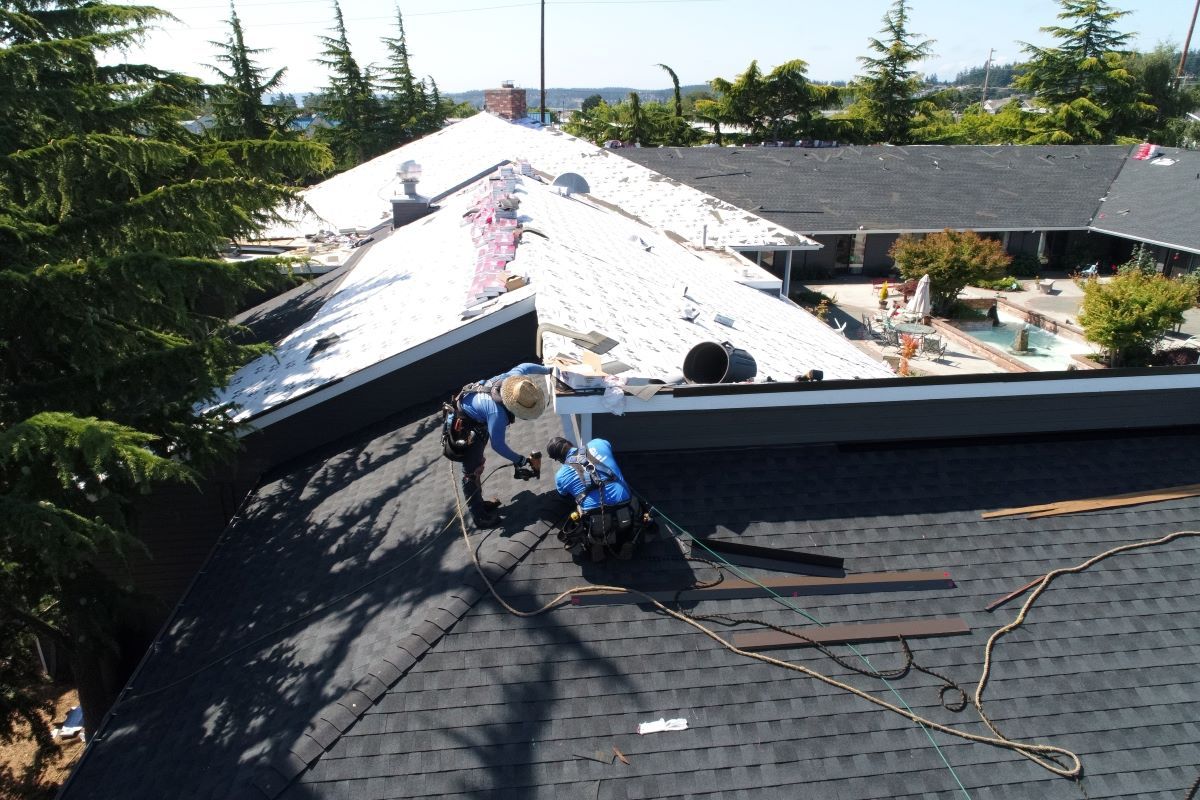
Both sides of the repair need enough sound material for a dependable tie-in. Worn or brittle shingles and distorted panels can change how much of the roof must be opened.
Valleys and transitions can concentrate moisture if water gets below the covering. Once opened, the area should be checked for affected underlayment or deck material.
Walls, penetrations, and roof junctions depend on flashing that overlaps with the roofing in the correct sequence. The repair should recreate that layered path.
If the moisture pattern does not line up with rainfall, attic condensation or ventilation may need to be considered before the roof is blamed for every stain.
Water can arrive quickly where several roof planes drain toward one valley or eave. Debris or poor drainage can increase exposure at a weak transition.
Repair work is easier to evaluate when the scope follows the roof layout
The process should move from identifying the water route to defining the exact transition, protecting the property, and checking the rebuilt area after the repair is complete.
Show the contractor where water appears and what conditions trigger it. Roof planes, valleys, walls, penetrations, and attic clues can then be compared to identify the likely route.
Review which roof sections will be opened, which materials will be replaced, and how concealed damage will be handled. The proposal should clearly define the tie-in area.
Protect the work zone, remove only the roofing needed for access, and rebuild the failed detail so it connects correctly with the adjacent roof sections.
Review the completed work, cleanup, and any documentation. Ask how the repaired area should drain and what signs would justify a follow-up after future rain.
Point out both the stain and the roof section above it: Interior clues are especially useful on homes with several roof planes. Clear nearby vehicles or outdoor items and keep the ladder area free for the crew.
Intersections can add removal and rebuilding steps
A roof repair at a valley, wall, addition, or other intersection can involve more layers than a simple surface repair. Cost changes with access, roof type, the number of components that must be opened, and any hidden damage below.
Look closely at what each estimate includes. A cheaper proposal may not be comparable if it only replaces surface material while another rebuilds flashing, underlayment, and the surrounding tie-in.
Request My Bothell Roof Repair Estimate
GAF Master Elite®️
roofing contractor
GAF lists Axis as a Master Elite residential roofing contractor and notes a President’s Club distinction in its contractor directory.
Review Axis’s GAF credentialsA clear estimate should connect the leak to the roof layout
Axis Roof & Gutter handles residential roof repair, replacement, gutters, and exterior services. That can be helpful when a roof transition or eave issue involves both the roofing and the way water leaves the structure.
Ask what section will be opened, how far the repair is expected to extend, and how the new work will be tied into each adjoining roof area. The scope should also address hidden damage if it is uncovered.
GAF certification may affect product and warranty choices for qualifying roofing systems. Repair work should still be judged by the written terms that apply to the exact products and labor in your proposal.
Explore the Axis roofing galleryValleys and connected roof sections deserve extra attention
Homes with several roof planes can send runoff toward the same valley, wall, or eave. Understanding those connections helps explain why a leak may appear far from the visible roof defect.
A valley carries water from both adjoining slopes. Debris, damaged material, or a weak underlying detail can create a leak that follows the valley before becoming visible indoors.
Where one roof section meets another, flashing and underlayment need to manage water from both surfaces. The junction should be checked carefully when moisture appears below an addition.
Several roof planes may discharge toward one eave or gutter section. Keeping that path clear helps reduce standing debris and makes roof-edge problems easier to inspect.
Questions about valleys, transitions, and localized roof repair
Homeowners with complex rooflines often want to know whether one failed intersection can be repaired without disturbing the rest of the roof. The answer depends on the condition around the tie-in.
Ask Axis: 360-653-7663A localized valley repair may be possible when the problem is contained and the roofing on both sides remains serviceable. The contractor still needs enough sound material to open the area and rebuild the valley detail correctly.
Roof complexity, access, material type, flashing work, and hidden deck or underlayment damage all influence cost. Repairs at intersections can require more removal and rebuilding than work in an open roof field.
Yes. Water can enter where the lower roof, wall, or addition connects to the main roof. The transition should be inspected before assuming the roof covering farther upslope is the cause.
Water can follow underlayment, decking, framing, or fasteners after it enters. The indoor stain may appear downslope or to the side of the actual opening, so both interior and exterior clues matter.
The flashing should be checked for gaps, corrosion, movement, and incorrect layering. Some pieces may remain usable, while damaged or poorly integrated flashing may need to be rebuilt with the repair.
They can contribute when runoff backs up or stays near the eave. Gutters are not the cause of every leak, but drainage should be checked when several roof sections discharge toward the same edge.
Affected sheathing may need replacement before underlayment and roof covering are restored. Ask how the contractor will document the damage and get approval for any added work.
Ask for the written terms that apply to the repair work and any new materials. Repair coverage can be narrower than a full roof system warranty, so review the exclusions and responsibilities carefully.
Call 360-653-7663 or request a free estimate online. Tell the team which room shows moisture, what roof section sits above it, when the problem appears, and whether the area has been repaired before.
Get the roof intersection clearly diagnosed
Start with the leak location and the roof sections that meet above it. Axis can help define the failed transition and explain what a repair should include before materials are removed.


