The leak history is getting longer
One repair does not mean a roof is finished, but repeated leaks in different areas can show that several details are reaching the end of useful service.

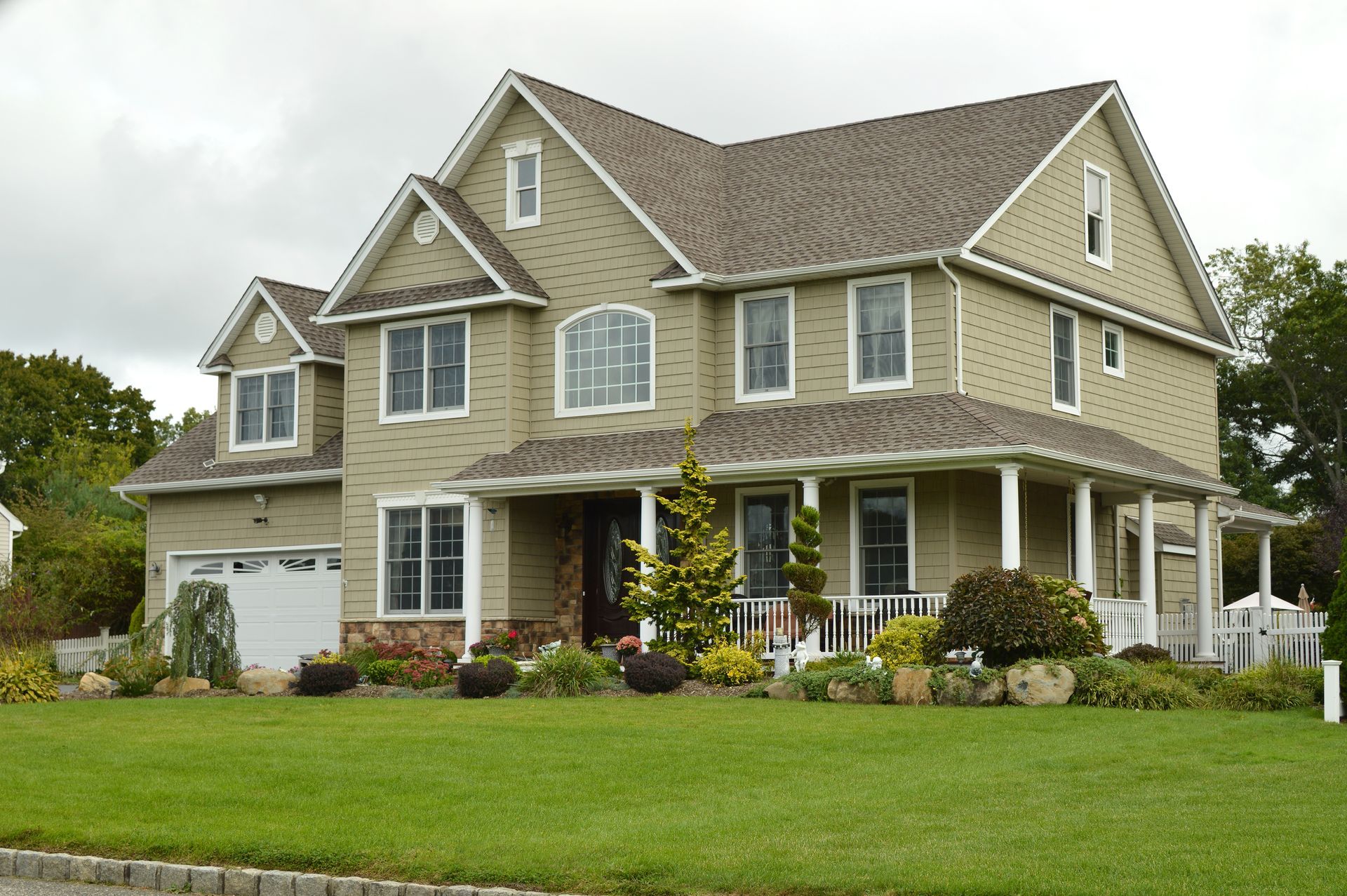
A practical Bothell roof replacement guide
Bothell roofs work through months of rain while tree cover and fall leaves can slow drainage around valleys and gutters. Replacement planning should look beyond the surface and include the deck, flashing, ventilation, and runoff path.
Build the replacement scope around what the roof actually needs.
Begin with the roof system, not the catalog
The case for replacement gets stronger when damage is broad, repair history is growing, and important components are aging together instead of failing in one small location.
Axis Roof & Gutter can review the roof as a connected assembly and explain which concerns can be corrected locally and which ones make a full replacement more practical.
Because long wet seasons, leaf fall, and frequent runoff from roofs and paved surfaces are part of life in Bothell, the proposal should explain how the new assembly will handle water at valleys, edges, penetrations, and gutters.

Signs that the issue may be larger than one repair
Replacement is rarely justified by one small defect alone. It becomes a stronger option when damage is broad, repairs are short-lived, and several roof details are declining together.
One repair does not mean a roof is finished, but repeated leaks in different areas can show that several details are reaching the end of useful service.
Broad surface aging, lifted edges, damaged tabs, or brittle roofing across different slopes can be a stronger replacement signal than one damaged patch.
Soft deck areas, failed flashings, and moisture around multiple roof interruptions can expand the work beyond a simple surface correction.
If each service call buys less time, compare the cost and disruption of continued repairs with a planned replacement scope.
Roof age is only one clue. Tree cover, airflow, installation quality, drainage, and maintenance can speed up or slow down roof deterioration.
Repair the defect or replace the worn system
The decision is less about whether a patch can be installed and more about what that patch will be attached to. The surrounding roof needs enough remaining life for the repair to be worthwhile.
| Question to ask | A focused repair may fit | Replacement may fit better |
|---|---|---|
| Longer-term result | The repair solves the known defect while leaving a roof with meaningful service life. | Another patch would leave widespread wear in place and postpone a larger project. |
| Water-entry pattern | The source can be traced and corrected without opening a large portion of the roof. | Water has returned, moved, or appears to involve multiple roof components. |
| Condition beside the defect | Adjacent roofing, flashing, and deck conditions are sound enough to tie in a focused correction. | Nearby materials are brittle, deteriorated, or too compromised to support dependable repair work. |
| Location of the problem | One defect is clearly isolated and the nearby roof remains stable enough for a lasting repair. | Leaks, storm effects, or material wear are appearing in several roof areas. |
Material choice comes after roof geometry
The material should suit both the architecture and the roof assembly. Look at slope, flashing needs, drainage, transitions, and product requirements before deciding between shingles and metal.
Architectural shingles remain a common choice for sloped homes because they offer many colors and profiles. Their performance still depends on the complete assembly, including starter, underlayment, flashing, ridge components, and ventilation.
Include in the plan: Shingles still rely on sound decking, correctly built flashing, and balanced ventilation. Those items should be part of the replacement scope, not assumptions.
Residential metal changes how many roof transitions are built. Panel profile, coating, attachment method, roof geometry, valleys, sidewalls, and penetrations all need to be matched to the chosen system.
Confirm before installation: Metal expands and contracts as temperatures change, so attachment, seam, and flashing details must be designed for the selected panel system.
Additions and porches may need a different roofing assembly. A porch, addition, or low-slope transition may require a different assembly from the main roof. The proposal should explain how the two areas connect.
Plan every layer, not only what you can see
Treat the estimate as a map of the whole roof system. It should identify the covering, supporting deck, underlayment, flashing, ventilation, and drainage details.
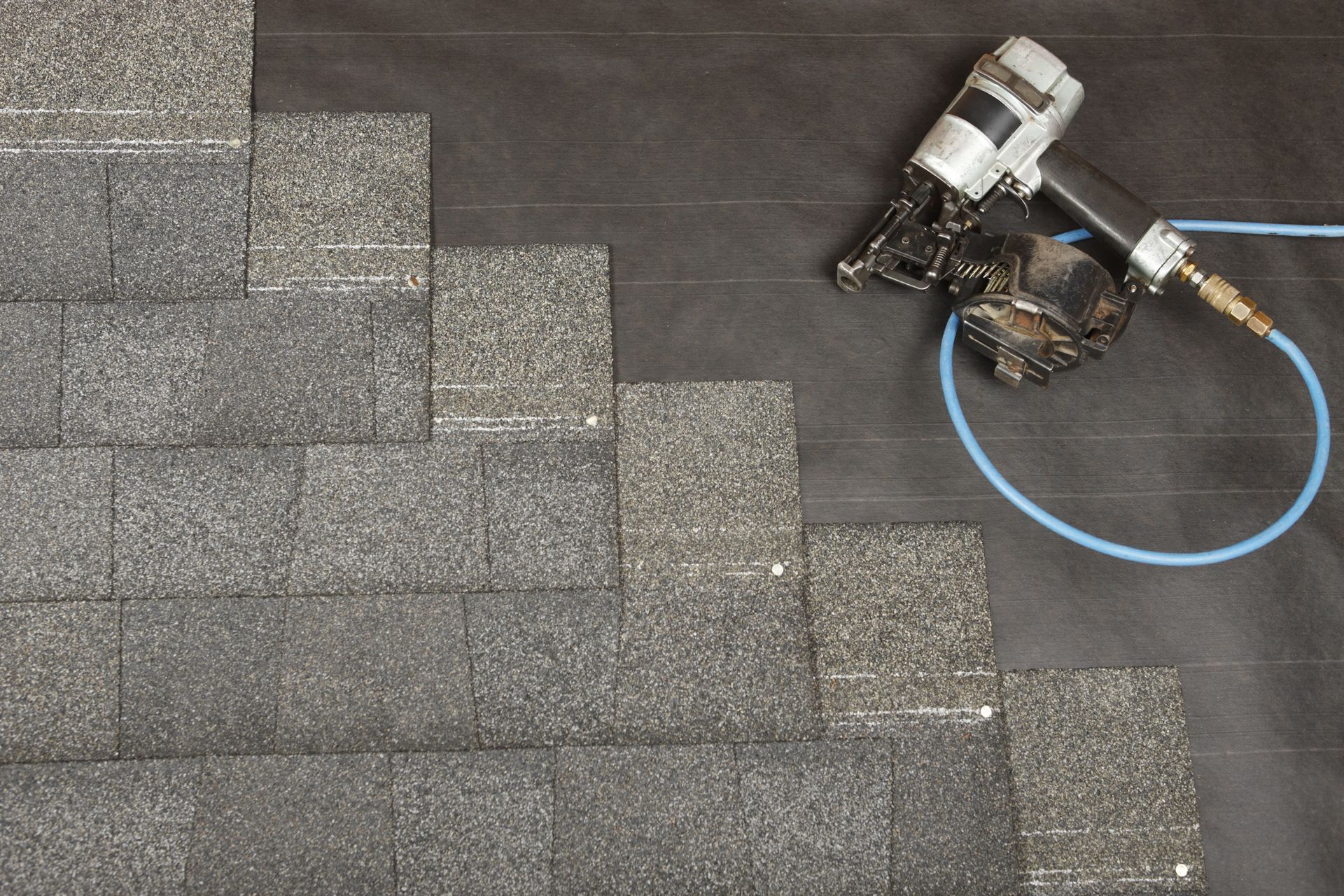
For Bothell, clean roof runoff, valleys, gutters, downspouts, and connections to private drainage deserve a close look. Make sure valleys, drip edges, and gutter transitions move water away without creating backup points.
The secondary water-shedding layer should match the roof system. Valleys, eaves, transitions, and other high-risk locations may need added protection.
Removing the old roof exposes the sheathing. Ask how soft, damaged, delaminated, or otherwise unsuitable sections will be identified, documented, and priced.
Chimneys, vents, skylights, and wall intersections interrupt the drainage plane. Each needs flashing that integrates with the new roof rather than simply being covered around.
Ventilation works as a path. The attic layout and roof design determine whether existing intake and exhaust are adequate or need adjustment during replacement.
Understand the job from inspection through cleanup
Roof work can be busy around the house. A written plan for access, property protection, weather, and unexpected deck findings helps keep the project understandable.
Review recurring symptoms, prior fixes, visible deterioration, and the homeowner’s priorities so the replacement decision is based on the whole roof.
Choose the system and document tear-off, accessories, flashing, ventilation, deck allowances, cleanup, exclusions, and change approvals.
Set access and debris areas, protect landscaping, watch the weather window, then address hidden conditions as the old roof comes off.
Inspect the completed work, review cleanup, gather product and coverage documents, and confirm who to contact if questions come up later.
Protect the site before materials come off the roof. Move vehicles as directed, secure pets, protect fragile items, and confirm where materials, trailers, and debris will be located.
Read the details behind the total
A roof estimate reflects the surface area and the difficulty of doing the work safely and correctly. Pitch, roof levels, valleys, access, material, and existing conditions all matter.
Use the scope to explain the price. Look for differences in tear-off, protection layers, flashing, ventilation, debris handling, accessories, and how concealed deck work is billed.
Request a Bothell Roof Estimate
GAF Master Elite®️
certified contractor
GAF’s residential contractor directory lists Axis as a Master Elite contractor and shows its President’s Club distinction.
View Axis’s GAF credentialsBring the questions that affect the final scope
Axis Roof & Gutter provides roof replacement, repair, gutter, and exterior services. That service mix can help homeowners address roof-edge drainage and exterior transitions within one coordinated plan.
A useful estimate is specific enough to compare. Look for product names, removal details, flashing and ventilation scope, deck repair terms, cleanup responsibilities, and change-order steps.
Axis carries GAF Master Elite certification and a President’s Club distinction. For qualifying GAF systems, ask the team to explain any manufacturer-backed options and the exact terms that apply.
View the Axis roofing galleryRoof details should respond to the property
Bothell’s tree cover and stormwater focus make roof drainage especially practical to discuss. A replacement scope should consider where water collects, how leaves affect roof edges, and whether the existing assembly is drying and ventilating as intended.
Bothell’s tree cover makes leaf and needle buildup a practical roof concern. Review valleys, roof edges, gutters, and downspouts so runoff has a clear path during heavy rain.
Tree shade can keep surfaces damp after storms. Ventilation, moss-prone areas, and sections that collect organic debris should be part of the replacement conversation.
Roof runoff ultimately has to move through the property’s drainage path. Confirm downspout connections, staging, landscaping protection, and access on sloped or constrained lots.
Roof replacement questions worth answering early
If you are considering replacement in Bothell, these questions can help you understand condition, scope, materials, logistics, and what may change after tear-off.
Talk with Axis: 360-653-7663Yes, when the defect is limited and the surrounding roof remains sound. Replacement is more likely when damage, aging, or moisture problems extend into several areas.
Roof geometry, access, tear-off, product system, flashing, ventilation, accessories, disposal, and deck repairs all influence price. The written scopes may not include the same work.
Crews need to coordinate tear-off with weather and protect any exposed areas. Ask how the contractor stages the work and communicates changes when rain moves in.
Clear the driveway or access areas as directed, protect breakable items, keep pets and children away from the work zone, and ask where the crew will stage debris and materials.
The deck and old details need to be sound enough to support the new system. Tear-off allows damaged sheathing and concealed conditions to be found and corrected before they are covered again.
Only if their condition or the roof-edge scope calls for it. Serviceable gutters can sometimes remain, but the proposal should explain how they will be protected and tied into the new edge details.
Ask for a clear method in the contract. The crew should document the affected area, explain the additional work, and get approval using the agreed pricing method before proceeding.
Review who provides each type of coverage, what products and installation qualify, how registration works, exclusions, transfer rules, and what actions could affect eligibility.
Call 360-653-7663 or request a free estimate online. Share leak locations, repair history, drainage concerns, and whether you want to compare shingles with metal roofing.
Turn the inspection into a practical plan
Begin with the current roof, not a generic package. Review its condition, problem areas, material choices, and the complete scope needed for your Bothell home.


