Water appears near an exterior wall
Staining at the edge of a room can come from a roof-to-wall transition, flashing, or another nearby connection. The visible mark alone does not prove which component needs repair.

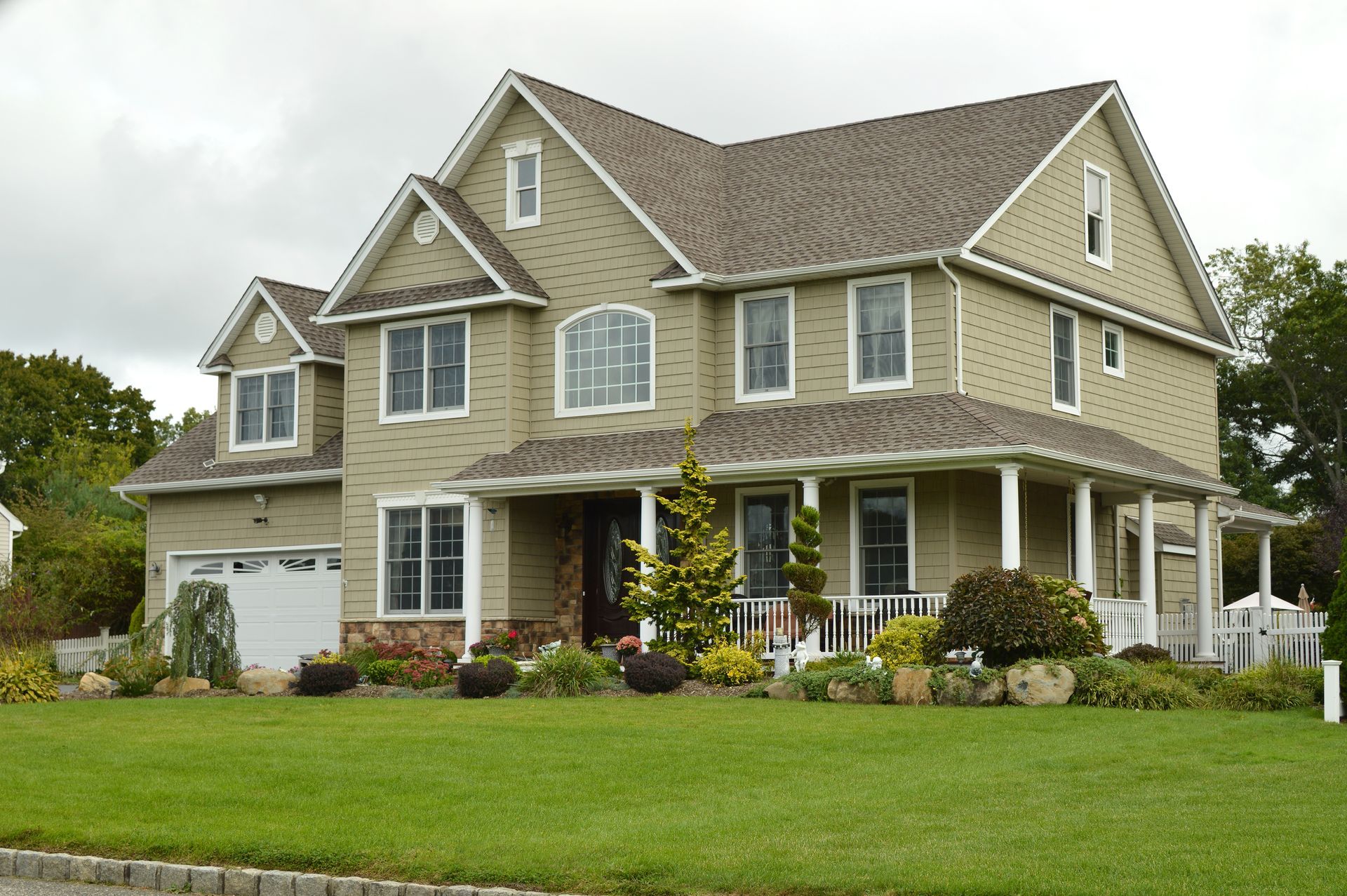
Figure out the cause before choosing the cure
Loose roofing after wind, a damp ceiling, or water spilling where it should not can all feel urgent. The right first move is to identify what failed and how much of the roof is actually involved.
Axis can discuss roof repairs, replacement planning, asphalt shingles, metal roofing, and gutter issues for residential properties.
Start with the condition in front of you
A roof can have one weak connection while the rest remains sound, or it can show wear across several sections at once. That difference is what should drive the conversation about repair versus replacement.
Axis Roof and Gutter handles residential roof repair, replacement, gutters, and exterior work. Explain whether the problem is visible indoors, at an eave, around a vent, or across the roof surface. Small details like timing and previous patches can change where the inspection begins.
Covington maintains a municipal stormwater program, so managing rainwater is part of the broader local landscape. At the house, roof drainage starts higher up: valleys, flashings, eaves, gutters, and downspouts all need to move water without forcing it into vulnerable joints.

Small changes can signal a bigger issue
Some concerns are easy to spot from the ground or inside the house. Others become clear only after a roofer looks at the surrounding materials and the way different roof parts connect.
Staining at the edge of a room can come from a roof-to-wall transition, flashing, or another nearby connection. The visible mark alone does not prove which component needs repair.
Lifted, cracked, missing, or heavily worn shingles can leave the roof more exposed. A roofer should check whether the damage is isolated or whether the same condition is showing up across a larger slope.
Penetrations interrupt the roof covering and depend on properly integrated flashing. If moisture appears nearby, the inspection should include both the opening and the roofing around it.
Repeat repairs deserve a fresh look at the original source and the condition around it. Another layer of sealant or patch material is not a substitute for understanding why the issue returned.
Share the repair history if you have it. Even a rough timeline can help. Mention old invoices, patched areas, roof additions, or rooms where stains have appeared more than once.
A repair and a replacement solve different problems
The best scope is the one that addresses the actual failure without leaving obvious unresolved wear. That means looking at the trouble spot, nearby materials, repair history, and the rest of the roof together.
| Condition to review | Why repair could be reasonable | Why replacement could be reasonable |
|---|---|---|
| Number of problem areas | One leak path or damaged detail can be isolated and corrected without opening large areas of roofing. | Problems are showing up in several places or across sections that are aging at the same rate. |
| Ability to integrate new materials | Existing roofing around the work area can accept a repair without breaking apart or creating a poor transition. | The surrounding roof is too deteriorated to make a limited repair dependable or practical. |
| What earlier repairs tell you | A previous fix missed a specific connection that can now be addressed directly. | Repeated fixes across different spots suggest the roof may need a broader solution. |
| Risk left after the work | The proposed repair addresses the known issue while the remaining roof is still in workable condition. | A repair would leave extensive wear, fragile materials, or multiple active concerns in place. |
Material choice is only one part of the roof
Axis installs both asphalt shingles and metal roofing. Instead of choosing by appearance alone, compare how each proposed system handles your roof shape, edges, penetrations, ventilation, and long-term maintenance expectations.
A shingle proposal should name the actual product and the components that support it. Starter materials, ridge pieces, underlayment, ventilation, and flashing can matter as much as the color selected for the main field.
Pay attention to the transitions: The field shingles may look simple, but valleys, walls, vents, and edges are where the installation has to change direction. Those details should be part of the written scope.
Metal roofing uses different panel shapes, fastening methods, seams, and trim details. Ask how the proposed system will be handled at roof openings and changes in slope, especially on more complex rooflines.
Why fastening matters: Panels move as temperatures change. The attachment method should allow the selected metal system to perform as designed without treating every roof or panel profile the same way.
Do you have a porch roof or attached addition? Lower-slope sections sometimes call for different roofing details than the main roof. Ask how each section will be handled and how the transition between them will shed water.
The roof works as a group of connected parts
A surface problem can be influenced by what sits underneath or beside it. Depending on the issue, the recommended scope may need to account for decking, underlayment, flashing, ventilation, and water movement at roof edges.
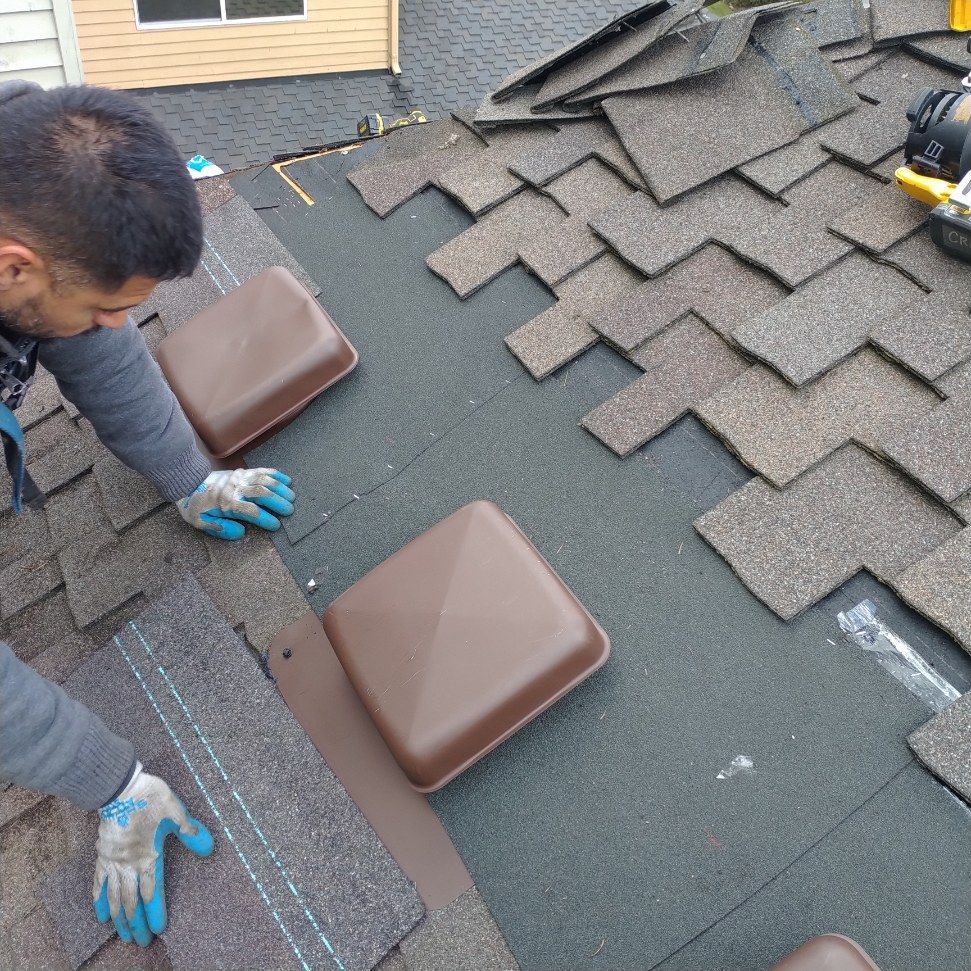
Decking can look fine from inside the attic yet reveal damage after tear-off. Ask how unexpected sheathing work will be documented and approved before extra work proceeds.
Underlayment and any added leak-protection materials should be identified in the proposal. Their role and specification can differ between shingle and metal systems.
Flashing details at vents, chimneys, skylights, and sidewalls need to work with the surrounding roofing. Clarify whether those components are being renewed or left in place.
Ventilation should be reviewed as a system, including intake and exhaust. Adding one vent without considering the rest of the attic layout may not address the actual concern.
Valleys and eaves concentrate water. Check whether gutters, downspouts, or debris are affecting the area before assuming the roof covering itself is the only source of trouble.
Know the decision points before the crew arrives
The amount of work may change from one project to another, but the conversation should still cover the same basics: what was found, what will be done, what is excluded, and how surprises will be handled.
Explain the rooms, slopes, roof edges, or weather conditions connected to the concern. Mention prior repairs so the assessment does not start without context.
Have the contractor explain the repair or replacement in plain language, including materials, adjoining details, and any conditions that could change the scope.
Confirm where deliveries can go, which driveway areas need to stay open, how landscaping will be protected, and what noise or access changes to expect.
Review the completed scope, cleanup, and project documents. Keep the information that applies to product coverage and contractor workmanship for future reference.
Think about pets, parking, and outdoor items: Roof work can be noisy and may temporarily change how you use the driveway or yard. Moving fragile items and planning access ahead of time makes the workday easier to manage.
Cost begins with scope
The price of a roofing project depends on much more than the number of shingles or panels. Roof height, slope, access, removal, flashing, damaged decking, and the amount of detail work can all change what the job requires.
A lower total is not automatically a better estimate if important work is missing. Compare the written tasks, material specifications, cleanup, and process for concealed damage before deciding which proposal is more complete.
Get a Roofing Estimate from Axis
GAF Master Elite®️
certified roofing company
GAF lists Axis Roof and Gutter as a Master Elite contractor with the President's Club distinction.
Review Axis on the GAF contractor directoryOne contractor for connected exterior concerns
Water problems often happen where one exterior component meets another. Because Axis works on residential roofing, gutters, and exterior services, homeowners can bring those connected concerns into the same estimate conversation.
Ask the estimator to tie every major recommendation to a finding. You should understand which existing areas are staying, which details are being changed, and why the proposed approach is appropriate for the condition observed.
Manufacturer credentials and warranty language should be read carefully. Ask which GAF system is being proposed, what registration or eligibility conditions apply, and what separate workmanship terms Axis provides for the project.
View completed-work photos in the Axis galleryWet-weather details around a Covington home
Covington operates a municipal stormwater program, and rainwater from homes ultimately becomes part of that larger drainage picture. On the property itself, the first step is making sure runoff can move through valleys, roof edges, gutters, and downspouts without backing up at vulnerable connections.
Leaves and small branches can collect in valleys and gutters. If water spills over or ponds near an edge, clear drainage issues should be separated from defects in the roofing materials.
Garages, additions, porches, and remodels can create areas where roof sections meet. Those transitions may deserve extra attention during an inspection.
Talk about driveway use, fencing, landscaping, and where debris can be collected. Site planning should fit the specific property instead of assuming every house offers the same access.
Questions that help you compare roofers
These answers cover common questions homeowners ask when they are still sorting out the size, cause, or timing of a roofing project.
Talk with Axis: 360-653-7663Yes. Leaks and flashing problems do not always produce an obvious missing shingle. If you see stains, dampness, unusual gutter overflow, or a recurring issue after rain, those symptoms can justify a closer look at the related roof area.
Sometimes. A focused repair is more practical when the problem is limited and the surrounding roofing can support a durable tie-in. The assessment should explain why the neighboring materials are suitable for that approach.
Look for the roofing material, supporting layers, flashing work, tear-off and disposal, ventilation or accessories included, cleanup, and the process for hidden damage. Also review any exclusions so they do not become surprises later.
Flashing protects changes in direction and roof openings where water can find a path behind the surface material. A shingle can be in good condition while a nearby flashing detail is contributing to the leak.
No. Axis provides gutter services, but gutter replacement should be based on the condition and project scope. Ask whether existing gutters can remain, need adjustment, or require separate work.
Age is useful context, but condition is more important than a calendar number by itself. Material wear, leak history, repairability, and how many areas are failing should guide the recommendation.
No. MyPrice is an online roof quote tool, not a leak-diagnosis service. It can help with replacement pricing research, while a specific leak still needs a conversation about the symptoms and affected area.
No. Coverage depends on the products, installation, eligibility, registration, and written terms that apply to the specific project. Ask for those details with the estimate rather than assuming one credential defines every warranty.
Call Axis at 360-653-7663 or send a free-estimate request. Share the Covington property address, the concern you are seeing, and any repair history. You can also use the contact form to request a free estimate.
Give the team a clear starting point
Contact Axis Roof and Gutter about your Covington roof, from an uncertain leak to replacement planning. A free estimate can help turn the symptoms into a defined scope of work.


