Water keeps returning after previous work
A leak that comes back can point to a missed source, but repeated leaks in different areas may show that several roof details are reaching the same stage of decline.

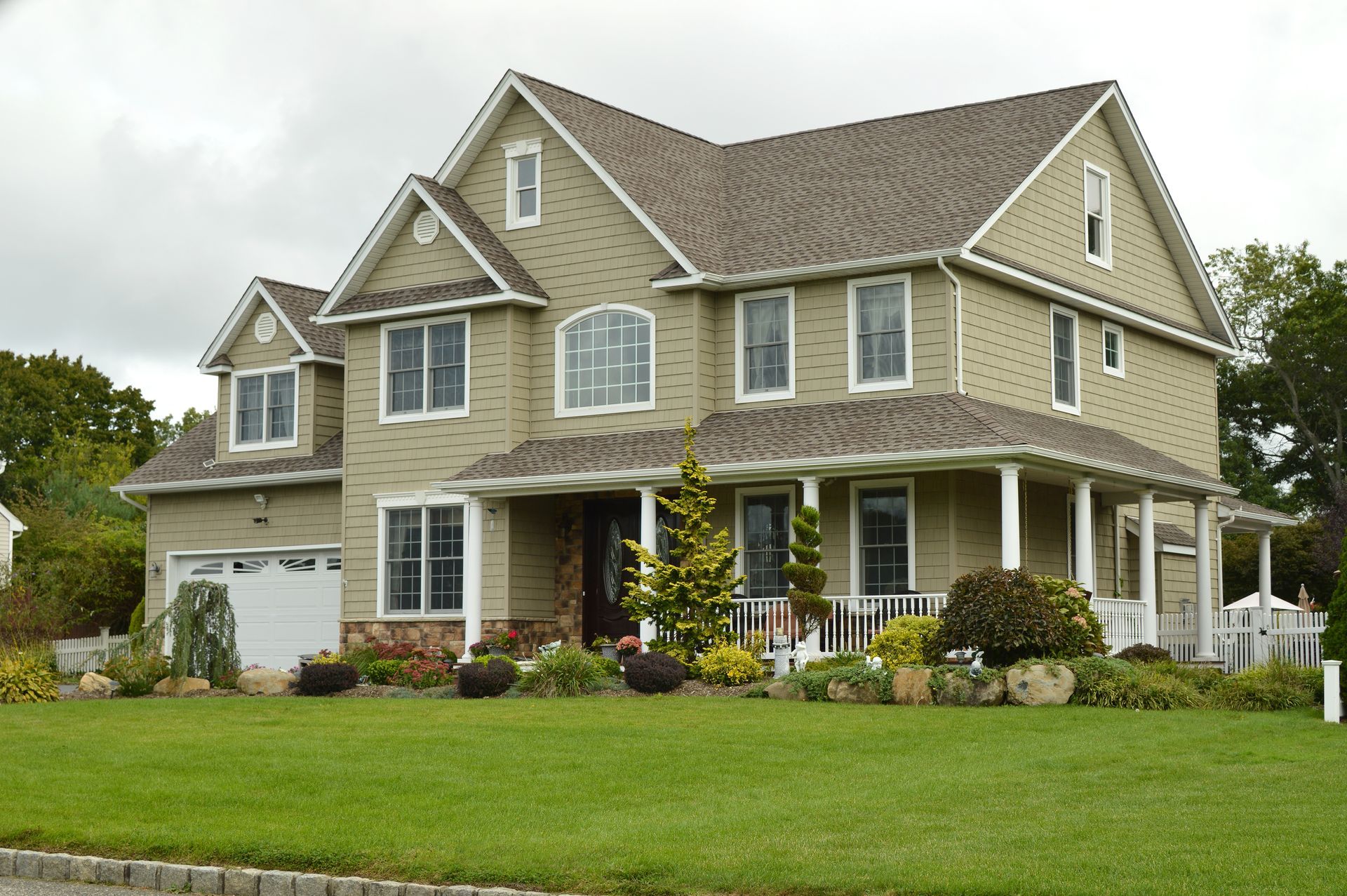
Axis Roof & Gutter | Covington roof replacement
Roof problems rarely stay neatly contained. A recurring leak, worn shingles, or moisture at one transition may be part of a larger issue. Covington homeowners should know what is still serviceable before planning a complete replacement.
Find the weak areas first, then build the replacement scope around them.
Replacement should solve more than the last leak
Roof replacement is worth considering when problems are no longer confined to one repair area. Repeated leaks, aging materials on several slopes, weak decking, or failing roof details can all change the value of another patch.
Axis Roof & Gutter can review the current roof and help identify what is repairable, what has reached the end of useful service, and what needs to be included in a complete replacement proposal.
Covington sees long periods of damp weather, so roof edges, valleys, penetrations, and gutter transitions deserve close attention. The new covering matters, but so does the path water takes from the upper roof to the ground.

Look for connected problems, not isolated clues
No single symptom automatically means the roof must be replaced. The case becomes stronger when several parts of the roof show wear or when repairs stop delivering reliable results.
A leak that comes back can point to a missed source, but repeated leaks in different areas may show that several roof details are reaching the same stage of decline.
Curling, cracking, lifted edges, and broad granule loss on more than one slope can make repairs harder because the surrounding shingles are less able to be disturbed and sealed.
Soft decking or visible moisture in separate areas can turn a surface repair into a larger project. The affected sheathing needs to be understood before new roofing goes on.
Repairing one defect is practical when the rest of the roof is sound. Frequent service on an aging roof can become a cycle that never addresses the broader condition.
Do not use roof age by itself. Two roofs of the same age can be in very different condition. Exposure, installation, ventilation, tree cover, maintenance, and repair history all influence how much useful life remains.
Make the choice based on what remains around the damage
A repair is most valuable when it corrects a defined problem and leaves solid roofing around it. If the repair area is surrounded by brittle or deteriorated materials, replacement may be a more dependable direction.
| Condition to compare | Repair may be practical when | Replacement may make more sense when |
|---|---|---|
| How widespread the issue is | Damage is limited to one location and the rest of the roof is holding up well. | Several slopes show wear, leaks, or storm-related problems. |
| What surrounds the damaged area | Nearby shingles and flashing can be worked on without falling apart. | Adjacent materials are brittle, loose, or deteriorated enough to compromise a repair. |
| Whether the leak source is clear | The entry point can be traced and corrected with a contained scope. | Water has multiple possible paths or has appeared in more than one part of the home. |
| What the repair leaves behind | The correction restores a sound roof area without ignoring known widespread wear. | The repair would only postpone replacement while other weak areas remain active. |
Material choice should fit the roof design
Roofing material should be selected alongside the slope, roof geometry, flashing details, ventilation, drainage, and appearance of the home. A strong system choice accounts for the parts you do not see from the street.
Architectural shingles are widely used on sloped residential roofs. They can provide a familiar look and flexible color choices, but the finished result depends on the starter, underlayment, ridge materials, flashing, and deck below them.
Think beyond the shingle: A premium surface does not correct poor airflow, damaged sheathing, or weak flashing. Those items belong in the replacement plan as well.
Metal roofing has different seam, edge, penetration, and transition requirements than shingles. The roof shape and chosen panel profile can affect how the system is fastened and flashed.
Allow for thermal movement: Metal panels change dimension with temperature, making compatible fasteners, flashings, and connection details important to the final installation.
Low-slope areas may need a separate roofing approach. A covered patio, porch, or addition can have a different pitch from the main house. The proposal should identify the correct assembly for that area and the transition into the primary roof.
A new surface is only one part of the job
Before choosing a proposal, look for details about the deck, underlayment, flashing, ventilation, valleys, and roof edge. Those components help the finished roof manage water and airflow over time.
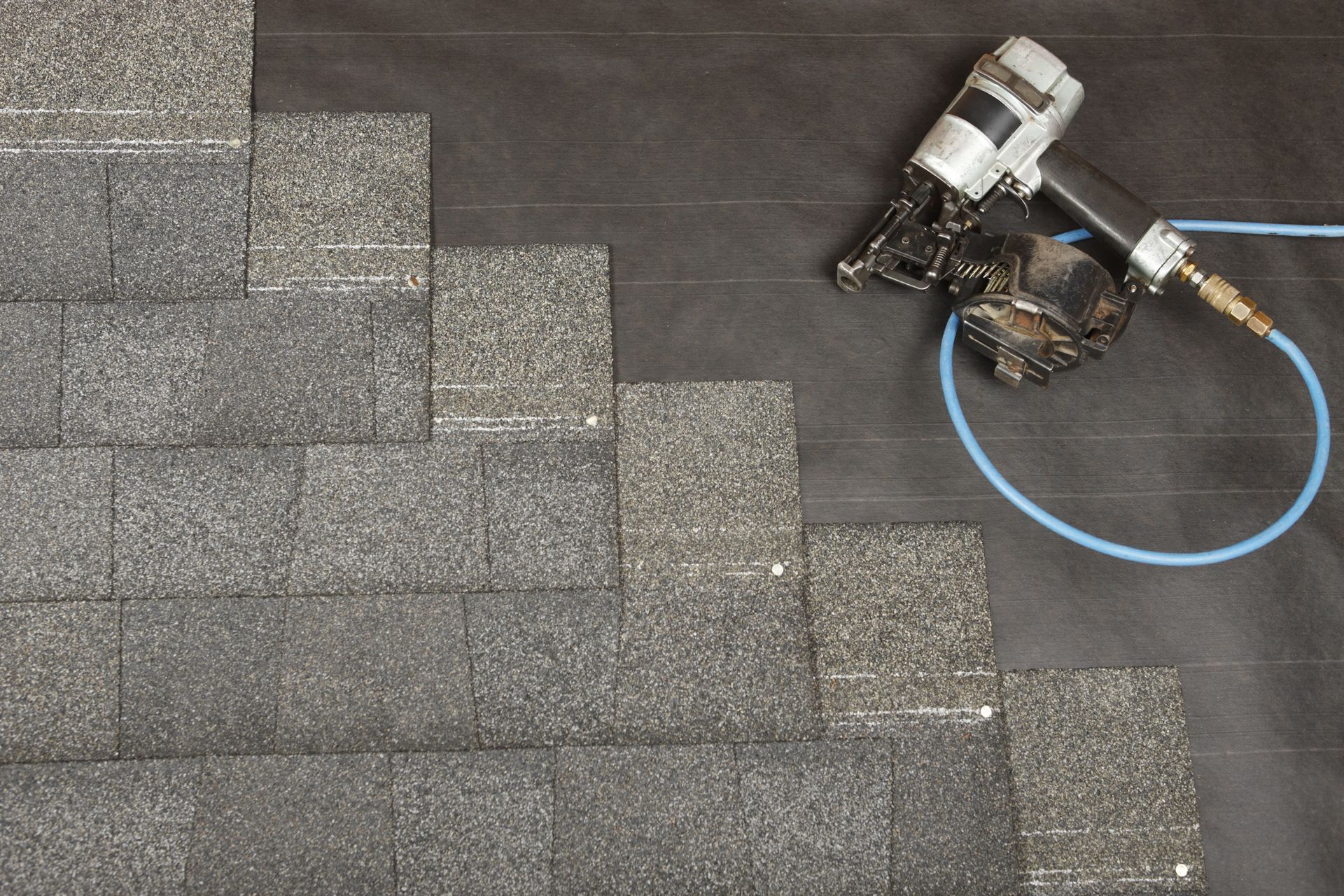
The deck can be checked most accurately after the old covering comes off. The scope should explain how unsuitable sections will be handled if they are found.
Underlayment adds a secondary water-shedding layer below the visible roof. Vulnerable locations may require different protection depending on the selected roofing system.
Penetrations and wall connections interrupt the roofing surface. Flashing should direct water back onto the roof covering without relying on surface sealant as the main defense.
Intake and exhaust need to work together. Existing vents may be reusable, or the roof design may call for changes during replacement.
The new roof should guide runoff through valleys, over drip edges, and into gutters without creating backup points or poorly connected transitions.
A defined sequence keeps decisions from getting lost
The work moves more smoothly when homeowners know what happens before removal, what can change after the deck is exposed, and how the property will be protected throughout installation.
Start with known leaks, past patches, visible material wear, and any concerns inside the attic or home. The inspection should separate localized defects from broad deterioration.
Choose the roofing system and list the included components. Define how additional deck work or other concealed conditions will be documented and approved.
Set expectations for driveway use, deliveries, landscaping protection, debris, and weather. The crew can then remove the old roof and install the new system to the agreed scope.
Review the finished roof, cleanup, paperwork, product information, and care recommendations. Make sure contact information for follow-up questions is easy to find.
Expect vibration and falling debris during tear-off. Move breakable items from shelves or walls if needed, keep people and pets away from work zones, and follow the crew guidance for parking and outdoor access.
Price is the result of the scope, not a flat rate
A roof estimate reflects the actual roof area and the work needed to replace it. Steepness, stories, access, roof transitions, material choice, removal, and concealed deck damage can all affect the final scope.
Do not compare estimates by the bottom line alone. Read what each proposal includes for tear-off, disposal, underlayment, flashing, ventilation, accessories, and any allowance or unit pricing for deck repairs.
Request a Covington Roof Replacement Estimate
GAF Master Elite(R)
certified contractor
Axis appears in GAF's residential contractor directory as a Master Elite contractor with a President's Club distinction.
View the Axis listing with GAFClarity matters before materials are ordered
Axis Roof & Gutter works on residential roof replacement and repair along with gutters and exterior services. That can be useful when roof problems overlap with water handling at edges or exterior transitions.
Before signing, make sure the proposal identifies removal, roofing products, accessories, flashing, ventilation, cleanup, and the process for any additional work discovered after tear-off.
Axis also holds GAF Master Elite certification and a President's Club distinction. Homeowners can ask which manufacturer-backed options may be available for qualifying GAF roof systems and review the applicable terms.
Browse the Axis roofing galleryCovington weather belongs in the roof conversation
Wet weather can expose small weaknesses around valleys, penetrations, and roof edges. Covington homes may also have tree cover and shaded slopes that stay damp longer, so drainage and drying conditions should be part of the replacement discussion.
Follow the path water takes from upper slopes into valleys and gutters. Concentrated runoff makes edge details and clean drainage especially important.
Leaves, needles, and limited sun can keep sections of roof damp. Check how debris collects and whether the ventilation plan supports normal drying.
Fences, landscaping, driveway use, detached structures, and multiple roof elevations can affect material placement and cleanup. Confirm those logistics before installation starts.
Questions Covington homeowners often bring to an estimate
These questions can help you understand the scope, compare proposals, and know what to expect before a Covington roof replacement begins.
Talk with Axis: 360-653-7663No. Some recurring leaks can still be traced to a specific detail. Replacement becomes more reasonable when leaks appear in different places or the surrounding roof is too worn for a dependable repair.
Contractors may include different products and details. Compare roof area, tear-off, underlayment, flashing, ventilation, deck repair terms, material selection, disposal, and site logistics line by line.
Yes. Tear-off and installation need workable weather windows. The project schedule can also change with roof complexity, material availability, crew sequencing, and anything uncovered after removal.
Keep work zones open and follow guidance about vehicle parking. Secure pets, move outdoor items when requested, and expect noise and vibration while the old roof is removed.
Removing the existing roof exposes the deck and old flashing details so their condition can be checked directly. It also gives the new system a defined base for installation.
They may remain if they are in serviceable condition and can be worked around safely. Any planned gutter removal, adjustment, repair, or replacement should be identified in the proposal.
Ask for the process before work begins. The contractor should explain how damaged sheathing will be shown to you, how added work is priced, and how approval occurs.
No. They address different responsibilities. Review what each covers, how registration works, exclusions, transfer provisions, and the requirements for the selected roof system.
Call 360-653-7663 or request a free estimate online. Share any known leak locations, prior repairs, and whether you are considering shingles, metal, or both so the team has useful context before the estimate.
Turn the roof condition into a clear plan
Start with what the roof is doing now, which areas have been repaired before, and what you want from the next system. A clear scope makes it easier to compare the right options.


