Moisture near a wall or chimney
Staining along an exterior wall or chimney can point to step flashing, counterflashing, or another transition rather than the open roof surface. The surrounding shingles or panels should be checked at the same time.

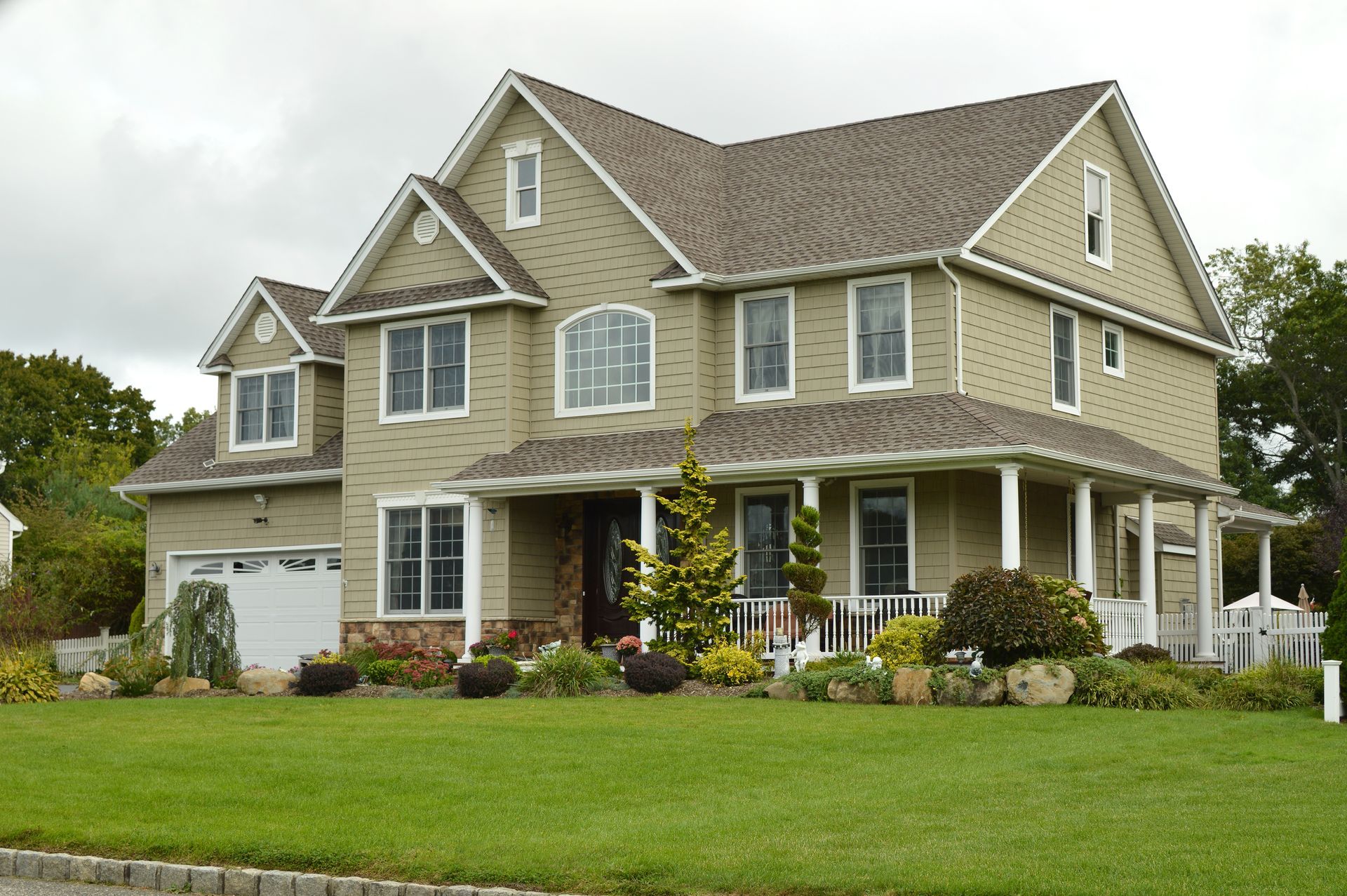
Axis Roof & Gutter · Edmonds roof repair
Leaks near an edge, chimney, skylight, or wall often depend on small roofing details working together. A useful roof repair starts by checking how water reaches the area and which component stopped shedding it correctly.
Leak tracing around roof details. Shingle and metal repair options. Straightforward recommendations for homeowners.
Roof details matter as much as the roof surface.
A lasting repair comes from correcting the point where water gets past the roof system, then rebuilding the surrounding area so it sheds water normally again.
Axis Roof & Gutter evaluates localized leaks, damaged shingles, metal roof concerns, flashing problems, and roof-edge issues. The goal is to determine what actually failed before deciding how much material needs to be disturbed.
During windy, wet conditions, sidewalls, roof edges, valleys, chimneys, vents, and skylights can be tested differently than the open field of the roof. An Edmonds repair scope should explain the detail being corrected, how it connects to nearby roofing, and what the crew will do if hidden moisture is uncovered.
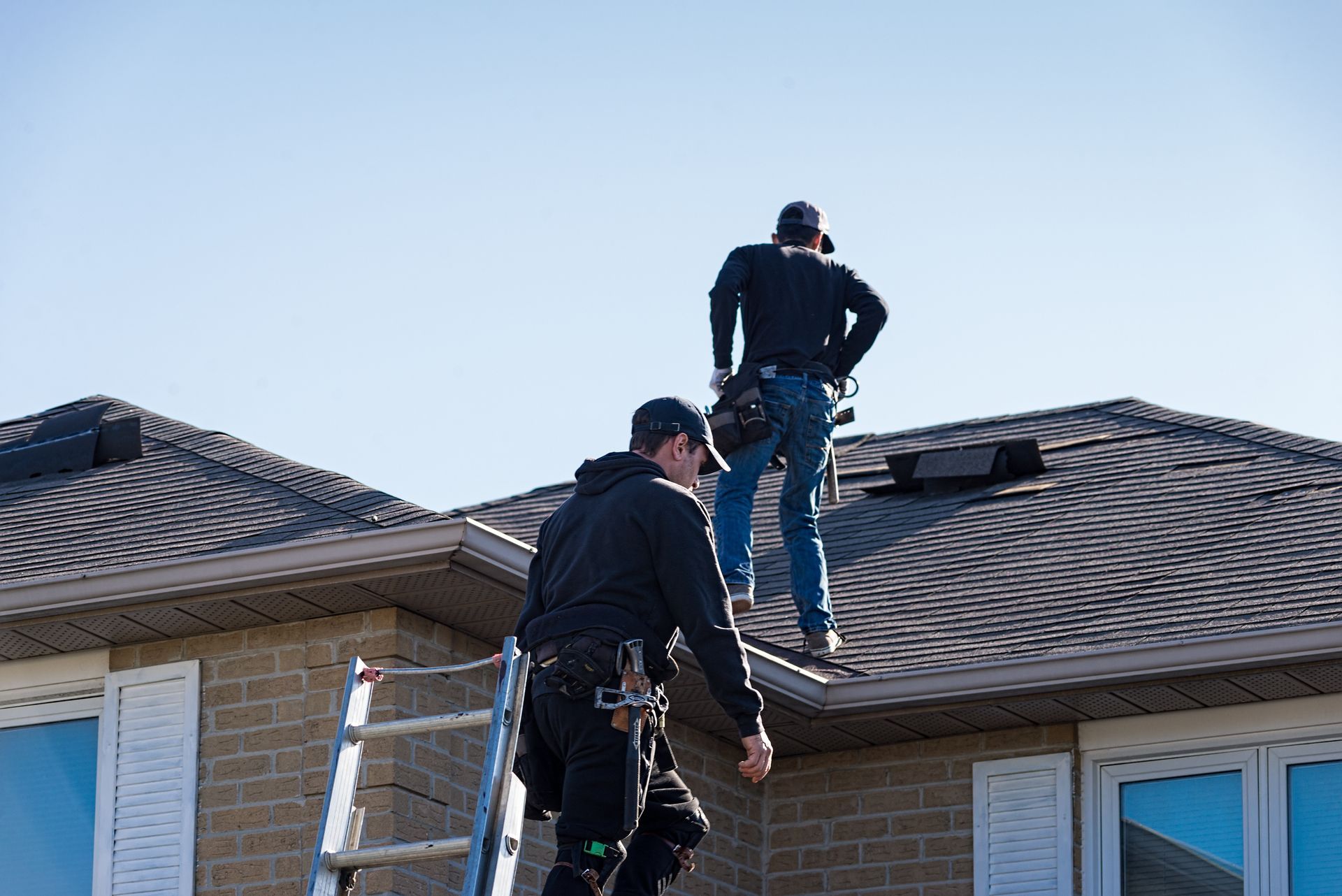
Pay attention to leaks that show up around roof details
The location and timing of a leak can tell you a lot. Moisture near a chimney, sidewall, skylight, vent, valley, or eave deserves a closer look at the transition itself.
Staining along an exterior wall or chimney can point to step flashing, counterflashing, or another transition rather than the open roof surface. The surrounding shingles or panels should be checked at the same time.
Shingles or panels can be more vulnerable where wind and runoff meet the roof perimeter. Local repair may be possible when the material beside the damaged section remains stable.
Penetrations depend on layered flashing and seals that direct water around the opening. Visible gaps, movement, or deteriorated components can create a path beneath the roof covering.
Water volume increases where roof sections drain together. Debris or a weak edge detail can slow runoff and expose small openings that stay dry under lighter conditions.
The leak may be at a transition, not in the middle of the roof. Look at how the roof meets walls, penetrations, valleys, and edges. Those connections often explain why moisture appears even when the main roof covering looks intact.
Repair the failed detail only when the surrounding roof supports it
A focused repair can work when the failed area is clearly defined and the nearby material can be reopened and reassembled without causing new damage. The surrounding roof condition is part of the decision.
| Decision point | A smaller repair may be appropriate | Consider a wider roofing scope when |
|---|---|---|
| Failure point | The leak or damage is tied to one roof transition, penetration, or compact section. | The problem crosses multiple details, slopes, or separate areas of the roof. |
| Material around the repair | Nearby shingles, panels, and flashing can be removed and restored without excessive breakage. | The surrounding roof is brittle, loose, badly weathered, or difficult to integrate with new work. |
| History of leaking | The moisture pattern is consistent and points to one source that has not been repeatedly patched. | Leaks have appeared in several locations or returned after multiple repair attempts. |
| Result after the work | Correcting the failed detail would leave the adjacent roof system sound and functional. | The repair would leave other obvious weak details or broad deterioration unresolved. |
Match the repair to the roof assembly
Roof materials handle attachment, movement, and flashing differently. The repair should fit the existing system and restore the way water is meant to move over and around the roof details.
Shingle repair may require removing material around a wall, vent, skylight, or damaged section so the underlying detail can be corrected. Nearby shingles must have enough flexibility to be lifted and tied back into the repair.
Color can vary: A new shingle may not match the weathered roof exactly. The more important question is whether the repaired courses overlap and seal correctly.
Metal repairs can involve panel edges, fasteners, seams, flashings, or penetrations. The right detail depends on the metal profile, attachment system, existing finish, and expected panel movement.
Find the moving part first: If thermal movement or a loose attachment is causing the opening, surface sealant by itself may not provide a durable correction.
Transitions between roof pitches need special attention. A low-slope section, porch roof, or addition can leak where it joins the steeper main roof. That intersection should be included in the diagnosis before the repair is priced.
Water usually finds the weakest connection
A leak can involve the roof covering, flashing, deck, and drainage path at the same time. The scope should explain which pieces are being opened and how the finished repair restores the original water-shedding sequence.
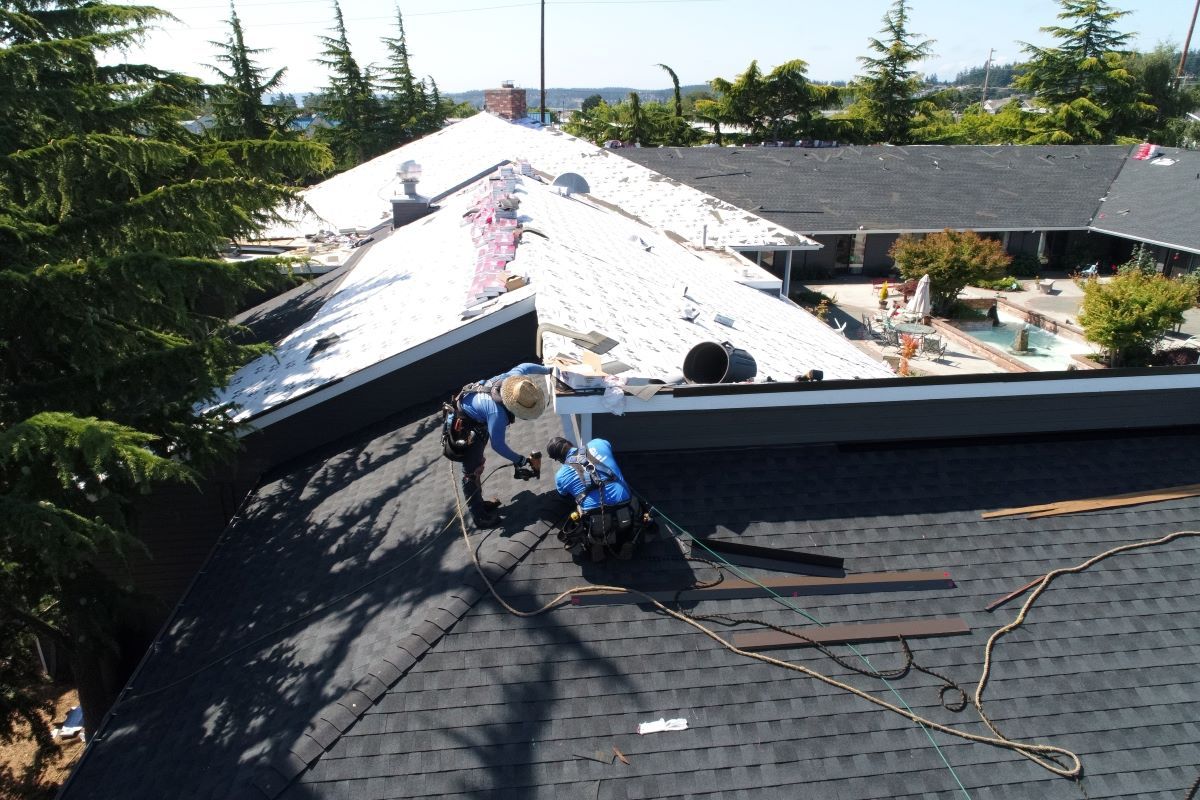
Shingles or panels around the failed detail need to be checked for damage and serviceability. A repair depends on having enough stable roofing to create a strong perimeter around the work.
Water that has moved beneath the covering may affect sheathing or underlayment. Hidden conditions should be documented if they are discovered after the roof is opened.
These details rely on overlapping metal and roofing components. A proper repair restores those layers so water is directed onto the roof rather than behind it.
Condensation may create staining that does not match an exterior water-entry pattern. When needed, attic ventilation and moisture conditions can help separate the two problems.
Runoff becomes concentrated at valleys and roof edges. Debris, damaged flashing, or a poor transition can keep water near a weak point and make the leak more noticeable during heavier rain.
A roof-detail repair should be planned before materials come off
From the first inspection to final cleanup, the process should make it clear what the crew is looking for, what will be opened, and how a change in scope will be communicated.
Show where staining or dampness appears and describe the weather conditions when it happens. The roof, attic, and visible transitions can then be compared for a likely source.
The estimate should identify the area, materials, flashing work, and any exclusions. It should also explain the approval process if concealed damage requires additional work.
Protect the property, remove only what is needed to access the failure, then rebuild the detail with materials that integrate into the existing roof.
Review the repaired area, cleanup, and any documentation from the work. Ask what to watch for during future rain and how to report any recurring moisture.
Make the leak location easy to find: Before the crew arrives, mark or point out interior stains, move vehicles away from the work zone, and keep pets and children clear of ladders and debris.
Detailed roof transitions can change the labor involved
Repair cost depends on how difficult the failed detail is to access and rebuild. Work around chimneys, skylights, sidewalls, valleys, or roof edges can involve more removal and integration than an open-field shingle repair.
A useful estimate tells you what is being corrected and which surrounding materials are included. Compare scopes carefully so a lower price is not simply leaving out flashing or concealed-damage work.
Request My Edmonds Roof Repair Estimate
GAF Master Elite®️
roofing contractor
Axis is listed by GAF as a Master Elite residential contractor, with a President’s Club distinction shown in the contractor directory.
Review Axis’s GAF credentialsUse the estimate to understand the roof detail that failed
Axis Roof & Gutter provides residential roof repair, roof replacement, gutter services, and exterior work. That range can be useful when a leak at an eave or wall involves more than one exterior component.
Ask the estimator to show where the failure is believed to be and how far the repair needs to extend. The written scope should also explain what happens if the crew finds damage below the surface.
GAF certification can be relevant to qualifying roofing systems and available product options. For a repair, review the exact written terms that apply to the materials and workmanship in your proposal.
See completed work in the Axis galleryWind, runoff, and roof edges can change where leaks appear
A leak near the perimeter of a home may involve more than the shingle or panel directly above it. Roof-to-wall joints, penetrations, valleys, eaves, and gutter flow all deserve attention when diagnosing the source.
Sidewalls, chimneys, and other vertical intersections can receive water from different angles. Flashing should be checked for gaps, movement, and correct layering where moisture appears nearby.
Water collects quickly in valleys and leaves the roof at the eaves. Debris or damaged edge details can slow drainage and keep moisture against vulnerable materials.
Roof height, landscaping, fences, driveways, and neighboring structures can affect ladder placement and debris protection. Access planning is part of a clean repair setup.
Roof-detail questions homeowners often ask
When a leak involves flashing or a roof transition, homeowners usually want to know how much roofing has to come off and whether a focused repair can still be dependable.
Ask Axis: 360-653-7663Yes. Flashing directs water around walls, chimneys, vents, skylights, and other openings. A gap or failed overlap can let water below the roof covering while nearby shingles still appear intact.
Cost depends on access, roof material, repair size, flashing complexity, and any concealed deck or underlayment damage. Detailed transition work can require more labor than replacing material in an open roof area.
It may be possible when the damage is localized and the surrounding material is still in good condition. The eave or rake detail, underlayment, flashing, and gutter connection should be checked before the final scope is set.
Water can enter some transitions only when rain is pushed at an angle or runoff is concentrated in a certain direction. That weather pattern can provide a useful clue when tracing sidewall, flashing, or roof-edge leaks.
No. The leak may involve the flashing, nearby roofing, or the unit itself. The surrounding roof assembly should be inspected before deciding which component needs correction.
Yes, when the moisture is near the roof edge. Overflow, debris, or trouble at the gutter-to-roof connection can affect how water behaves around the eave, even though the gutter is not the cause of every leak.
Affected sheathing may need to be repaired or replaced before flashing and roofing can be restored. Ask how the condition will be documented and how any added work will be approved.
The proposal should identify any written coverage for the contractor’s repair work and the new products installed. Review exclusions and responsibilities because repair terms can differ from full roof system warranties.
Call 360-653-7663 or request a free estimate online. Explain where the moisture appears, what weather seems to trigger it, and whether the area has been repaired before. That history can help narrow the first inspection.
Start with the detail that is letting water through
Describe where the moisture shows up and what roof detail sits above or nearby. Axis can help determine whether a focused repair can restore that area without unnecessary work elsewhere on the roof.


