More than one roof area is showing trouble
Separate leaks, repeated patches, or deterioration on different roof planes can point to a larger aging pattern.

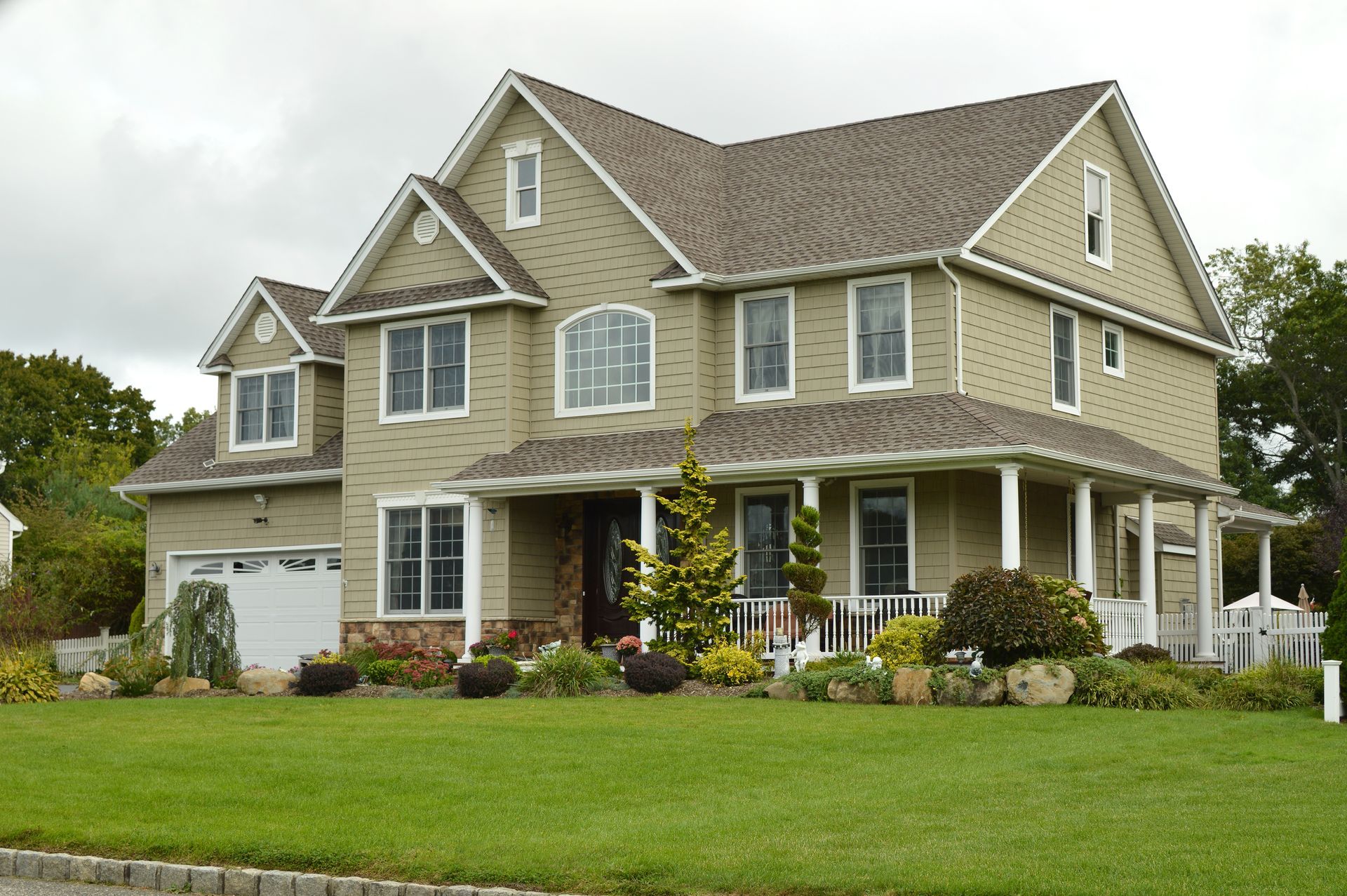
Planning a new roof in Edmonds
Edmonds roofs can face marine weather from Puget Sound, persistent cool-season moisture, and neighborhood lots with hills or limited access. A smart replacement starts by reading the condition of the whole roof and the details that manage water.
Understand the assembly first, then select the new system.
Understand the roof before choosing products
A roof may be ready for replacement when problems are showing up in different places and the surrounding materials are too worn to support long-term repairs.
Axis Roof & Gutter can help homeowners compare repairable defects with broader aging. The goal is to understand the roof first so the replacement proposal is based on actual conditions.
Edmonds replacement planning should account for Puget Sound shoreline exposure, hills, and established neighborhoods. Water-shedding details, deck condition, ventilation, and roof-edge drainage all influence the final scope.

Watch how several roof symptoms connect
The decision should come from the pattern across the roof, not the most noticeable symptom. Check how far deterioration extends and whether nearby components are still sound.
Separate leaks, repeated patches, or deterioration on different roof planes can point to a larger aging pattern.
Shingles that lift, split, lose granules, or break easily across the roof may not provide a stable base for another localized repair.
When water affects decking, transitions, or multiple penetrations, the replacement discussion needs to include the layers below the surface.
A repair history that keeps growing can be evidence that the remaining roof has too little serviceable material around each new defect.
Condition matters more than a birthday. Wind exposure, shade, ventilation, original installation, and maintenance history all influence how a roof ages.
Compare the life left in the whole roof
Ask what condition will remain after the repair is finished. If the rest of the roof is still serviceable, repair may be reasonable; if not, the same problem can reappear somewhere else.
| Question to ask | A focused repair may fit | Replacement may fit better |
|---|---|---|
| Location of the problem | One defect is clearly isolated and the nearby roof remains stable enough for a lasting repair. | Leaks, storm effects, or material wear are appearing in several roof areas. |
| Condition beside the defect | Adjacent roofing, flashing, and deck conditions are sound enough to tie in a focused correction. | Nearby materials are brittle, deteriorated, or too compromised to support dependable repair work. |
| Water-entry pattern | The source can be traced and corrected without opening a large portion of the roof. | Water has returned, moved, or appears to involve multiple roof components. |
| Longer-term result | The repair solves the known defect while leaving a roof with meaningful service life. | Another patch would leave widespread wear in place and postpone a larger project. |
Match the roof covering to the building
A roof covering has to work with the structure beneath it. Compare shingles and metal based on roof shape, installation details, visual goals, and the maintenance you are comfortable with.
Architectural shingles can suit many Edmonds homes where a dimensional roof profile and broad color choice are priorities. The finished field shingles are only one part of the job, so the estimate should also identify starter, ridge, underlayment, flashing, and ventilation components.
Do not overlook: A shingle roof still depends on a solid deck, carefully integrated flashing, and an airflow plan that works with the attic. Put those details in writing instead of treating them as automatic.
Metal roofing creates a different set of design decisions around long panels, seams, exposed or concealed fastening, coatings, and transitions. On an Edmonds home, the roof shape and every valley, wall, vent, and edge should be checked against the specific panel system.
Important metal detail: Thermal movement is part of metal-roof design. The fastening pattern, seam layout, trim, and flashings should all follow the requirements of the selected panel rather than a generic metal detail.
Low-slope tie-ins need their own detail plan. A porch roof, later addition, or shallow-slope section may need a different membrane or assembly than the main roof. The bid should identify both systems and show how the transition will be weathered.
A replacement succeeds at the details
The finished surface gets most of the attention, but hidden layers often determine how well the replacement performs. Ask how each part of the assembly is addressed.
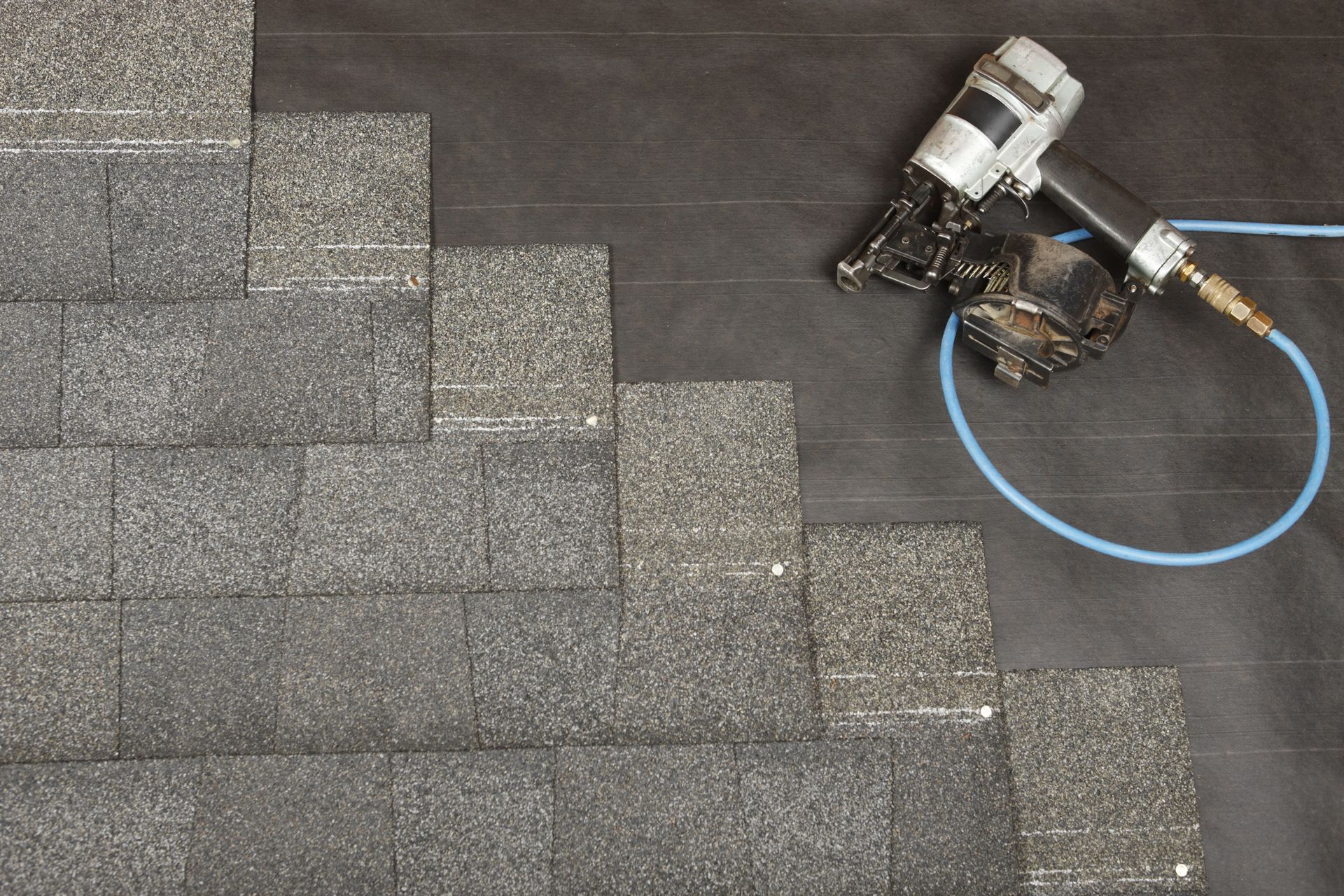
Every chimney, skylight, vent, and wall intersection breaks the roof’s drainage surface. Replacement is the time to rebuild those interfaces so the flashing is integrated with the new material and underlayment.
Tear-off gives the crew a direct view of the sheathing. Confirm how deteriorated or unsuitable deck areas will be marked, shown to the homeowner, and priced before they are replaced.
Attic airflow should be reviewed from intake through exhaust. Roof geometry, insulation, and the existing vent layout determine whether components can remain or should be rebalanced with the new roof.
Underlayment is the backup drainage layer beneath the finished roof. The selected system should spell out treatment at eaves, valleys, transitions, and other places where wind-driven or concentrated water can be harder on the assembly.
For Edmonds, water movement across slopes, roof edges, and gutter systems on hillside homes deserve a close look. Make sure valleys, drip edges, and gutter transitions move water away without creating backup points.
Set expectations before materials arrive
The job moves more smoothly when everyone knows the scope, staging plan, protection steps, and process for hidden conditions before tear-off begins.
Look at leak locations, repair history, surface wear, flashing, drainage, and attic or deck concerns before deciding on replacement.
Name the roof system, included accessories, deck-repair method, flashing work, ventilation approach, exclusions, and how additions will be priced.
Plan staging around the property, account for weather, remove the old covering, correct exposed problems, and install the new assembly.
Confirm the finished scope, cleanup, documents, warranty steps, and any maintenance or follow-up information the homeowner should keep.
Plan for staging, noise, and debris. Clear the areas the crew identifies, protect breakable items from vibration, keep pets away from exterior work zones, and confirm how materials and tear-off debris will move through the property.
Understand why two bids may differ
The house floor plan does not tell you the roof price by itself. Roof geometry, material choice, removal work, staging, penetrations, and concealed damage all influence the final scope.
Review bids component by component. The written scope should make clear what is included for removal, underlayment, flashing, airflow, disposal, and any damaged sheathing discovered later.
Request a Edmonds Roof Estimate
GAF Master Elite®️
certified contractor
GAF’s residential contractor directory lists Axis as a Master Elite contractor and shows its President’s Club distinction.
View Axis’s GAF credentialsUse the estimate to make decisions visible
Axis Roof & Gutter handles residential replacement as well as repairs, gutters, and exterior work, which can be useful when several parts of the building envelope meet at the same problem area.
Before work starts, make sure the written scope identifies removal, reusable components, selected products, flashing and ventilation work, cleanup, and the process for hidden damage.
Axis is listed as a GAF Master Elite contractor with a President’s Club distinction. If a GAF system is being considered, ask which enhanced manufacturer options apply and what conditions must be met.
See Axis Roofing Project PhotosThe site should shape the roof plan
Edmonds combines shoreline exposure, hills, and established housing. Roof replacement planning should pay close attention to water paths, wind-exposed edges, transitions, and safe access around the property.
On some Edmonds properties, open exposure toward Puget Sound can make roof edges and flashing details especially important. Review how the system is secured and how water is directed at transitions.
Hillside neighborhoods and mature trees can create uneven sun and drying conditions. Include valleys, shaded slopes, attic airflow, and debris-prone areas in the inspection.
Established homes may combine original roof sections with later additions. Confirm how each roof plane, transition, and staging area will be handled before installation begins.
What to ask before choosing a replacement scope
A few direct questions can make roof estimates easier to compare. These are common topics to discuss before approving replacement work in Edmonds.
Call Axis About an Edmonds Roof: 360-653-7663No. Some leaks are isolated and repairable. The decision changes when the roof around the leak is brittle, repeatedly patched, or showing other signs of broad deterioration.
They may include different waste factors, accessories, roof sections, removal work, flashing, ventilation, or deck allowances. Compare the full written scope rather than a single measurement.
Yes. Rain and wind can affect safe tear-off and installation. Ask how the crew evaluates the forecast, protects open areas, and handles schedule changes.
Keep vehicles clear of staging areas, move fragile outdoor items, secure interior objects that can vibrate, and keep people and pets out of work zones.
Once the old covering is removed, the crew can directly inspect the deck, old flashing interfaces, and concealed damage. The proposal should explain how new findings are documented and approved.
Not always. Gutters can remain if they are serviceable and compatible with the new roof-edge details. Any gutter work should be clearly identified in the scope.
Affected sections may need replacement before roofing can continue. Ask how the crew confirms the area, photographs or documents it, and prices the added material and labor.
Separate manufacturer product coverage from contractor workmanship coverage, then review the exact terms, qualifying products, exclusions, registration requirements, and transfer rules.
Call 360-653-7663 or request a free estimate online. Mention the symptoms you see, prior repairs, and the materials you want to compare.
Move forward with the roof facts in hand
A useful next step is a roof-specific review of existing conditions, material preferences, drainage details, and the work that should appear in the written scope.


