Leaks are appearing in separate locations
Water entry in more than one room or roof section can point to multiple weak details. A full inspection helps determine whether those failures are connected or independent.

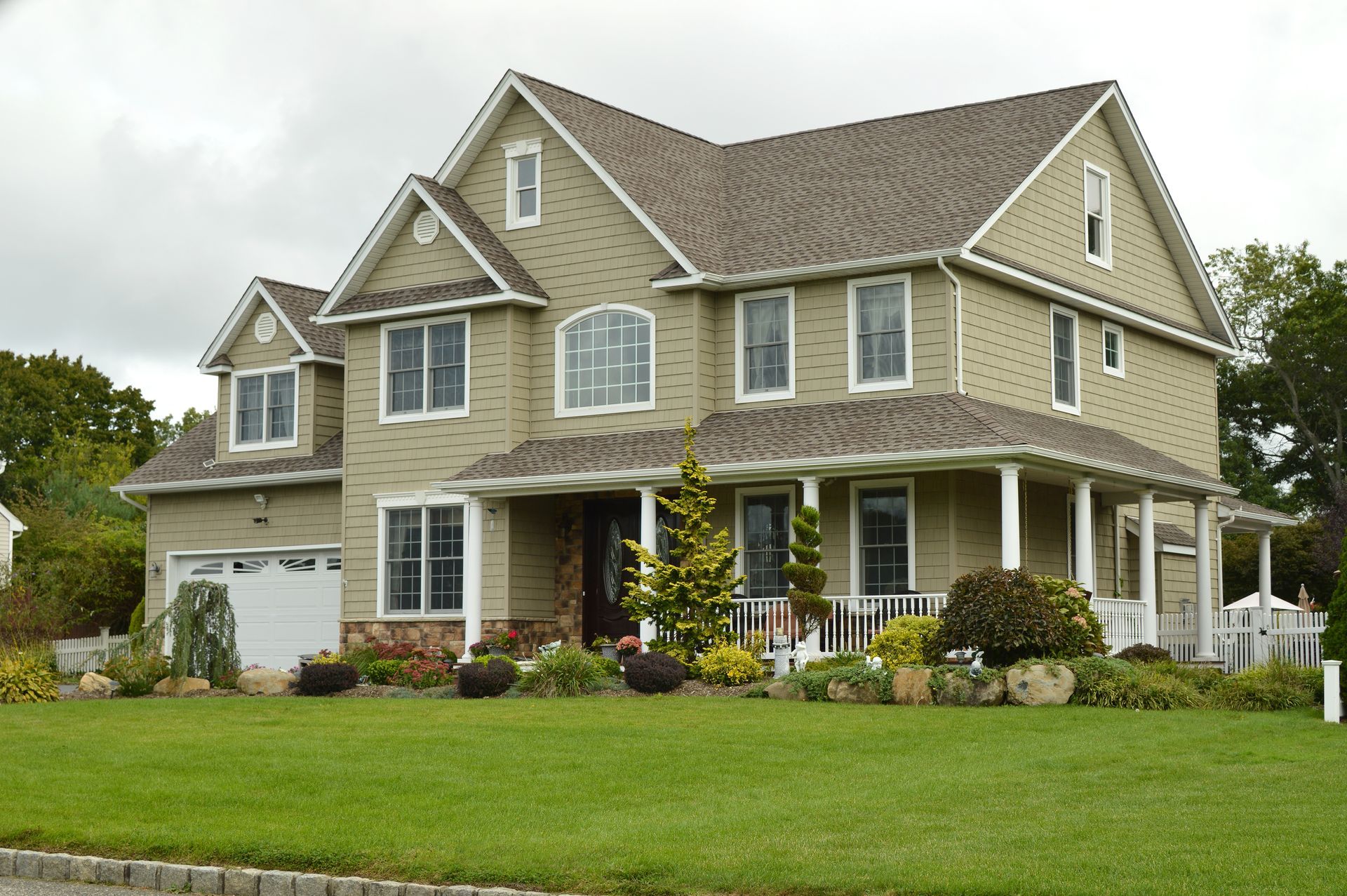
Axis Roof & Gutter | Everett roof replacement
An Everett roof may face repeated rain, exposed edges, shaded sections, and older repair details all on the same house. Before replacing anything, identify which parts are worn out and which parts can still do their job.
The strongest replacement plan starts with the existing roof, not a generic package.
A replacement should address the roof as it exists today
Replacement is a stronger option when deterioration is widespread, repairs are happening too often, or the surrounding roof is no longer dependable enough for another focused correction.
Axis Roof & Gutter can help evaluate whether the roof still has repairable sections or whether the better value is to renew the larger system. That means looking beyond the visible shingles or panels.
For Everett homes, wet weather and wind-driven rain can put extra attention on valleys, roof edges, penetrations, and transitions. A complete scope should explain how water will move across the roof and into the gutter system after installation.

Repeated trouble can signal a broader roof problem
One leak can be local. Several symptoms on different roof areas can tell a different story. Look for patterns that show the surrounding system is losing the ability to support durable repairs.
Water entry in more than one room or roof section can point to multiple weak details. A full inspection helps determine whether those failures are connected or independent.
Cracking, lifting, missing granules, or other wear across multiple slopes can make it harder to open and reseal the roof cleanly for future repairs.
If soft sheathing or failed transition details are found in several areas, the needed work may extend well beyond replacing a few shingles.
A repair still makes sense when the roof around it is sound. On a system with broad decline, another patch may only delay a replacement that is already becoming necessary.
Let present condition outweigh a simple age estimate. Roof exposure, ventilation, installation quality, maintenance, shade, and repair history all affect performance. A younger roof can have serious problems, while an older roof may still have serviceable areas.
Think about the roof that remains after the repair
The ability to patch a spot is only part of the decision. A repair should leave stable materials around it. If the roof is worn across several areas, replacement may avoid repeated disruption and short-lived fixes.
| Question to answer | Repair can still work when | Replacement may be more dependable when |
|---|---|---|
| Is the issue truly local? | The defect is confined to one area and other roof sections remain sound. | Similar wear, leaks, or damage appears on several roof faces. |
| Can nearby materials be tied into? | The surrounding roof can be lifted and integrated without breaking apart. | Brittle or deteriorated roofing makes a clean tie-in difficult or unreliable. |
| Can the leak source be isolated? | Water entry has a traceable source with a defined correction. | The route is unclear, recurring, or linked to several roof components. |
| What is left after the repair? | The roof still has meaningful service life once the local problem is corrected. | Known broad wear remains, making another near-term repair or replacement likely. |
Match the roof covering to the details underneath it
Material choice should work with roof pitch, architecture, exposure, transitions, drainage, and the maintenance expectations for the property. The best-looking product still needs the right supporting assembly.
Architectural shingles are a familiar choice for many pitched homes and come in numerous colors and profiles. The quote should also identify the starter course, ridge products, underlayment, flashing, and ventilation that complete the system.
The roof below still matters: New shingles will not solve weak decking, poor attic airflow, or unresolved flashing. Those details need their own place in the replacement plan.
Metal roofing changes how the roof handles seams, fasteners, valleys, walls, and penetrations. The selected panel, finish, and attachment method should suit the shape and slope of the house.
Plan for expansion and contraction: Metal moves with temperature changes. Fasteners, seams, and flashings need to accommodate that movement without compromising water management.
Not every roof plane has to use the same assembly. A porch or low-slope extension may require a different material from the main roof. The proposal should identify those surfaces and explain how the systems connect.
The finished roof depends on the hidden work
Look for more than a material name in the estimate. The deck, underlayment, flashing, ventilation, valleys, eaves, and gutter connections all affect how the roof performs once the crew leaves.
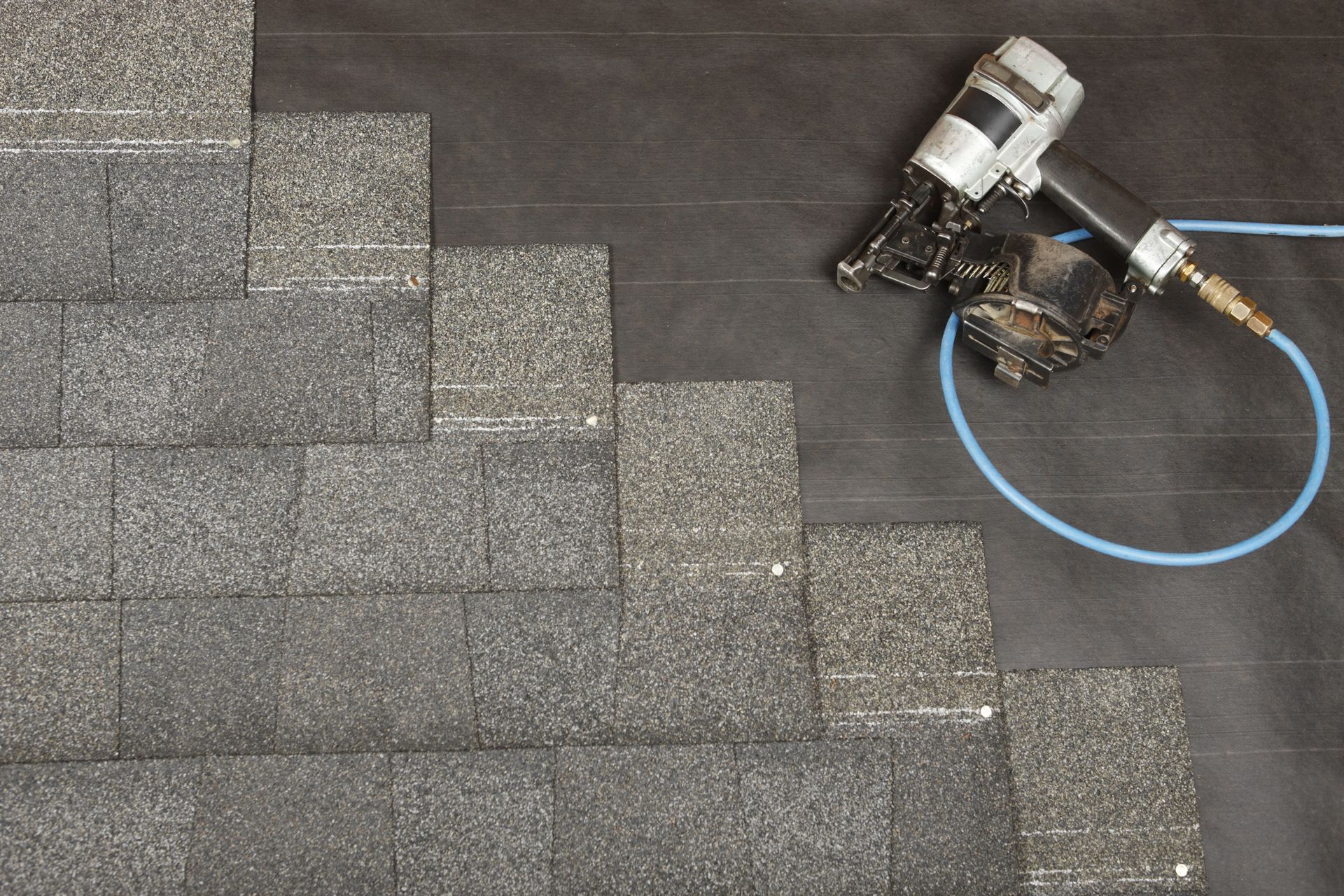
Tear-off exposes soft, damaged, or unsuitable sheathing that may not be visible during a surface inspection. The plan should explain how those findings will be handled.
Underlayment sits below the outer roof and provides secondary protection. Eaves, valleys, and other vulnerable locations may need added measures based on the selected system.
Walls, skylights, chimneys, and vents break the drainage plane. Each needs a transition that moves water out and over the roof covering instead of trapping it at the opening.
Ventilation performance depends on intake, exhaust, and the attic configuration. Replacement is the right time to review whether the existing approach is still appropriate.
Rain can move quickly across steep or exposed roof planes. Valleys, drip edges, and gutter connections should carry that water away without creating weak points at the perimeter.
Set expectations before the first shingle comes off
A replacement project involves active work around the home, weather decisions, and conditions that may only be visible after removal. The process is easier when those variables are discussed before installation day.
Review leaks, old repair locations, visible wear, and homeowner priorities. The goal is to understand why replacement is being considered and which details deserve extra attention.
Put the roofing system, accessories, removal, flashing, ventilation, cleanup, and exclusions in writing. Define how hidden deck damage will be presented and approved.
Coordinate material delivery, parking, debris, landscaping protection, and weather planning. Tear-off exposes the deck, then the agreed roof assembly is installed in sequence.
Check the completed work, cleanup, product information, care instructions, and any paperwork tied to the selected system. Confirm the contact path for follow-up questions.
Keep the work area clear on installation days. Roofing creates noise and vibration. Follow parking instructions, keep pets and children away from active areas, and secure items inside or outside the home that could be disturbed.
The estimate should explain where the work comes from
The same home size can produce very different roof scopes. Pitch, stories, valleys, access, tear-off, material type, flashing, ventilation, and deck conditions all influence the labor and materials needed.
Compare proposals by component. Look at what is included for removal, disposal, underlayment, flashings, vents, accessories, deck repair procedures, and the roofing product itself before comparing totals.
Request an Everett Roof Replacement Estimate
GAF Master Elite(R)
certified contractor
GAF's contractor directory lists Axis as a Master Elite residential roofer and shows a President's Club distinction.
See Axis roofing credentials on GAFMake the written scope do the explaining
Axis Roof & Gutter provides residential roof replacement and repair, plus gutter and exterior services. That mix can be useful when the roof work connects to drainage or another exterior condition.
Ask the proposal to identify what is being removed, what stays, which products are specified, how flashing and ventilation are handled, and what happens if hidden damage is found after tear-off.
Axis has GAF Master Elite certification and a President's Club distinction. Homeowners considering a qualifying GAF system can ask about applicable manufacturer-backed options and review the exact coverage terms.
Explore the Axis roof galleryEverett exposure can make roof details work hard
Everett homes can see wet weather, periods of wind, shaded roof planes, and older additions or transitions. A replacement scope should pay attention to how each roof section handles water rather than treating every slope the same.
Open roof edges, sidewalls, and penetrations can receive rain from more than one direction. Flashing and edge details should be integrated with the selected roof system, not treated as an afterthought.
Track where water gathers and how quickly it reaches the gutters. Valleys, lower roof sections, and drip edges deserve a clear plan when they carry concentrated runoff.
Additions, detached garages, tight side yards, and multiple roof levels can change staging and tie-in details. Review those areas before the final scope is approved.
Practical questions before replacing an Everett roof
These answers can help Everett homeowners prepare for a replacement estimate, understand the work being proposed, and compare roof systems with more confidence.
Talk with Axis: 360-653-7663Not by itself. A single leak may come from a local flashing or penetration issue. Replacement becomes more likely when the surrounding roof is worn, brittle, repeatedly leaking, or difficult to repair reliably.
Differences can come from roof area, pitch, access, tear-off, material system, underlayment, flashing, ventilation, deck repair terms, cleanup, and jobsite logistics. Compare the full written scope.
Yes. Roofing work needs appropriate conditions, especially during tear-off. Timing also depends on roof complexity, material availability, crew planning, and any conditions found after the old roof is removed.
Follow instructions about parking and access, secure pets, move outdoor items if requested, and protect fragile belongings that may be affected by vibration during tear-off.
The deck supports the new roof and is easiest to evaluate after the old covering is removed. Weak or damaged areas may need to be corrected before new materials can be installed.
No. Gutters should be reviewed at the roof edge, but serviceable systems may remain. Any gutter work should be written into the scope so there is no confusion.
Ask how added deck work will be documented and priced before the project starts. The approval process should be clear so hidden conditions do not become an unexpected decision.
Look at manufacturer coverage and contractor workmanship coverage separately. Review eligibility, registration, exclusions, transfer conditions, and system requirements for the products selected.
Call 360-653-7663 or request a free estimate online. Describe the leak or wear you have noticed, any past repairs, and the roofing materials you want to compare so the team can start with the right context.
Turn roof concerns into a specific replacement scope
Start with the roof condition, the trouble areas you already know about, and the material choices you are considering. A detailed scope makes the next decision easier to understand.


