New staining near a wall or ceiling joint
Moisture near an exterior wall, chimney chase, or ceiling transition can relate to flashing or roof intersections above. The inspection should follow the path back to where weather can enter.

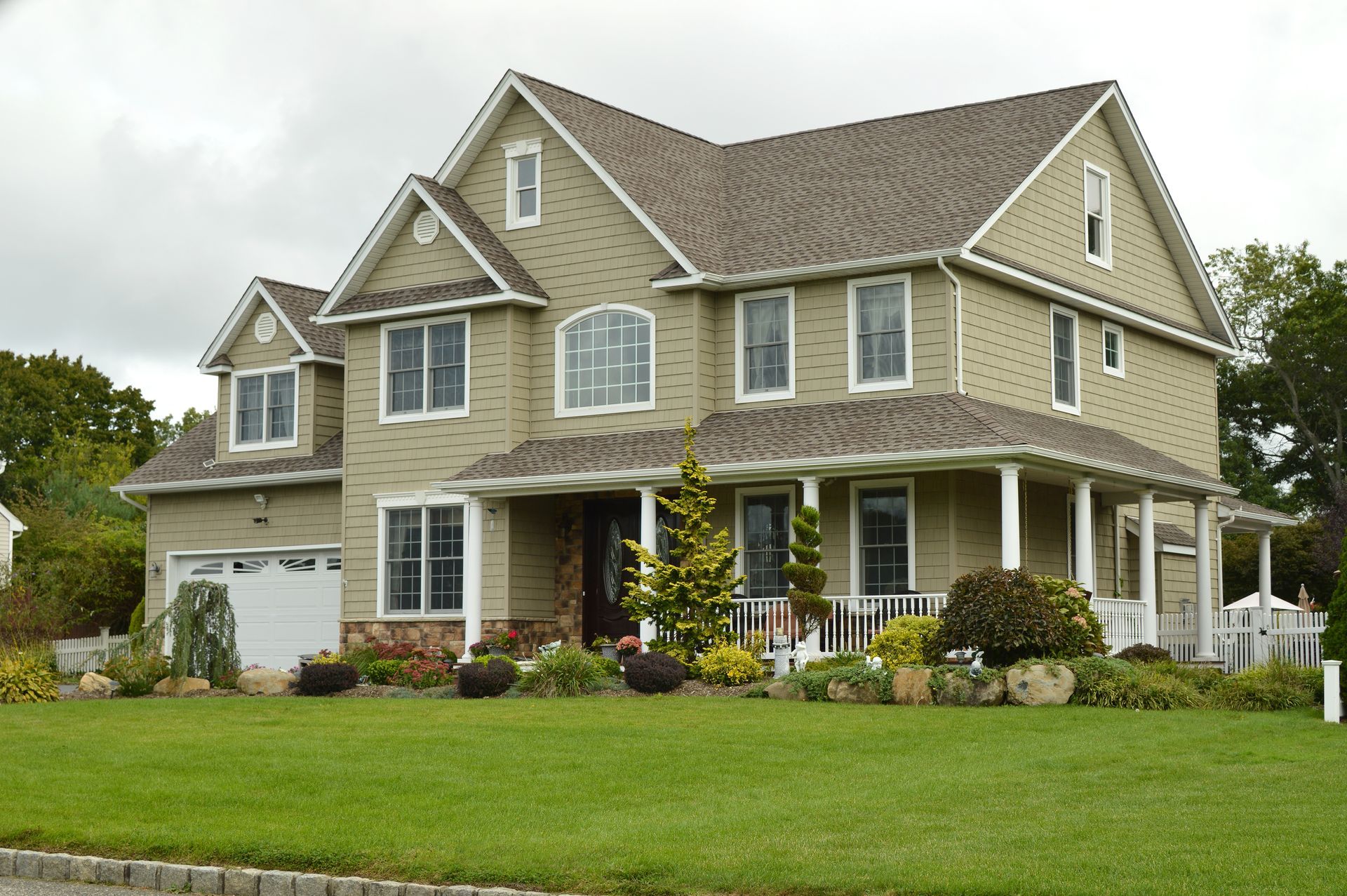
Axis Roof & Gutter · Home roof repair
When water gets in or roofing comes loose, the first job is to determine how the failure started. A targeted roof repair should correct the weak detail and tie back into roofing that is still sound.
Roof leak checks. Localized damage repair. Practical answers before work starts.
Start with evidence, not assumptions.
A roof can need attention long before it needs full replacement. Localized leaks, damaged roofing, and failed flashing are often repair questions first, provided the surrounding roof still has enough serviceable life and strength.
Axis Roof & Gutter evaluates residential roof problems by looking at the visible damage and the roof details around it. That can mean tracing moisture uphill, checking transitions, or opening a limited area to see what is happening underneath.
The repair should leave the roof able to shed water as a system. That means considering the covering, flashing, underlayment, deck condition, penetrations, valleys, and drainage route when they connect to the problem.
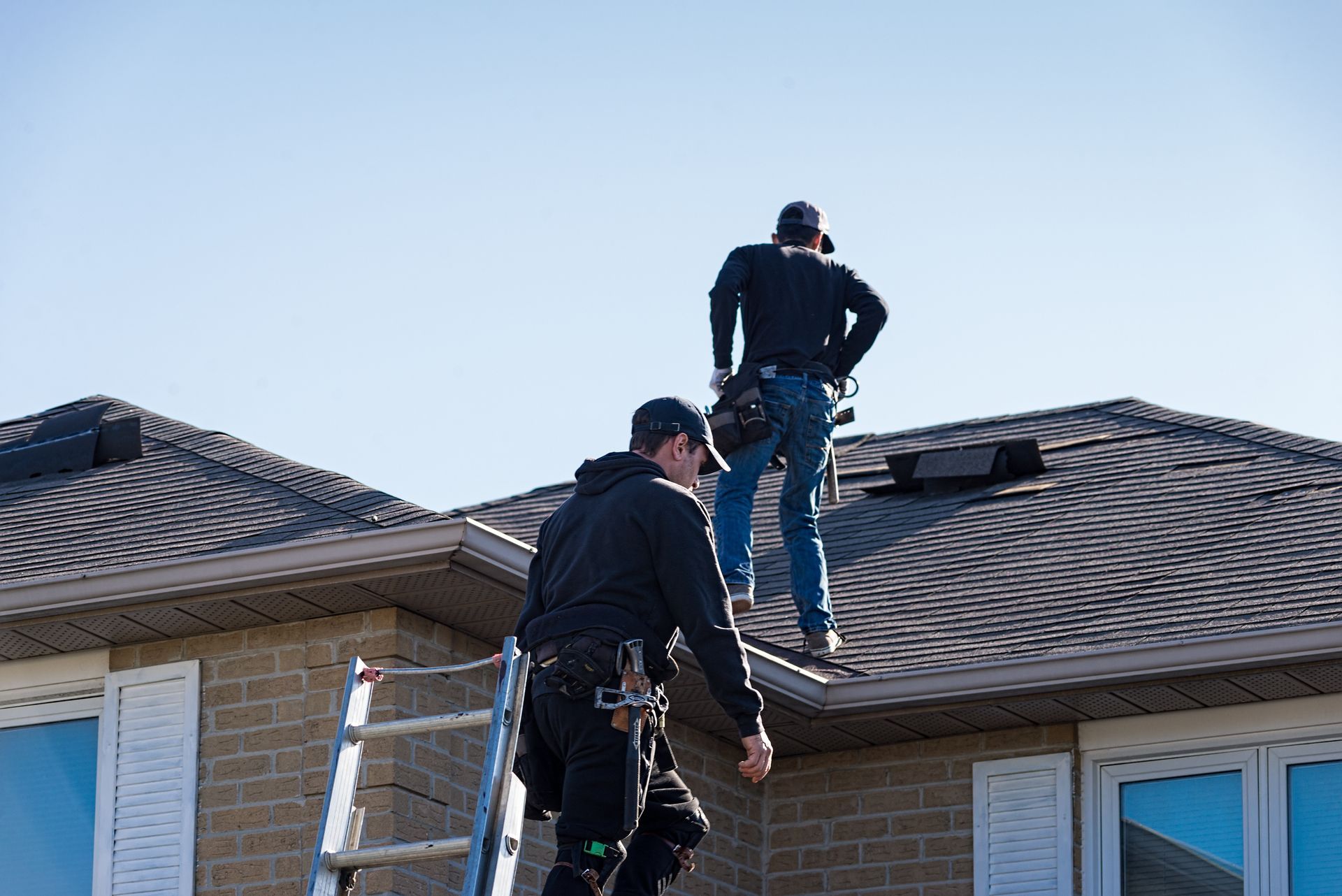
Know the signs that deserve a closer look
Roof issues rarely announce their exact source. A small interior mark, lifted edge, or damaged flashing detail can be enough reason to inspect the surrounding roof before water reaches a larger area.
Moisture near an exterior wall, chimney chase, or ceiling transition can relate to flashing or roof intersections above. The inspection should follow the path back to where weather can enter.
Tabs that lift, crease, or disappear can expose fastening points and underlayment. A repair needs to determine whether the nearby shingles remain flexible enough for a clean tie-in.
Roof penetrations combine several materials in a small area. If flashing has moved or a boot has deteriorated, the repair should correct the assembly rather than simply cover the joint with more surface sealant.
Material collecting in gutters or at downspouts can be a clue that one section has unusual wear. It does not prove a leak, but it gives the inspector a specific area to compare with the rest of the roof.
A dry day can still help explain a wet-weather problem. Photos of the interior stain, notes about when it appears, and the roof area directly above can all help narrow the search before the next storm arrives.
Choose repair when the roof around the problem can support it
The decision is less about the size of the stain and more about the condition of the roofing around the failure. A contained defect on an otherwise serviceable roof is different from repeated leaks across aging materials.
| Decision point | Repair is often reasonable | Replacement may be the better discussion |
|---|---|---|
| Where the damage is | The defect is limited to a defined area such as a few shingles, a vent, valley section, or flashing transition. | Problems appear on several slopes or involve a broad section of worn roofing. |
| How the roof ties together | Existing materials can be lifted, flashed, and integrated without breaking down around the repair. | The roof is too brittle or deteriorated to accept a durable repair connection. |
| What the leak history shows | The leak follows a repeatable pattern and the likely entry point can be confirmed. | Water appears in different places or returns after several unrelated repair attempts. |
| What you want from the work | You need a focused correction that resolves the current failure while the rest of the roof remains usable. | You are spending repeatedly on isolated fixes while broader roof condition keeps creating new problems. |
Repair methods should fit the roof you already own
Roof materials fail in different ways. A useful scope identifies the existing system first, then chooses repair materials and tie-in methods that suit that construction.
A shingle repair can be straightforward when the damage is limited and nearby shingles remain workable. The repair may also need to address exposed fasteners, underlayment, or flashing if those details contributed to the leak.
Ask about: How the new shingle section will be integrated and what will happen if damaged decking is uncovered below it.
Metal systems can leak at fasteners, seams, transitions, penetrations, or damaged panels. Repair work should recognize the panel profile and movement of the system rather than treating every opening as a caulking problem.
Ask about: Whether the repair corrects the underlying movement or connection issue instead of only sealing the surface.
Does the leak sit where a porch, addition, or lower roof meets the main house? Transition leaks can involve step flashing, wall flashing, drainage, and differences in slope. The connection between roof areas should be inspected as one detail before the scope is finalized.
Look below and around the failed roof detail
The surface may show the first clue, but the roof assembly underneath determines whether the repair can be completed cleanly. These components often deserve attention around the work area.
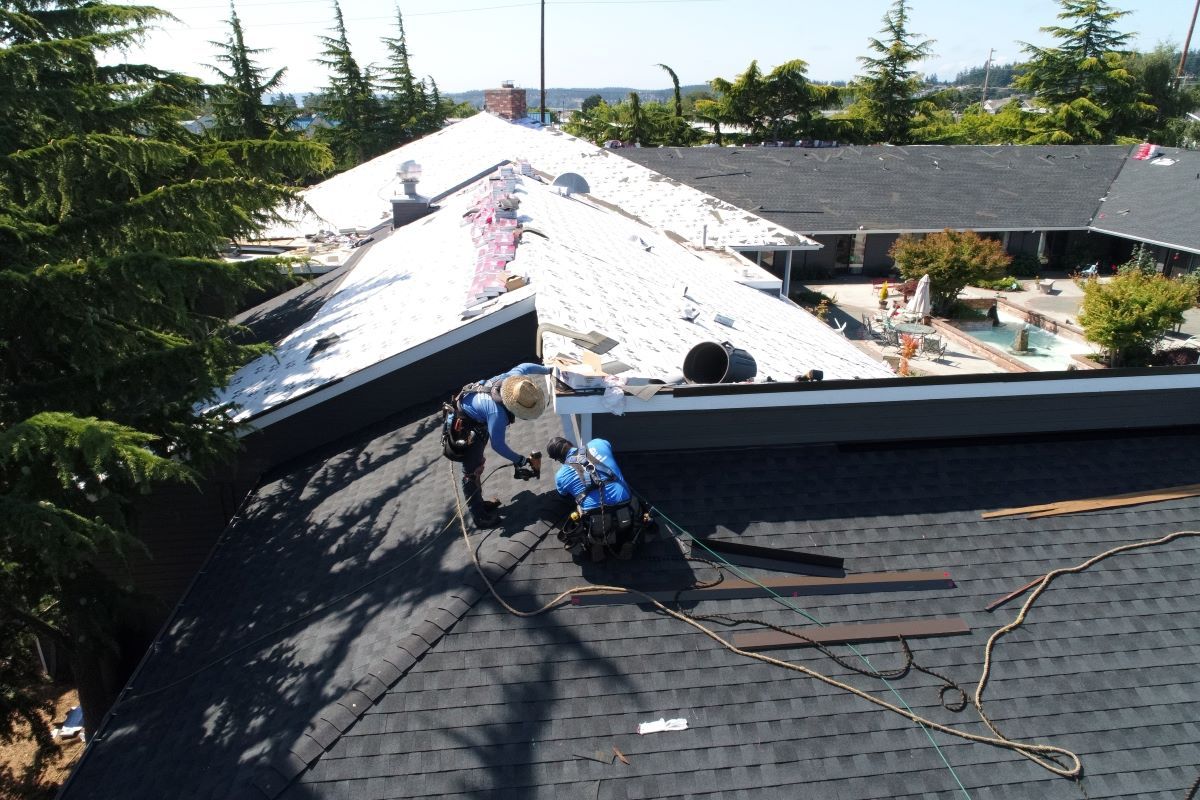
The roof covering needs a solid base. If the deck is swollen, soft, or deteriorated where the repair is opened, that damaged section may need to be replaced before new roofing is installed.
When shingles or panels are removed, underlayment in the opened area should be checked for holes, tears, or moisture and tied back into the existing water-shedding layer appropriately.
Wall intersections, skylights, plumbing vents, and other openings are common places where multiple materials meet. The repair should evaluate the flashing sequence, not just the visible sealant line.
Roof vents can create leaks when their flashing or surrounding roofing fails. The vent opening, flashing, and shingles or metal around it should be reviewed together.
A valley or eave can concentrate water from a large roof area. If the repair is nearby, inspect the drainage path and gutter edge so runoff is not being redirected into the vulnerable detail.
A defined repair from inspection through cleanup
The best repair process is easy to follow: identify the failure, define the work, protect the property, complete the repair, and review what was done. Ask how each step will be handled on your roof.
Share when the leak appears and any photos or past repairs. The roofer can compare those clues with the roof surface, flashing, penetrations, and attic conditions that are accessible.
The estimate should identify the work area, materials, and included details. It should also explain how concealed damage or a larger-than-expected repair area would be handled.
Protect the surrounding property and gain safe access to the roof. Complete the agreed repair while keeping the existing water-shedding pattern and adjacent materials in mind.
Review the repaired area, cleanup, and any project notes or photos. Make sure you know what was corrected and what conditions should be watched over time.
Before repair day: Clear the driveway or side yard below the work area if needed, secure pets, and make interior leak locations accessible so the crew can compare them with the roof above.
Repair pricing follows the problem, not just roof size
Repair cost can change based on roof height, access, the roofing material, and whether the failure involves a simple surface defect or a more detailed transition. Concealed moisture can also expand the work after the area is opened.
When comparing estimates, look for a specific description of the repair area and the roof components included. A lower price is difficult to compare if it does not explain flashing, deck damage, or other conditions that may be part of the leak.
Get My Roof Repair Estimate
GAF Master Elite®️
roofing contractor
Axis is listed in GAF’s residential contractor directory with Master Elite certification and a President’s Club distinction.
View Axis’s GAF credentialsA roofing credential matters most when the work is clearly explained
Axis Roof & Gutter handles residential roof repair as well as replacement, gutter, and exterior work. That broader scope can be useful when the leak sits near an eave, drainage point, or exterior transition instead of in the middle of a simple roof field.
Your repair estimate should make the decision easier, not more confusing. It should identify the problem area, define included work, and explain how unexpected conditions will be discussed before the scope changes.
If manufacturer products or existing warranty terms are relevant, ask what applies to the repair itself. Coverage can depend on the system, product, and prior installation.
Browse the Axis project galleryLocal conditions should inform the inspection
Wet weather, tree cover, roof orientation, and previous additions can change where a leak starts and how quickly the area dries. A repair plan should respond to the actual roof rather than rely on a generic patch.
If a leak appears only during wind-driven rain, tell the roofer which side of the home is affected. That pattern can help focus attention on flashing, lifted materials, or roof-to-wall details.
Leaves and needles can slow drainage where water already concentrates. When a repair is near a valley or eave, inspect the roofing and flashing below any debris rather than assuming cleaning alone solves the issue.
Solar penetrations, skylights, additions, vent changes, and older repairs can introduce new transitions. The inspection should consider how those details connect to the current leak path.
Questions homeowners ask before approving a repair
If you are dealing with a leak, loose roofing, or damaged flashing in Federal Way, WA, these answers can help you understand what to ask before approving a roof repair.
Ask our team: 360-653-7663Yes, depending on the cause and the surrounding roof condition. Interior leakage does not automatically mean replacement, but the repair should address the entry point and any roofing, underlayment, or decking damaged along the path.
The scope should identify the repair area, materials, access needs, and relevant details such as flashing or penetrations. It should also explain how added work will be handled if hidden damage is found.
Water can move under roofing, along framing, or across underlayment before it reaches the interior. Weather direction and roof geometry can also change the path, so the visible ceiling stain may not sit directly below the failure.
They may be repairable when the affected area is limited and surrounding shingles can be worked without breaking. Creased or missing shingles should also prompt a check of fasteners and underlayment in that section.
Sometimes sealant is part of a proper detail, but it should not be used to hide loose flashing, damaged roofing, or a failed connection. The repair should correct the component that is actually allowing water in.
When attic access is available and relevant to the leak, interior moisture patterns can help narrow the source and show whether decking is wet. Not every repair requires attic work, but the information can be useful.
Ask before work starts how additional damage will be documented and approved. The crew may need to expand the opening if wet decking, failed underlayment, or connected flashing damage extends beyond the visible defect.
Warranty terms depend on the contract, products, and the existing roof. Request the applicable workmanship and product coverage in writing so you know what applies to the repaired area.
Call 360-653-7663 or request a free estimate online. Provide the property address, the location of any interior staining, the weather conditions when it appears, and details about previous repairs if you have them.
Get the leak source and repair scope on the same page
Start with an inspection of the affected area in Federal Way, WA and use what the roof shows to decide whether a focused repair is the right move.


