Repeated leak calls
Several leak locations or repeated repairs can signal that the problem is no longer isolated. The entry point should be traced rather than assuming the ceiling stain sits directly below it.

Axis Roof & Gutter · Residential roofing
A roof replacement should begin with facts, not guesswork. Learn what is failing, compare practical material choices, and see what the full Federal Way project should cover.
Clear roof evaluation. Straightforward material choices. A replacement plan you can review line by line.
Start with the roof, then build the right scope.
A full replacement may be the better path when problems are spread across the roof and isolated repairs would leave too much aging or damaged material in place.
Axis Roof & Gutter works with Federal Way homeowners to understand the existing roof before selecting materials. That means identifying the trouble areas, deciding what should be removed or rebuilt, and then comparing shingle or metal options.
The visible roofing is only part of the job. A complete proposal should explain how decking, underlayment, flashing, ventilation, penetrations, and roof drainage will be handled where needed.

Look beyond a single leak
A ceiling stain or active leak deserves investigation, but it does not settle the repair-versus-replacement decision. The source, surrounding material, and history of the roof all matter.
Several leak locations or repeated repairs can signal that the problem is no longer isolated. The entry point should be traced rather than assuming the ceiling stain sits directly below it.
When cracking, curling, granule loss, or exposed reinforcement appears on more than one roof plane, the remaining surface may be too worn for a localized fix to solve the larger problem.
If multiple flashings are failing, wind has affected several slopes, or moisture has reached the deck, a broader plan may be needed. Surface symptoms should be checked against underlying conditions.
If each season brings another repair on a roof that is already in weak condition, it may be time to compare cumulative repair spending with a complete replacement scope.
Roof age matters, but it is only one part of the decision. Two roofs of the same age can perform very differently because of material, installation, ventilation, exposure, and maintenance. Evaluate what is actually present before deciding.
Choose the scope that solves the problem
Look at how much roofing is affected, how healthy the surrounding materials are, and whether a repair would leave other known issues behind. Those points help separate a repairable defect from an aging system.
| What to evaluate | A repair may work when | Replacement may fit when |
|---|---|---|
| Extent of damage | A specific issue can be isolated and the roofing around it is still in good condition. | Problems are present across more than one slope or roof detail. |
| Remaining condition | The materials around the defect are stable enough to receive a dependable repair. | The roof around the problem is failing or deteriorated enough that a patch would be short-lived. |
| Leak history | There is one traceable entry point that can be repaired without disturbing the larger system. | Water problems keep returning or involve multiple transitions, penetrations, or roof areas. |
| Long-term plan | The repair addresses the defect while the rest of the roof remains in acceptable condition. | Continuing to patch would leave significant deterioration in place and likely create more repair cycles. |
Match the material to the house
The right roof covering has to fit the slope, house design, and priorities for the project. Look at product requirements, accessories, and detailing alongside appearance.
Architectural shingles are available in many dimensional styles and colors for sloped homes. The important comparison is the specific product, its construction and ratings, plus the installation details included with it.
Worth discussing: Do not evaluate the shingle in isolation. Flashing, ventilation, underlayment, and installation details have to work with the selected roof covering.
A metal roof uses a different set of installation details from shingles. Panel shape, fastening design, finish, and roof geometry should all be matched to the house and the chosen system.
Worth discussing: Thermal movement is part of metal-roof design. Fastening and flashing details should be compatible with the selected panels.
Have a low-slope wing or attached porch? Low-slope areas may call for a different assembly than the main pitched roof. Ask how each section and the connection between systems will be handled.
What the new roof sits on
The roof covering cannot perform by itself. Review the proposal for how these supporting components will be evaluated and what work is included if problems are found.
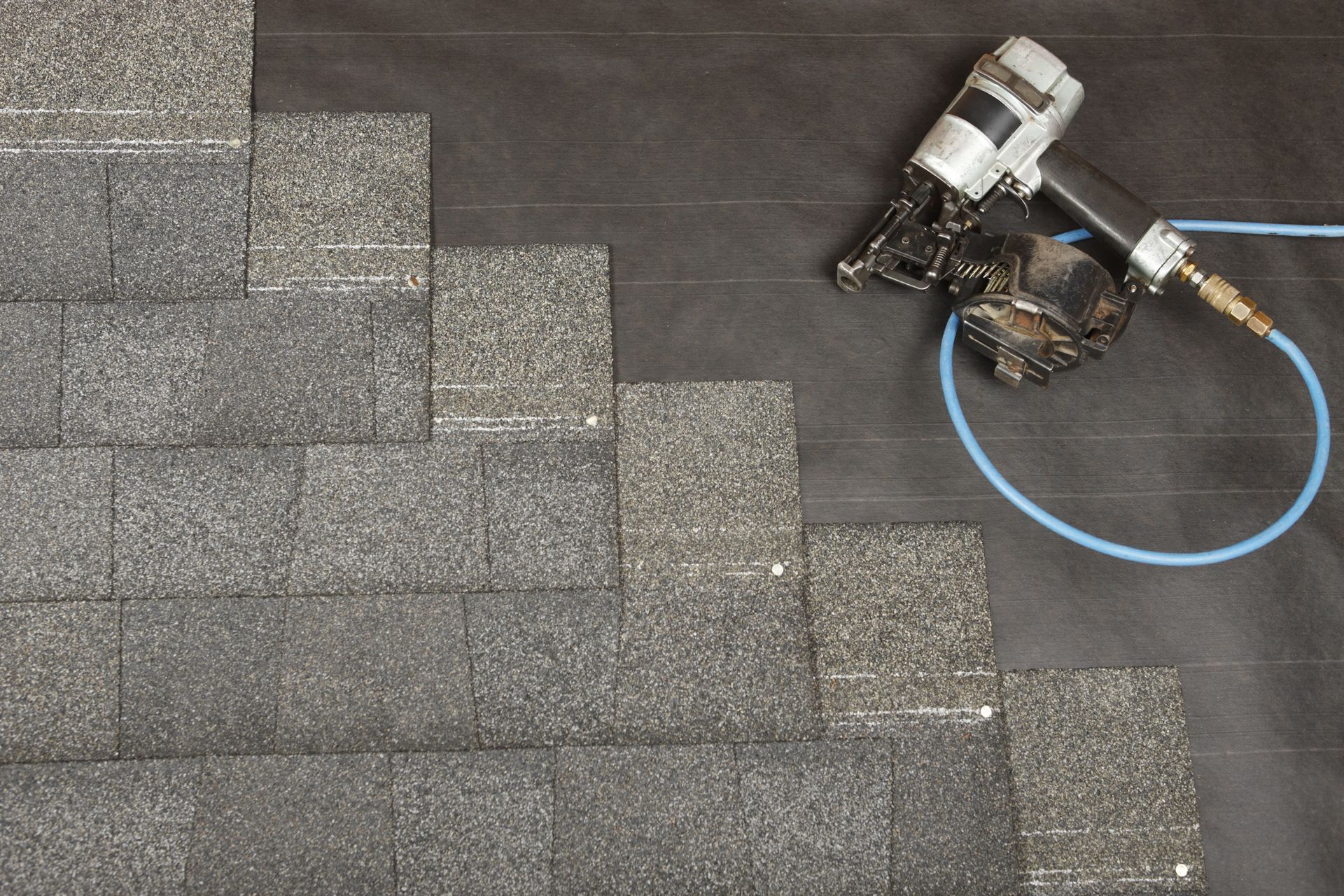
Removing the old roofing exposes the deck so hidden deterioration can be identified. The proposal should state how extra layers and deck repairs will be addressed.
The underlayment sits between the deck and roof covering. Ask which product is included and how valleys, eaves, and other vulnerable areas are handled for the selected system.
Roof openings and wall intersections are common places for water to enter when details fail. Review the flashing plan at chimneys, pipes, skylights, and wall transitions.
The attic design should be reviewed before changing vents. Intake and exhaust need to work together rather than treating one additional vent as a complete solution.
The roof has to move water safely through valleys and off the edges. Drip-edge details, gutter interfaces, and transitions should be checked with the new roof system.
A clear path from evaluation to completion
Knowing the sequence of the job helps homeowners understand what decisions come first and what to expect once materials and crews arrive.
Walk through known problems and previous repair work. Assess the existing system and explain the findings that support repair or replacement.
Confirm materials, accessories, included labor, exclusions, and applicable warranty information. Decide how changes will be presented and authorized if hidden conditions appear.
Set delivery and access plans, protect the areas around the house, and account for workable weather. Installation follows the written scope, with concealed issues addressed as they are found.
Compare the completed work with the written scope, check cleanup, and collect project documents. Confirm any warranty registration steps and future care guidance.
Plan ahead for installation day: Roofing work can affect parking, access, pets, and the use of outdoor areas. Confirm delivery locations, debris handling, and any items that should be moved before the job starts.
Read the roof estimate by scope
Pricing is tied to the roof geometry and the work required, not simply the interior size of the house. Similar Federal Way homes can differ in slope, stories, valleys, access, and underlying conditions.
Look past the total and compare line items, materials, exclusions, and how added work is handled. A cheaper bid may represent a smaller scope rather than the same roof replacement for less money.
Request My Roof Estimate
GAF Master Elite®️
roofing contractor
Axis is listed in GAF’s residential contractor directory with Master Elite certification and a President’s Club distinction.
View Axis’s GAF credentialsBring the details to an experienced roofing contractor
Axis Roof & Gutter provides roof replacement along with repair, gutter, and exterior services. That lets Federal Way homeowners raise related concerns at roof edges, transitions, or drainage areas while the overall replacement scope is being reviewed.
A good proposal should tell you what needs attention, which materials and accessories are included, and what happens if hidden damage is found. Use that review to settle installation and property-protection questions before work begins.
Qualifying systems installed by certified contractors may have access to additional manufacturer warranty options. Confirm the exact coverage, eligibility rules, registration needs, and exclusions for your proposal.
Explore the Axis project galleryAccount for the Federal Way home and site
Even neighboring Federal Way homes can differ in roof pitch, shade, additions, ventilation, and access. Those property-specific conditions should guide the replacement details.
Review how shade, tree debris, roof orientation, and runoff affect different slopes. Water paths at valleys, transitions, and gutters can highlight areas needing extra attention in the scope.
Federal Way homes with additions, cathedral ceilings, multiple attic spaces, or complicated slopes may need different ventilation or transition details. Review those conditions before finalizing the system.
Confirm how materials and debris containers will reach the site, where crews can work safely, and whether any applicable association or project approvals must be handled before the start date.
Roof replacement questions worth asking
Federal Way homeowners comparing roof replacement options can use these questions to prepare for an estimate and a detailed scope discussion with Axis.
Ask our team: 360-653-7663Replacement may make sense when problems affect multiple areas, the roofing is broadly worn, or repair would depend on materials that no longer have enough serviceable life. Ask the assessment to explain why a repair would or would not be reliable.
Pricing depends on the roof surface and complexity, material system, removal work, access, and repairs discovered below the existing covering. A Federal Way estimate should make clear what is included and how changes are handled.
The installation window is influenced by roof geometry, selected materials, staging, weather, and hidden conditions discovered after removal starts. Confirm the expected sequence and how any delay will be reported.
It is often possible to remain home, but tear-off and installation create substantial noise and activity outside. Plan around pets, children, parking, and any household member who is sensitive to construction noise.
Removing existing roofing lets the crew see the deck and correct unsuitable areas before the new system covers them. The appropriate approach depends on the existing assembly and applicable requirements, so ask for the reasoning behind the proposed scope.
Those components do not automatically require replacement. Their condition and integration with the roofing should be reviewed. Make sure the scope states whether they stay, receive new flashing, need repair, or are excluded.
If tear-off exposes unsuitable or damaged decking, it may need to be corrected before new roofing is installed. The contract should explain how that condition is recorded, priced, and approved.
Different warranties may cover different parts of the project. Ask for the manufacturer and workmanship terms that apply to the proposed system, along with any registration steps, exclusions, eligibility rules, and transfer conditions.
Call 360-653-7663 or request a free estimate online. Provide the Federal Way property address, describe any leaks or known damage, and say whether you want a replacement estimate or need help deciding between repair and replacement.
Take the next step on your Federal Way roof
Talk with Axis about your Federal Way roof, the problems you are seeing, and the materials and scope that make sense for the project.


