Leaks during wind-driven rain
A roof that stays dry in light rain but leaks when wind pushes water sideways may have trouble at flashing, siding transitions, vents, or another exposed connection.

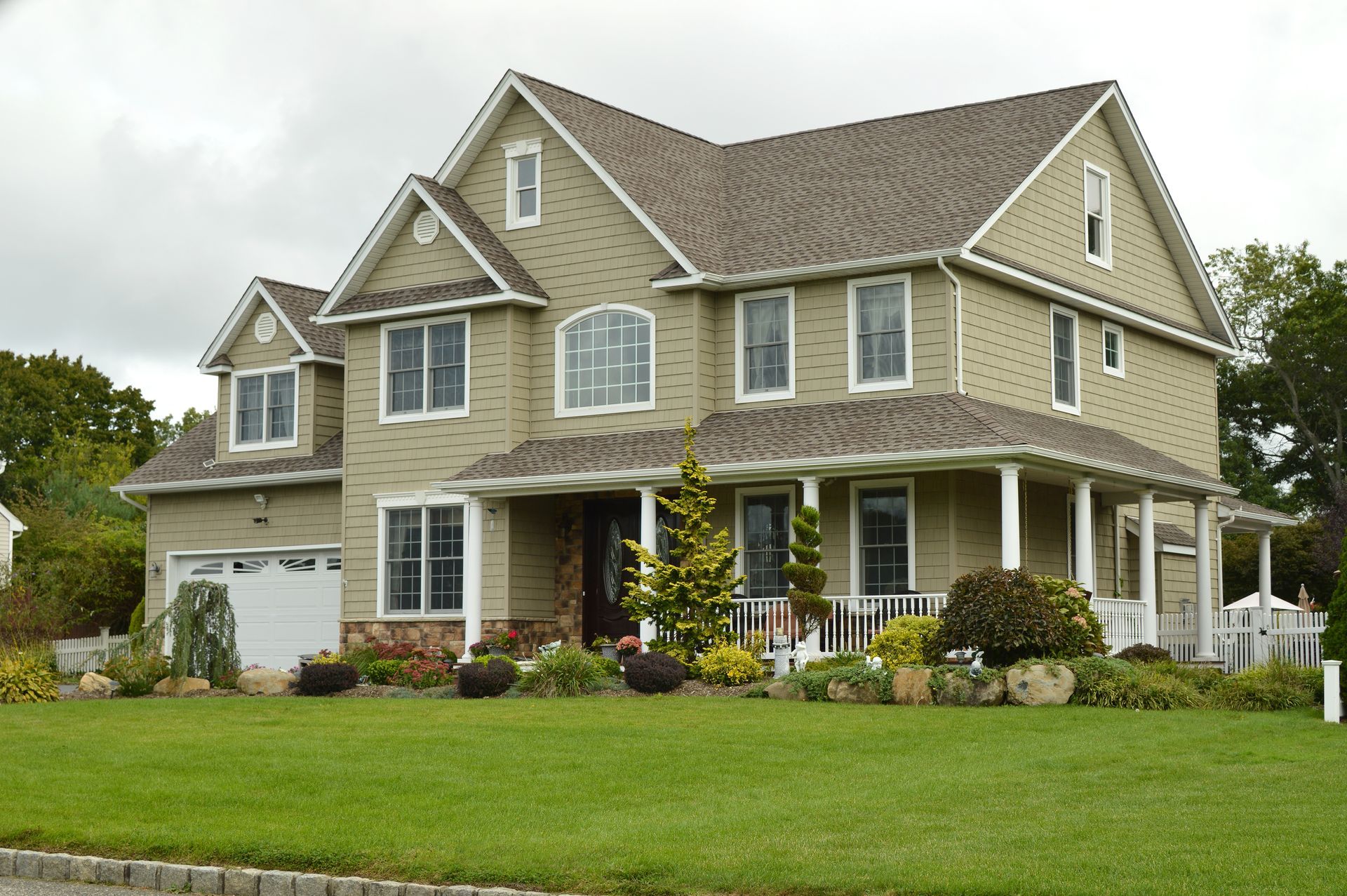
Axis Roof & Gutter · Residential roof repair
When rain finds a weak seam, roof damage can show up far from the actual entry point. Get the problem traced, understand the condition around it, and choose a repair that fits the roof you already have.
Leak diagnosis. Shingle and metal repairs. Straightforward next steps.
A repair should solve a defined roof problem.
Roof repair is most useful when a damaged area can be isolated, corrected, and connected back into roofing that is still in serviceable condition.
Axis Roof & Gutter evaluates leaks, damaged roofing, flashing failures, and other localized concerns before recommending a repair scope. That distinction matters because a water stain does not reveal whether the source is a shingle, a penetration, a roof-to-wall junction, or another nearby detail.
Gig Harbor homes can see frequent damp weather, tree debris, and periods of wind-driven rain. Those conditions make valleys, penetrations, eaves, and roof transitions important places to inspect when a leak appears.
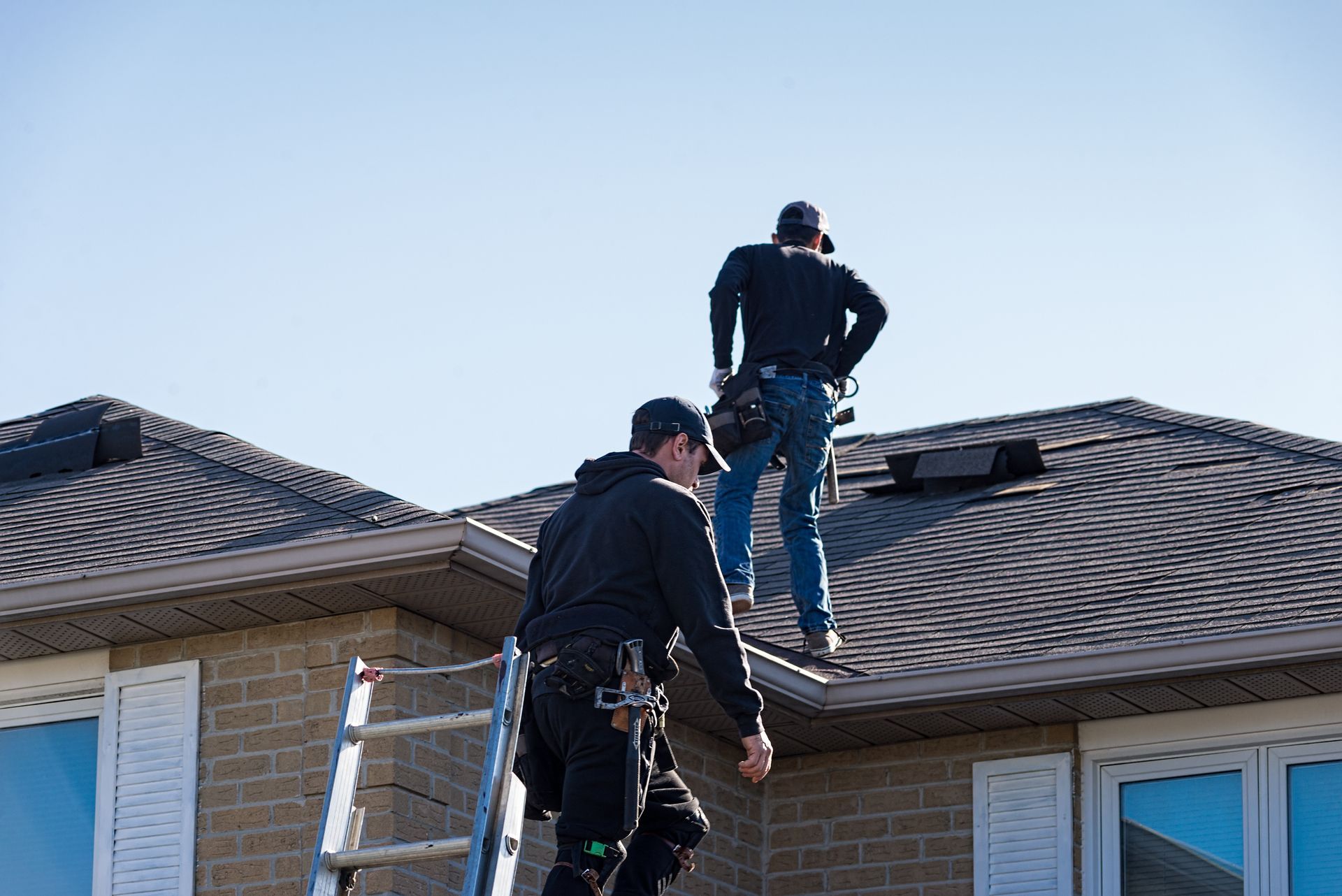
Pay attention to changing roof behavior
Some repair needs are obvious, such as a missing shingle. Others show up as damp insulation, darkened decking, or a leak that appears only under certain weather conditions. Each clue helps narrow the source.
A roof that stays dry in light rain but leaks when wind pushes water sideways may have trouble at flashing, siding transitions, vents, or another exposed connection.
Individual shingles can be damaged by wind, foot traffic, falling debris, or age. A repair assessment should also check whether adjacent shingles can be lifted and resealed without breaking.
Roof penetrations and vertical transitions rely on overlapping materials. A small opening at one of these details can admit water even when the surrounding roof covering looks normal.
Damp sheathing, softened wood, or wet insulation can indicate that water has been entering longer than the interior stain suggests. The cause and the affected material both need attention.
Weather can reveal a weak detail, but it does not identify it. Note when the leak occurs, which direction the weather is coming from, and where you see moisture. Those observations can help the roofer test likely entry points instead of guessing.
Decide how far the repair needs to go
The best repair scope is large enough to correct the failure but not larger than the roof condition requires. Compare the damaged area, tie-in points, and nearby wear before choosing a patch or broader project.
| Decision point | Localized repair is more practical when | More extensive work should be discussed when |
|---|---|---|
| Damaged section | The failure is limited to a reachable section or detail with clear boundaries. | Damage extends across multiple roof planes or involves several connected details. |
| Tie-in material | Nearby shingles, panels, and flashing can accept new work without breaking or losing adhesion. | The existing roofing around the area is fragile, loose, or too deteriorated for a dependable tie-in. |
| Moisture source | Inspection points to a specific opening or water path that can be corrected. | Several possible leak sources exist or prior repairs have not stopped the water. |
| Repair objective | The proposed work addresses the known failure and leaves no obvious unresolved defect beside it. | A patch would mask symptoms while broader roof deterioration continues. |
Use a repair method that matches the roof
A repair is not just a replacement piece of material. The roofer has to account for how the existing system sheds water, moves, fastens, and connects to nearby components.
On an asphalt roof, a localized repair can involve damaged shingles, underlayment, nail placement, or nearby flashing. The existing shingles must be workable enough for new material to slide into the correct laps and seal as intended.
Keep in mind: New shingles may not match weathered shingles exactly. A sound water-shedding detail is the more important outcome.
Metal systems can leak at seams, fasteners, penetrations, transitions, or damaged panels. Panel profile and attachment matter because metal moves and the repair must work with that movement instead of locking it in place.
Keep in mind: Repeatedly adding sealant can hide the real failure. A repair should correct the joint, flashing, or attachment detail that is allowing water in.
Is the leak near a roof addition or low-slope area? Different roof assemblies can meet at porches, additions, or transitions. The connection between them may be more important to the repair than either roof surface by itself.
Roof repairs often involve several layers
Water has to cross roofing layers and details before it reaches the living space. A repair estimate should make clear which layers are affected and how the completed work restores drainage over and around the repaired area.
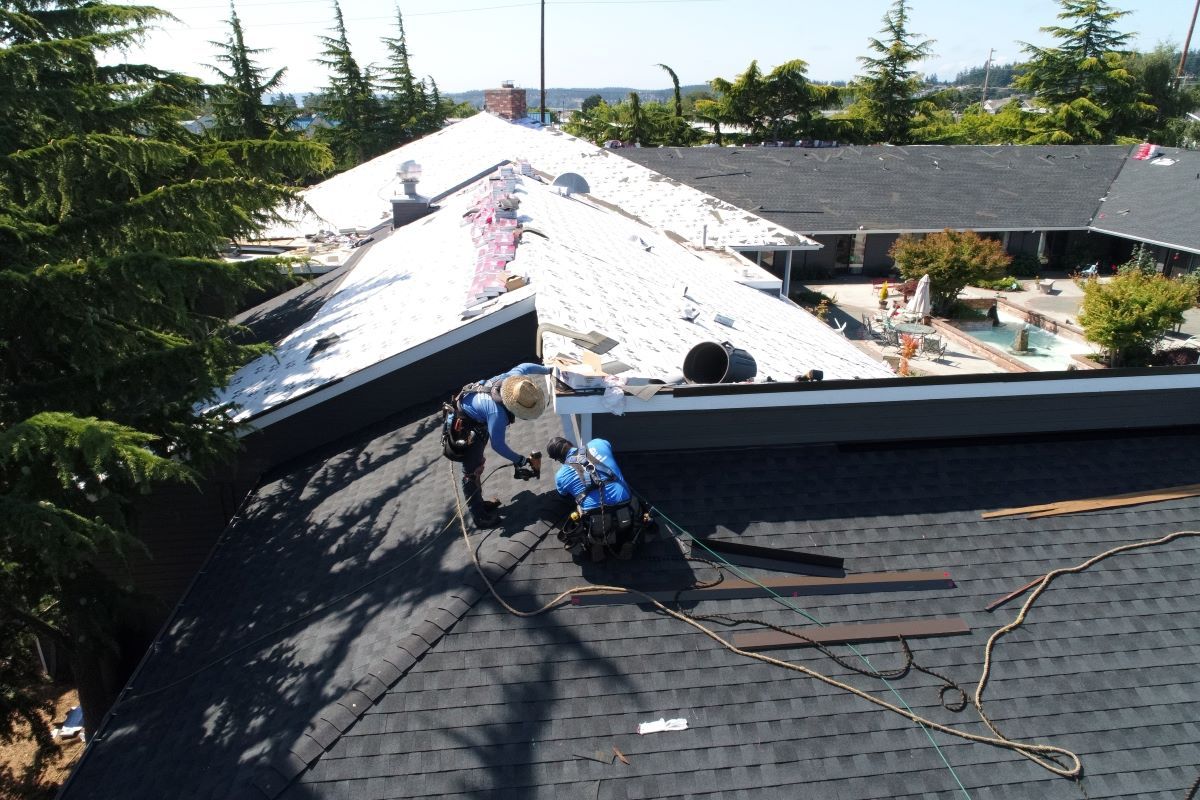
The roofer should inspect enough surrounding material to know where the repair can end on sound roofing. That boundary often matters as much as the damaged shingle or panel itself.
When roofing is lifted or removed, the deck may show staining, softness, or deterioration that was not visible from above. The repair process should include a clear way to address those findings.
Vent pipes, skylights, chimneys, sidewalls, and headwalls interrupt the roof field. Their layered flashing should be evaluated before surface sealant is treated as the answer.
Not every ceiling mark comes from exterior rain entry. Moisture patterns, ventilation conditions, and attic observations can help separate condensation concerns from a true roof leak.
Valleys, eaves, gutters, and roof intersections handle concentrated runoff. Debris or a damaged edge can redirect water toward seams that normally stay dry.
Know what the crew is doing and why
A focused repair still deserves a defined process. Ask how the source will be confirmed, what materials are included, and what happens if the opened area shows more damage than expected.
Explain when the leak occurs, what rooms are affected, and any previous repair attempts. Exterior and accessible interior clues can then be compared to narrow the likely source.
Review the exact roof area, materials, flashing details, exclusions, and approval process for concealed conditions. The written scope should describe the problem being corrected.
Set up safe access and property protection, then open and rebuild the affected area as needed. The crew should integrate new materials with the existing roof rather than layer a quick surface patch over a failed detail.
After the work, look over cleanup and any documentation of the repaired area. Ask what conditions would justify a follow-up and what maintenance could help keep drainage clear.
Help the inspection go smoothly: If possible, mark interior stain locations, clear attic access, move items below the exterior work zone, and keep driveways or gates available where ladders and materials may need to pass.
Price the actual repair, not just the visible damage
The repair total can change with roof height, pitch, material type, flashing complexity, and the amount of roofing that has to be removed to reach sound tie-in points. Water damage below the surface can also affect scope.
Ask for enough detail to compare proposals fairly. Two contractors may use the word “repair” for very different amounts of work, so look for the planned repair area, materials, and how hidden damage will be handled.
Get My Roof Repair Estimate
GAF Master Elite®️
roofing contractor
Axis appears in GAF’s residential contractor directory with Master Elite certification and a President’s Club distinction.
View the Axis GAF listingAsk enough questions to understand the repair
Axis Roof & Gutter works on roof repair as well as residential replacement, gutters, and exterior services. That broader exterior perspective can be useful when water is showing up near eaves, wall transitions, or drainage components.
Before authorizing work, ask what evidence supports the proposed repair and where new materials will begin and end. The estimate should also explain how unexpected damage will be presented if it is uncovered.
GAF certification can open access to certain manufacturer-backed options on qualifying roofing systems. For a repair, focus on the written terms that apply to the materials and workmanship included in the repair itself.
Browse Axis roofing projectsAccount for the setting around the roof
Wooded surroundings, damp seasons, and exposure to wind-driven rain can change where a roof shows trouble. The repair plan should respond to the actual roof geometry and site conditions, not only the room where a stain appeared.
Sidewalls, ridge areas, vents, and exposed roof edges can see rain from different angles during windy weather. Those locations deserve extra attention when leaks occur only in certain storms.
Tree cover can add shade and debris. When needles or leaves collect in valleys and gutters, runoff may slow or back up around details that otherwise drain quickly.
Sloped yards, decks, fences, and landscaping can affect where ladders are placed and how debris is controlled. Discuss access so the crew can protect the property while reaching the repair area safely.
Answers before you authorize the work
A good repair decision comes from understanding the source, the condition around it, and what the proposed work will actually change. These are common questions to bring to the estimate.
Talk with Axis: 360-653-7663Wind can push rain beneath or against roof details that see little water during a straight-down shower. Flashing, sidewalls, vents, ridges, and roof edges are common places to investigate when a leak appears only during certain wind directions.
The scope can be affected by roof access, material type, repair size, flashing details, and any moisture damage found beneath the surface. The estimate should state what area is included and how additional work would be approved.
Sometimes, but the surrounding shingles matter. They need to be in good enough condition for the roofer to lift, fasten, and seal the replacement without cracking adjacent material or creating a weak tie-in.
If you already have visible moisture or roof damage, it is reasonable to have it evaluated rather than waiting for more water entry. Note the weather conditions and interior location so the roofer has useful clues for diagnosis.
Sealant can be part of some repair details, but it is not a universal fix. If the real problem is failed flashing, a loose fastener, damaged roofing, or an incorrect overlap, the underlying detail should be corrected.
Moss and debris do not automatically mean the roof is leaking, but buildup can hold moisture and slow drainage around shingles, valleys, and gutters. Clearing the area can help reveal damage and restore normal water flow.
If roofing is opened and damaged sheathing is found, additional work may be needed before the roof covering can be restored. Ask how the condition will be documented and how you will approve any added cost.
Not necessarily. Repair coverage depends on the contractor’s written terms, the materials installed, and the work performed. Ask for the repair-specific coverage rather than assuming full-system warranty terms apply.
Call 360-653-7663 or request a free estimate online. Share the leak location, visible exterior damage, recent weather conditions, and any earlier repair attempts so the team has a useful starting point.
Get the leak source on the table
Start with the roof condition you are seeing in Gig Harbor, then talk through the likely source, the repair boundary, and what the finished work should solve.


