Water keeps finding new entry points
Leaks that return after repairs, or appear in unrelated parts of the house, may indicate that several roof details are aging at the same time. The source still needs to be traced before deciding on replacement.

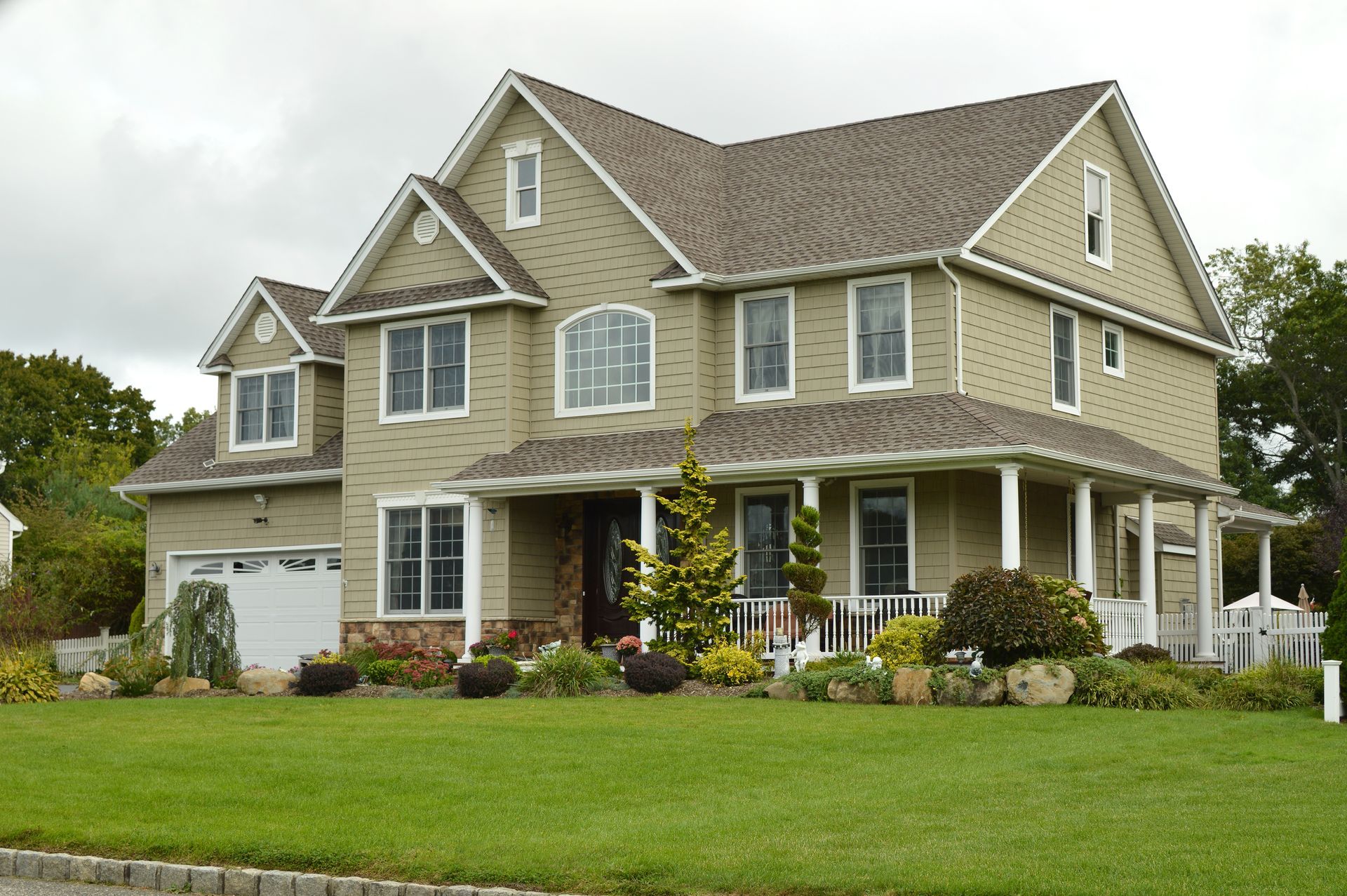
Axis Roof & Gutter · Gig Harbor roof replacement
A Gig Harbor roof can spend months exposed to damp air, rain, wind, and shade from mature trees. Before replacing it, find out where the system is still sound and where weather has started to win.
A closer roof evaluation. Shingle and metal choices. A scope shaped around the property.
Plan around the house, not a generic package
Replacement is worth evaluating when the roof has several aging or damaged areas and another isolated repair would leave too much weak material in place.
Axis Roof & Gutter can assess the existing roof, explain where problems are concentrated, and compare replacement materials with the homeowner. The first decision is whether the roof truly needs a larger reset.
On wooded and moisture-prone properties around Gig Harbor, the scope should pay close attention to drainage, shaded roof sections, penetrations, deck condition, underlayment, and attic airflow. Those details help determine how the new roof will handle the site.

Patterns that can point to a larger problem
A leak tells you to investigate, not automatically to replace everything. Its location, the condition around it, and the history of the roof all help determine the right scale of work.
Leaks that return after repairs, or appear in unrelated parts of the house, may indicate that several roof details are aging at the same time. The source still needs to be traced before deciding on replacement.
If lifting edges, cracks, surface wear, or granule loss are common across multiple slopes, the issue may no longer be limited enough for a small repair.
A roof with deteriorated flashing in several locations, damaged sheathing, or repeated moisture signs may need a more complete solution than replacing a few shingles.
A roof can reach a point where each new repair protects a smaller part of an increasingly worn system. Compare the value of another fix with the value of addressing the roof as a whole.
Age is only one piece of the diagnosis. Exposure, installation, ventilation, tree cover, and maintenance can make two roofs of the same age perform very differently. Judge the present condition.
Compare what each option actually solves
Look at the amount of healthy roof that would remain after a repair. A localized correction makes sense only when the surrounding system can still support it.
| Roof factor | When repair can still work | When replacement deserves consideration |
|---|---|---|
| How concentrated is the damage? | One clearly defined area is affected and nearby materials remain in serviceable condition. | Several slopes or details are showing wear, damage, or repeated water entry. |
| How healthy is the surrounding roof? | The adjacent roof can be worked on without crumbling, tearing, or exposing broader weak areas. | Nearby materials are too worn, brittle, or compromised to support a reliable patch. |
| What has the roof done before? | A known source can be corrected without disturbing large areas or rebuilding several details. | Past leaks have returned or water is entering through more than one roof detail. |
| What problem will still be there afterward? | The repair resolves the known defect without leaving widespread deterioration untouched. | More repairs would continue to spend money around a roof that already has broad condition issues. |
Choose a system that suits the roof shape
Roof pitch, architecture, nearby trees, drainage, and personal design preferences should all influence the material choice. The best-looking option still has to work with the roof geometry.
Architectural asphalt shingles suit many sloped residential roofs and come in a wide range of appearances. Compare the full accessory package, not only the field shingle, because the system details affect performance.
Do not stop at the shingle name. Underlayment, flashing, ventilation, starter courses, and ridge details should be part of the same written scope.
Metal roof systems can provide a crisp, distinct appearance, but it also changes how panels, fasteners, flashings, and penetrations are handled. Roof shape and the chosen panel system need to be considered together.
Movement matters with metal. Panels expand and contract as temperatures change, so the fastening and flashing strategy needs to be appropriate for that product.
Not every roof plane needs the same assembly. Low-slope additions, porches, or transitions may call for a different material. Ask how each surface and tie-in is being addressed.
The new roof is only as good as its hidden details
Replacement work should explain what happens to the layers and components that support the visible roof. Use the estimate to see what will be inspected, replaced, reused, or repaired.
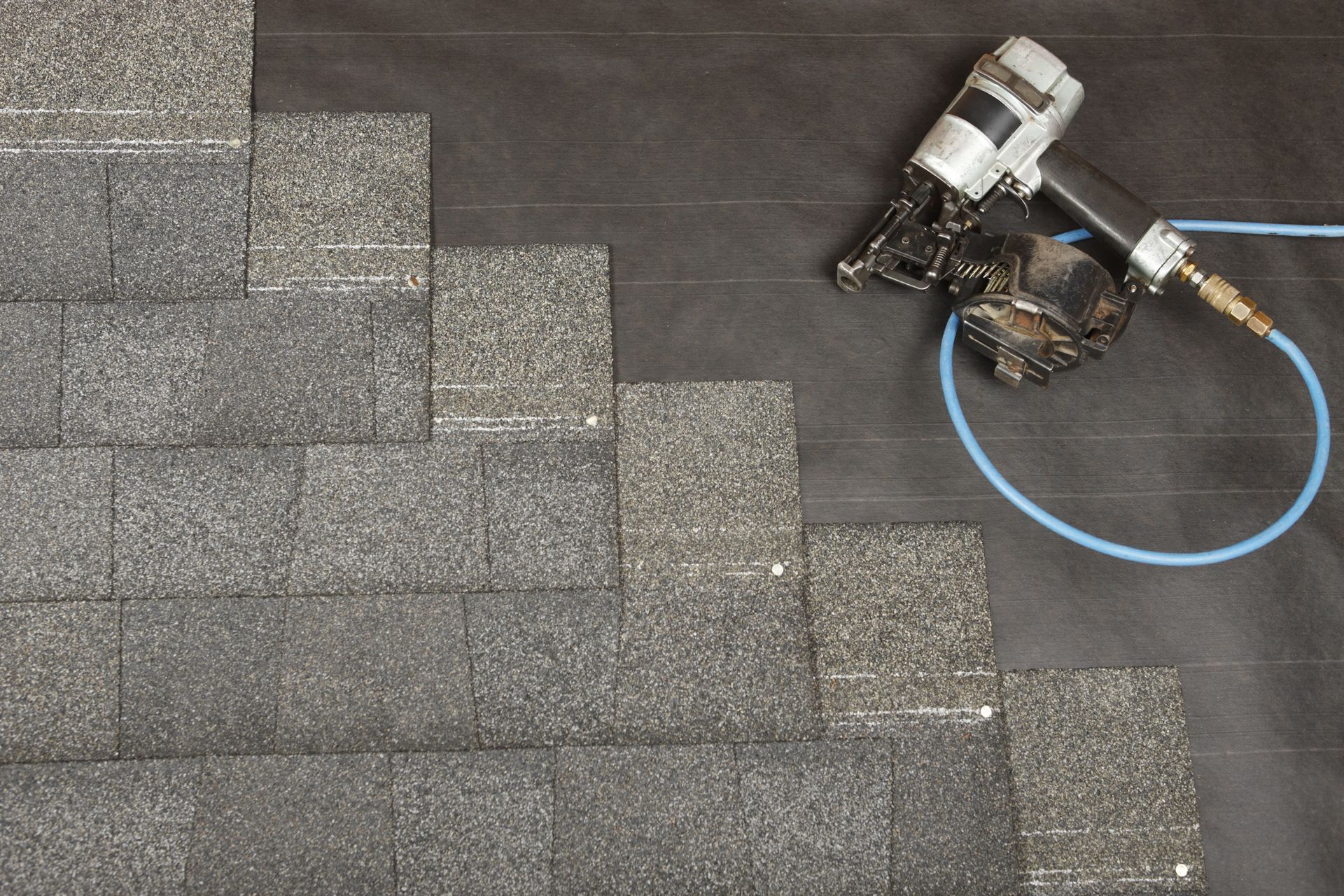
Taking off the old covering creates the opportunity to see the deck directly. The plan should explain how questionable areas are identified and what happens when repairs are needed.
Underlayment sits between the deck and the finished roofing. Valleys, eaves, transitions, and other vulnerable areas may need additional system-specific protection.
Roof penetrations interrupt the main drainage surface. New roofing should integrate with flashing at walls, pipes, chimneys, skylights, and similar openings so water is directed around them.
Intake and exhaust should be evaluated together. Existing vents are not automatically correct for the new system, especially when attic layout or roof geometry complicates airflow.
Heavy rain moves quickly through valleys and off the eaves. Check how those areas connect to drip edges and gutters, especially on roofs shaded by nearby trees.
A defined process reduces surprises
The easier projects are the ones where homeowners know what is happening before materials arrive. Review the scope, site access, property protection, weather decisions, and change-order process up front.
Share leak history, repair history, and any concerns you have noticed. The roof evaluation should show whether the issues are isolated or part of broader aging.
Record the chosen roof system, included accessories, exclusions, and how additional work will be authorized if concealed conditions are uncovered.
Set expectations for deliveries, driveway use, landscaping protection, debris, and weather. Complete the agreed replacement while documenting conditions that change the original plan.
Walk through the finished scope, cleanup, warranty information, and maintenance guidance. Make sure you know who to contact if questions come up afterward.
Think about access before the crew arrives. Move vehicles as requested, secure pets, clear fragile items near the house, and ask where materials and debris will be placed.
Know why the estimate is the number it is
A roof estimate reflects the actual roof area, slope, stories, complexity, material system, access, removal work, and the condition beneath the old covering. Interior square footage alone does not show that workload.
Compare proposals by scope before comparing totals. One estimate may include deck repairs, ventilation work, detailed flashing, or disposal that another quote leaves unclear or excludes.
Request a Gig Harbor Roof Estimate
Master Elite®️
certification from GAF
Axis appears in GAF’s residential contractor directory with Master Elite certification and a President’s Club distinction.
View Axis’s GAF credentialsUse the contractor conversation well
Axis Roof & Gutter provides residential roof replacement in addition to roof repair, gutter, and exterior services. That makes it possible to discuss how the roof edge, gutters, and nearby exterior details interact with the proposed work.
Use the estimate meeting to clear up vague items. Ask which components are included, what will be reused, how concealed damage is handled, and which products are being specified.
Axis is a GAF Master Elite certified contractor and holds a President’s Club distinction. Homeowners considering a qualifying GAF system can ask which manufacturer-backed coverage options are available and what their terms require.
See examples in the Axis project galleryGig Harbor properties bring their own roof variables
Roof needs can vary widely from a wooded lot near the water to a more open property with stronger wind exposure. Roof shape, shade, drainage, and access should guide the replacement details.
Consider which slopes stay shaded, where wind-driven rain reaches the house, and where debris tends to collect. Those patterns help focus the roof evaluation.
Dense tree cover can keep roof surfaces damp longer, while additions or cathedral ceilings can complicate ventilation. The plan should reflect the structure actually present.
Some properties have steep drives, limited staging areas, or landscaping close to the house. Work through delivery, debris, and access needs before the installation date.
Useful answers before you sign
These questions can help Gig Harbor homeowners spot the details that deserve a clear answer before choosing a replacement scope.
Call Axis with questions: 360-653-7663Yes, if the problem is truly localized and the nearby materials are still serviceable. Replacement becomes more reasonable when wear is broad, materials are brittle, or leaks keep appearing in different areas.
Look for the roofing material, removal, underlayment, flashing, ventilation, disposal, and the method for pricing deck repairs or other concealed conditions. A total without scope detail is difficult to compare.
Yes. Roofing crews need workable conditions for tear-off and installation. Roof size, complexity, selected materials, crew planning, and conditions found after removal also affect the schedule.
Expect hammering, vibration, crew movement, and debris handling around the property. Many people remain home, but pets, young children, and anyone sensitive to noise may be more comfortable away during active work.
Tear-off reveals deck conditions and old flashing details that are difficult to judge from the surface. Ask why the proposed removal approach makes sense for your roof and what it means for the new system.
Those components should be evaluated at their connections to the roof. They may be retained, repaired, reflashed, or replaced depending on condition. The proposal should state what is and is not included.
Ask before work starts how damaged decking will be photographed or documented, how the added work is priced, and who approves it. That keeps a concealed condition from becoming an unclear charge.
It can make certain manufacturer-backed options available on qualifying systems. The exact coverage depends on the products and installation, so review the written manufacturer terms and contractor workmanship coverage separately.
Call 360-653-7663 or request a free estimate online. Be ready to describe leaks, visible wear, past repairs, and whether you are comparing asphalt shingles with metal roofing.
Turn roof concerns into a defined plan
Begin with the present roof condition, the way your property handles weather, and a written scope for the work your Gig Harbor home actually needs.


