Leaks have become a recurring maintenance item
A repair can be reasonable once or twice. When water entry keeps returning through different details, the remaining roof deserves a broader review.

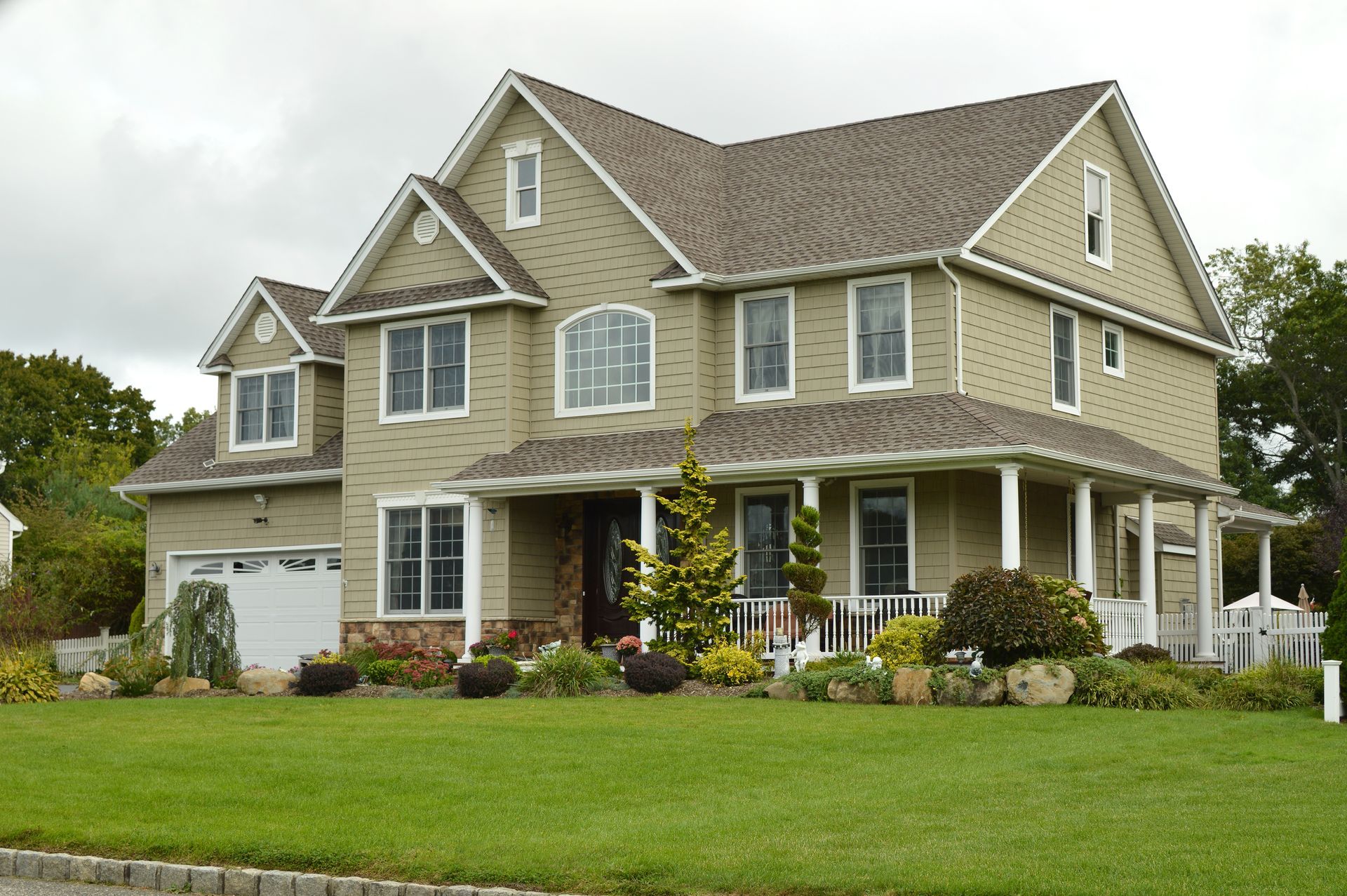
Roof replacement guidance for Lynnwood homeowners
Lynnwood homeowners often deal with steady seasonal rain, sloped lots, and roofs broken up by additions, valleys, or multiple levels. Before choosing a new material, it helps to understand whether the existing roof still has dependable service life left.
Decide from roof evidence before comparing finishes.
Make the decision from the existing roof
Replacement usually enters the conversation when wear is no longer isolated. Repeated leaks, brittle materials, or several failing details can point to a roof-wide issue rather than one repairable spot.
Axis Roof & Gutter can evaluate whether the roof still has a reasonable repair path or whether multiple components are reaching the same decision point. Product selection should come after that review.
For a Lynnwood home, sloped roof drainage, valleys, and gutter discharge on hilly lots should be discussed with the material choice. A new roof performs best when the drainage and ventilation details are planned as one system.

Look for problems that repeat or spread
One ceiling mark can still be a repair issue. The bigger concern is a pattern: recurring water entry, widespread surface wear, weak decking, or repairs that keep moving to new areas.
A repair can be reasonable once or twice. When water entry keeps returning through different details, the remaining roof deserves a broader review.
Widespread brittle shingles, open tabs, worn surfaces, or repeated wind damage suggest the issue is no longer confined to one spot.
Deck softness, stained sheathing, or multiple failed transitions can mean the problem extends below the visible roof covering.
Older, fragile materials may crack or break during repair work. That can make a targeted correction less dependable than it would be on a healthier roof.
Age needs context. Ventilation, installation quality, slope exposure, tree cover, and past maintenance all affect how much useful life remains.
Know when another patch is enough
A repair makes sense when it can solve the defect without depending on fragile roofing around it. Once deterioration extends beyond the repair area, replacement may offer the cleaner path.
| Question to ask | A focused repair may fit | Replacement may fit better |
|---|---|---|
| Longer-term result | The repair solves the known defect while leaving a roof with meaningful service life. | Another patch would leave widespread wear in place and postpone a larger project. |
| Water-entry pattern | The source can be traced and corrected without opening a large portion of the roof. | Water has returned, moved, or appears to involve multiple roof components. |
| Condition beside the defect | Adjacent roofing, flashing, and deck conditions are sound enough to tie in a focused correction. | Nearby materials are brittle, deteriorated, or too compromised to support dependable repair work. |
| Location of the problem | One defect is clearly isolated and the nearby roof remains stable enough for a lasting repair. | Leaks, storm effects, or material wear are appearing in several roof areas. |
Compare materials in the context of the roof
Material selection should consider more than color. Roof geometry, slope, penetrations, valleys, edge details, and the rest of the exterior all affect whether shingles or metal are a good fit.
Architectural shingles remain a common choice for sloped homes because they offer many colors and profiles. Their performance still depends on the complete assembly, including starter, underlayment, flashing, ridge components, and ventilation.
Check the full system: Shingles still rely on sound decking, correctly built flashing, and balanced ventilation. Those items should be part of the replacement scope, not assumptions.
Residential metal changes how many roof transitions are built. Panel profile, coating, attachment method, roof geometry, valleys, sidewalls, and penetrations all need to be matched to the chosen system.
System detail: Metal expands and contracts as temperatures change, so attachment, seam, and flashing details must be designed for the selected panel system.
Do not assume every roof plane uses the same assembly. A porch, addition, or low-slope transition may require a different assembly from the main roof. The proposal should explain how the two areas connect.
The new roof is more than the finish layer
A clear proposal explains more than the visible material. It should show how the deck, water-shedding layers, penetrations, ventilation, and roof edges will be handled.
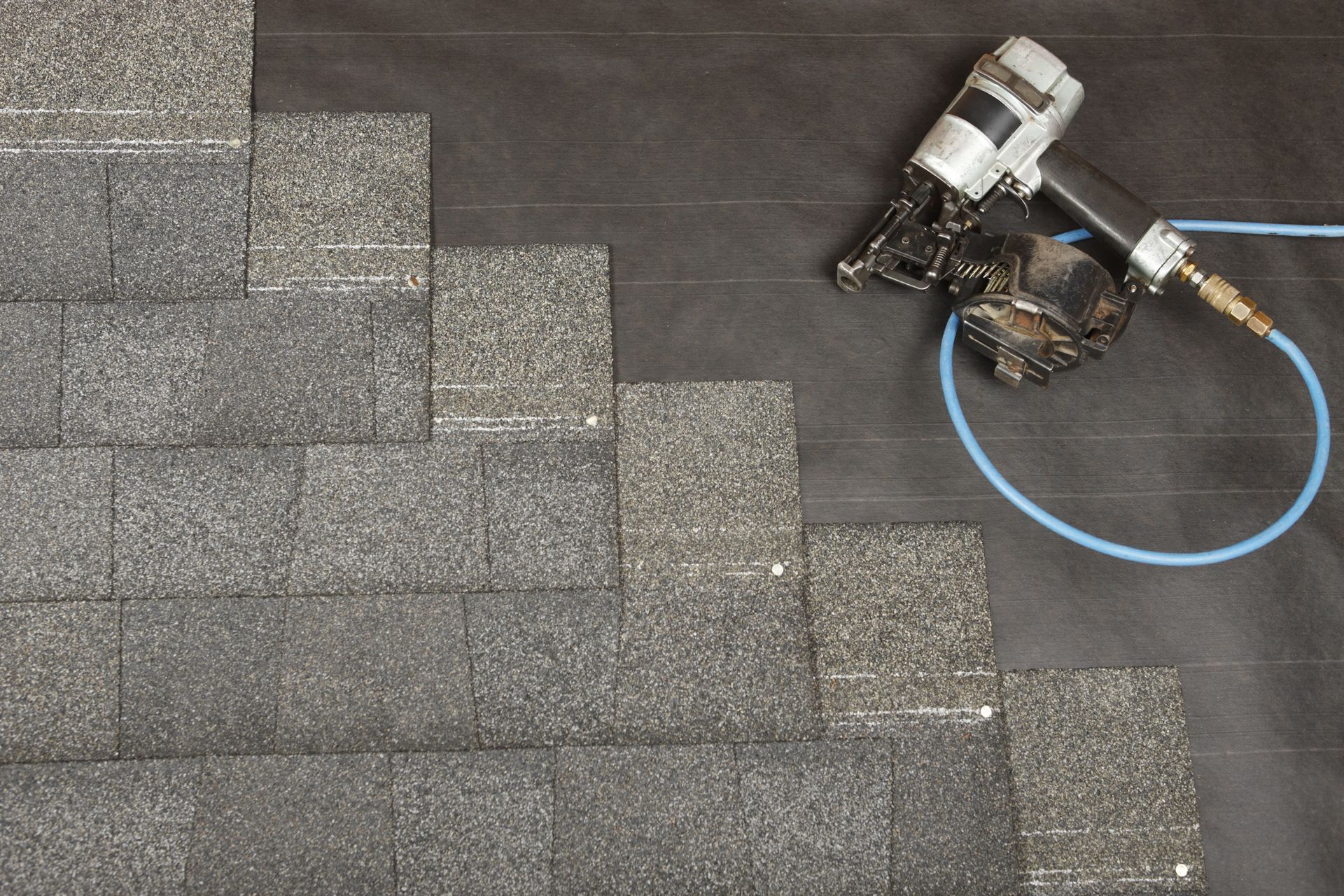
The secondary water-shedding layer should match the roof system. Valleys, eaves, transitions, and other high-risk locations may need added protection.
Chimneys, vents, skylights, and wall intersections interrupt the drainage plane. Each needs flashing that integrates with the new roof rather than simply being covered around.
Ventilation works as a path. The attic layout and roof design determine whether existing intake and exhaust are adequate or need adjustment during replacement.
For Lynnwood, sloped roof drainage, valleys, and gutter discharge on hilly lots deserve a close look. Make sure valleys, drip edges, and gutter transitions move water away without creating backup points.
Removing the old roof exposes the sheathing. Ask how soft, damaged, delaminated, or otherwise unsuitable sections will be identified, documented, and priced.
A clear sequence makes roof work easier
A well-defined sequence helps homeowners prepare for noise, deliveries, debris, and weather changes. The proposal should make the main decisions and responsibilities clear in advance.
Start with the roof’s history and current condition. Identify what is isolated, what is widespread, and whether repairs still have a reliable base.
Define removal, products, accessories, flashing, ventilation, deck contingencies, site protection, and the approval process for changes.
Set delivery and debris locations, protect landscaping and access areas, then install according to the agreed scope while documenting concealed conditions.
Walk the completed project, verify cleanup, collect product and warranty information, and make sure follow-up contacts are clear.
Set the property up for a busy workday. Move vehicles as directed, secure pets, protect fragile items, and confirm where materials, trailers, and debris will be located.
Price follows the roof and the scope
Two homes with similar square footage can have very different roofing scopes. Steep slopes, valleys, stories, access, material systems, and hidden deck repairs can all change the labor and materials involved.
A lower total may simply include less work. Compare how each quote treats removal, deck findings, flashing, ventilation, accessories, disposal, and change approvals.
Request a Lynnwood Roof Estimate
GAF Master Elite®️
certified contractor
GAF’s residential contractor directory lists Axis as a Master Elite contractor and shows its President’s Club distinction.
View Axis’s GAF credentialsA clear proposal should be easy to explain
Axis Roof & Gutter works on replacement, repair, gutters, and related exterior needs. That broader perspective can matter when the roof problem extends to edges, runoff, or wall intersections.
Good roofing paperwork should reduce surprises. Confirm tear-off, specified materials, flashing treatment, ventilation work, deck-change pricing, cleanup, and the approval process for additions.
Because Axis is GAF Master Elite certified and has a President’s Club distinction, homeowners can ask about manufacturer-backed coverage options that may apply to qualifying GAF roofing systems.
View the Axis roofing galleryLocal exposure changes roof priorities
Lynnwood’s rolling terrain and wet-season rainfall make drainage and access worth discussing early. The replacement plan should fit the roof geometry, the site, and the way water is carried from the roof to the ground.
Because Lynnwood has rolling terrain, make sure roof runoff is carried cleanly into gutters and away from areas where water can concentrate near the house.
Shaded slopes may stay wet longer after rain. Check valleys, north-facing areas, ventilation, and places where needles or leaves tend to collect.
Homes with changing roof heights or limited side access need a clear plan for ladders, material movement, debris, and protection of nearby landscaping.
Common questions before a full replacement
Use these questions to organize your estimate conversation and make sure the proposal covers the roof details that matter for your Lynnwood property.
Talk with Axis: 360-653-7663Often, yes. If the source is clear and the surrounding roof has useful life, a targeted repair may be appropriate. Replacement becomes more practical when wear or leak history is widespread.
Compare tear-off, underlayment, flashing, ventilation, deck-repair terms, accessories, disposal, site protection, cleanup, and the exact roofing products in each proposal.
The contractor should have a weather plan for tear-off and temporary protection. Ask how much roof is opened at one time and how schedule changes are communicated.
Yes. Tear-off and installation create vibration and significant noise. Secure fragile items, plan around pets or remote work, and keep children away from exterior work zones.
Tear-off exposes the sheathing so soft, damaged, or unsuitable areas can be identified. That gives the new system a sound surface and makes hidden work easier to document.
They may stay if they are serviceable and can be protected during the work. The roof-edge details and gutter attachment should be reviewed so any needed changes are included rather than assumed.
A good proposal explains the unit or method used to price additional sheathing and how the crew will show you the condition before doing work beyond the original scope.
Manufacturer coverage generally applies to qualifying roofing products under its terms, while contractor workmanship coverage addresses installation work. Review each document separately.
Call 360-653-7663 or request a free estimate online. That context helps focus the inspection.
Start with a roof-specific evaluation
Discuss what you are seeing now, what has been repaired before, and what you want from the next roof so the estimate can be built around your Lynnwood property.


