Different areas of the house develop leaks
When water appears in separate rooms or after multiple previous repairs, it can suggest more than one vulnerable roof detail. A broader inspection helps connect those clues.

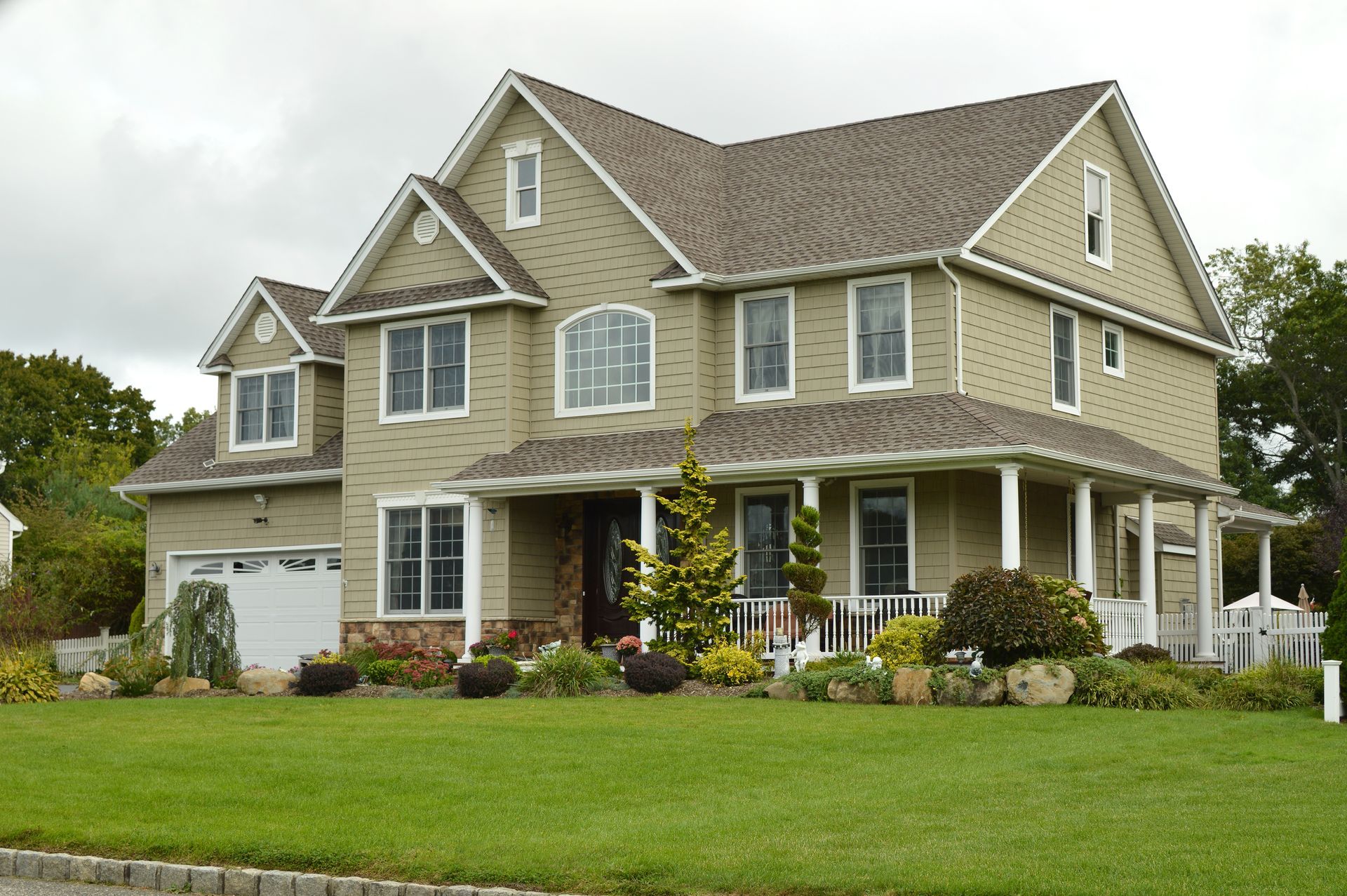
Axis Roof & Gutter | Maple Valley roof replacement
Tree cover, damp roof sections, and repeated repairs can make it hard to judge when a roof has moved past a simple fix. Maple Valley homeowners benefit from looking at the roof surface and the hidden system underneath before making the call.
A replacement should correct the weak system details, not just refresh the exterior.
Replacement starts with understanding what is worn out
A roof does not need replacement because it reached a certain birthday. The better reasons are visible deterioration, repeat leaks, weak surrounding materials, or multiple system details that are no longer working reliably together.
Axis Roof & Gutter can review the roof condition and help determine whether a repair still has a solid foundation around it. When replacement is the better fit, the proposal should cover more than the outer roofing material.
Maple Valley properties can have wooded surroundings and shaded roof areas that hold moisture and debris. That makes roof drainage, valleys, edge details, flashing, and attic ventilation especially useful topics to review before tear-off.

Watch for wear that shows up in more than one place
A missing shingle or one flashing leak can often be repaired. Replacement becomes a more practical conversation when damage, material wear, or moisture concerns begin to repeat across the roof.
When water appears in separate rooms or after multiple previous repairs, it can suggest more than one vulnerable roof detail. A broader inspection helps connect those clues.
Cracks, lifted corners, brittle surfaces, and heavy granule loss across several slopes can reduce the amount of healthy material available for repairs.
Soft sheathing, damp areas, or recurring flashing failures can mean the problem extends below the visible roof covering.
If each repair is followed by another issue on the same aging roof, replacement may provide a more complete solution than continuing to chase individual symptoms.
Condition is more useful than a simple age rule. Shade, tree debris, airflow, installation quality, past repairs, and maintenance can speed up or slow down roof wear. Judge the roof you have, not an average lifespan number.
A good repair needs healthy roofing around it
A patch can correct a local defect, but it cannot make worn surrounding material new again. The decision should consider how much reliable roof remains after the repair is complete.
| What to evaluate | Repair can fit when | Replacement can fit better when |
|---|---|---|
| Extent of damage | The problem is contained and nearby areas remain in good condition. | Wear, leakage, or damage is spread across several roof sections. |
| Repairability of surrounding roofing | The nearby surface can be lifted, tied in, and resealed without breaking down. | Existing materials are too brittle or compromised to support a clean repair. |
| Clarity of the water path | There is a traceable leak source with a focused correction. | Water is entering through several possible paths or has returned after prior fixes. |
| Condition left after the work | The repaired section will sit within a roof that still has meaningful service life. | The repair would sit inside a roof with known broad deterioration and likely near-term needs. |
The roof material has to work with the roof shape
Shingles and metal can both be part of a residential replacement, but they are installed differently and respond differently to roof geometry. Choose with the slopes, transitions, ventilation, drainage, and exterior design in mind.
Architectural shingles provide a layered appearance and many design options for sloped roofs. The finished system also includes starter materials, ridge components, underlayment, flashing, and ventilation details that belong in the quote.
Treat shingles as part of a system: The best shingle cannot compensate for damaged decking, weak ventilation, or unresolved flashing trouble. Those conditions should be handled during replacement.
A metal roof changes the visual profile and the way water is managed at seams, edges, valleys, and penetrations. Roof shape and panel selection influence how the system is attached and flashed.
Connection details are critical: Because metal responds to temperature changes, fasteners, seams, and flashings should be designed to allow the selected system to move as intended.
A low-slope extension may not match the main roof material. Porches and additions sometimes need another assembly. The replacement scope should identify the correct roofing for each pitch and explain the tie-in between different surfaces.
Build the replacement from the deck outward
The outer covering gets the attention, but long-term performance also depends on sheathing, underlayment, flashing, ventilation, valleys, and edge drainage. Each should have a defined place in the scope.
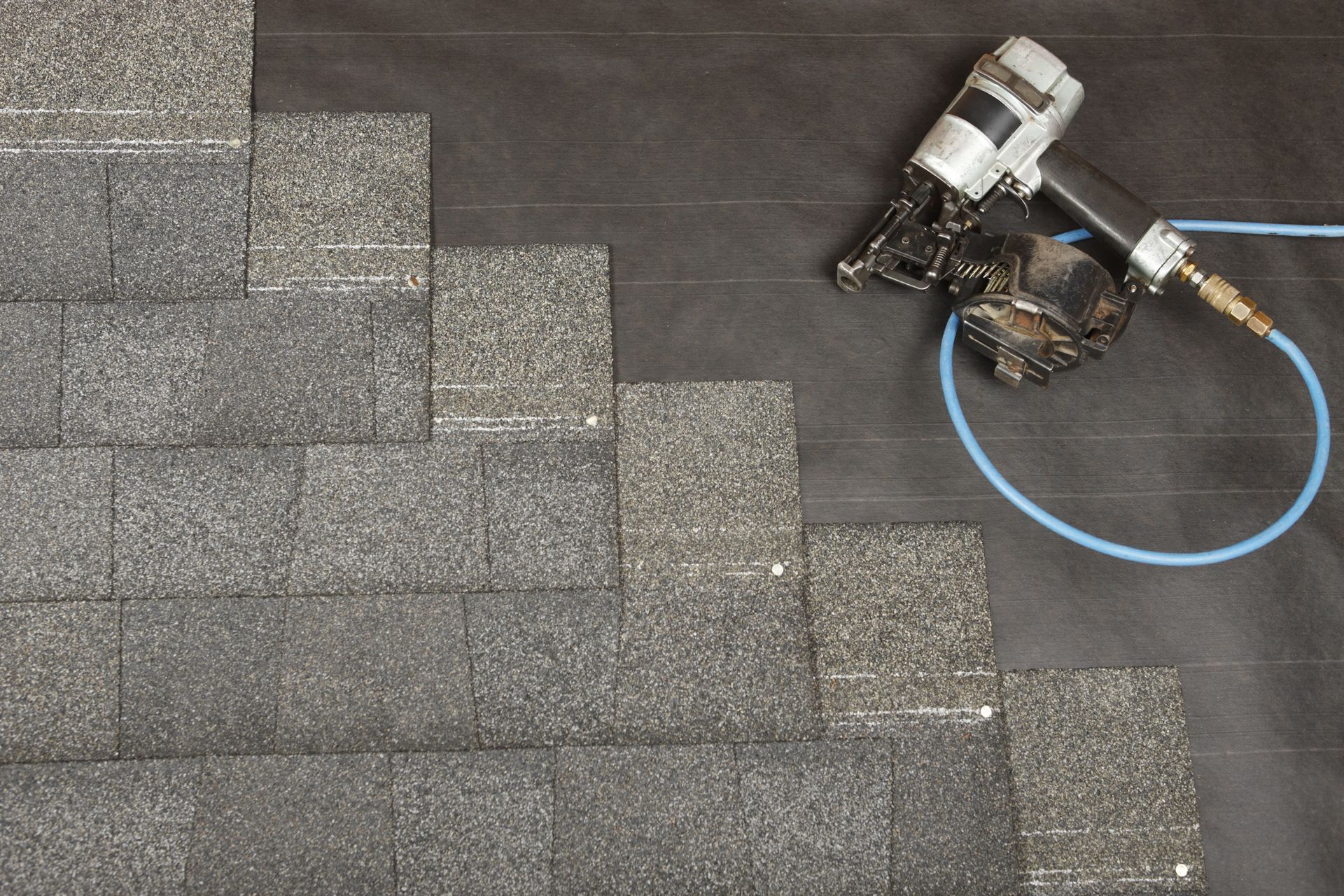
Tear-off is the first opportunity to inspect the full sheathing surface directly. Unsound areas need to be identified before underlayment and new roofing are installed.
The layer beneath shingles or metal provides secondary protection. Eaves, valleys, and transitions may need system-specific products or added attention.
Chimneys, vents, walls, and skylights need properly integrated flashing so water is directed away from openings and back onto the roof surface.
Intake and exhaust ventilation should be considered together. Roof replacement is a good time to verify that the existing vent approach still matches the attic and roof layout.
Water can concentrate quickly in valleys and at lower roof edges. Drip edge and gutter connections should support a clean path off the roof.
Know which decisions happen before and after tear-off
Replacement is easier to manage when the homeowner knows what is fixed in the proposal and what can only be confirmed once the old roof is removed. Clear decision points prevent surprises.
Document known leaks, previous fixes, visible wear, and what you want from the new roof. The goal is to understand the current system before selecting the next one.
List the roof material, accessories, flashing, ventilation, removal, cleanup, and any exclusions. Include a process for hidden deck conditions that may be discovered later.
Coordinate delivery, parking, landscaping protection, debris handling, and weather planning. Tear-off then exposes the deck so any needed corrections can be made before installation continues.
Finish with cleanup, a review of the installed work, product documents, care information, and clear contact details for future questions.
Prepare the house for a noisy workday. Roof removal can create vibration. Secure fragile belongings, move vehicles as directed, protect outdoor items, and keep pets and children away from active work areas.
Every roof creates its own project scope
The cost is shaped by the roof itself: surface area, slope, stories, valleys, material, access, removal, flashing, ventilation, and what is discovered under the existing covering. Two similar-looking homes can require different work.
A useful comparison looks past the total and into the line items. Check what is included for tear-off, disposal, deck work, underlayment, accessories, flashings, vents, and roof-edge details.
Request a Maple Valley Roof Estimate
GAF Master Elite(R)
certified contractor
GAF identifies Axis Roof & Gutter as a Master Elite residential contractor and notes its President's Club distinction.
Check Axis credentials through GAFA clear proposal makes comparison easier
Axis Roof & Gutter handles residential roof replacement and repair as well as gutter and exterior services. That can help when the roofing project connects to drainage or another exterior detail.
The proposal should make the decisions visible. Look for the roof system, accessory products, removal scope, flashing, ventilation, cleanup, and the approval process for unexpected conditions.
Axis is GAF Master Elite certified and holds a President's Club distinction. If a GAF system is under consideration, ask which manufacturer-backed options may apply and review the requirements and terms for the selected products.
View examples in the Axis roofing galleryWooded surroundings can change how a roof ages
Maple Valley homes can sit near mature trees and shaded areas where leaves, needles, and moisture collect. A replacement plan should account for drainage, debris paths, roof ventilation, and the parts of the roof that receive less sun.
Leaves and needles can gather in valleys and gutters. Before replacement, identify where debris tends to collect and make sure roof edges and water paths are easy to maintain.
North-facing or tree-covered slopes may stay damp longer after rain. Material condition and airflow should be reviewed with those exposure differences in mind.
Garages, additions, detached structures, fences, and planted areas can affect staging. A practical plan should address access and protection for each roof section.
Questions to ask before a Maple Valley replacement
Use these questions to prepare for a roof estimate, understand the proposed work, and compare replacement options for a Maple Valley home.
Talk with Axis: 360-653-7663Possibly. A section repair can work when the problem is truly local and the surrounding roof remains flexible and serviceable. Replacement becomes more likely when wear is broad or repairs keep recurring.
Contractors may specify different materials, accessory systems, removal scopes, flashing work, ventilation, deck repair terms, and site logistics. Compare the written details instead of only the total price.
The crew needs safe, workable conditions for tear-off and installation. Weather planning is part of the schedule, along with roof complexity, material delivery, crew sequence, and hidden conditions.
Yes. Follow parking and access instructions, secure pets, move outdoor furniture or fragile items when requested, and expect vibration inside the home during tear-off.
Removal allows the deck and old transition details to be checked directly. It also makes it possible to address unsuitable materials before the new roof system is installed.
Not automatically. Gutters should be evaluated at the roof edge, but any repair, removal, adjustment, or replacement should be listed separately so the scope is clear.
Damaged or unsuitable deck sections may need replacement before roofing continues. Ask how the condition will be documented, priced, and approved before extra work is performed.
Separate manufacturer product coverage from contractor workmanship coverage. Review eligibility, registration, exclusions, transfer rules, and any system components required for specific coverage.
Call 360-653-7663 or request a free estimate online. Share where you have seen leaks or wear, any repair history, and the roof materials you are considering so the estimate conversation starts with useful details.
Build the next step around the roof in front of you
Start with the condition of the existing roof and the details you want the new system to solve. Axis can help you compare the scope before you commit to a material or replacement plan.


