New stains after rain
Fresh discoloration on a ceiling or damp sheathing in the attic can be the first visible clue. Because water can travel along framing or decking, the roof opening may not sit directly above the stain.

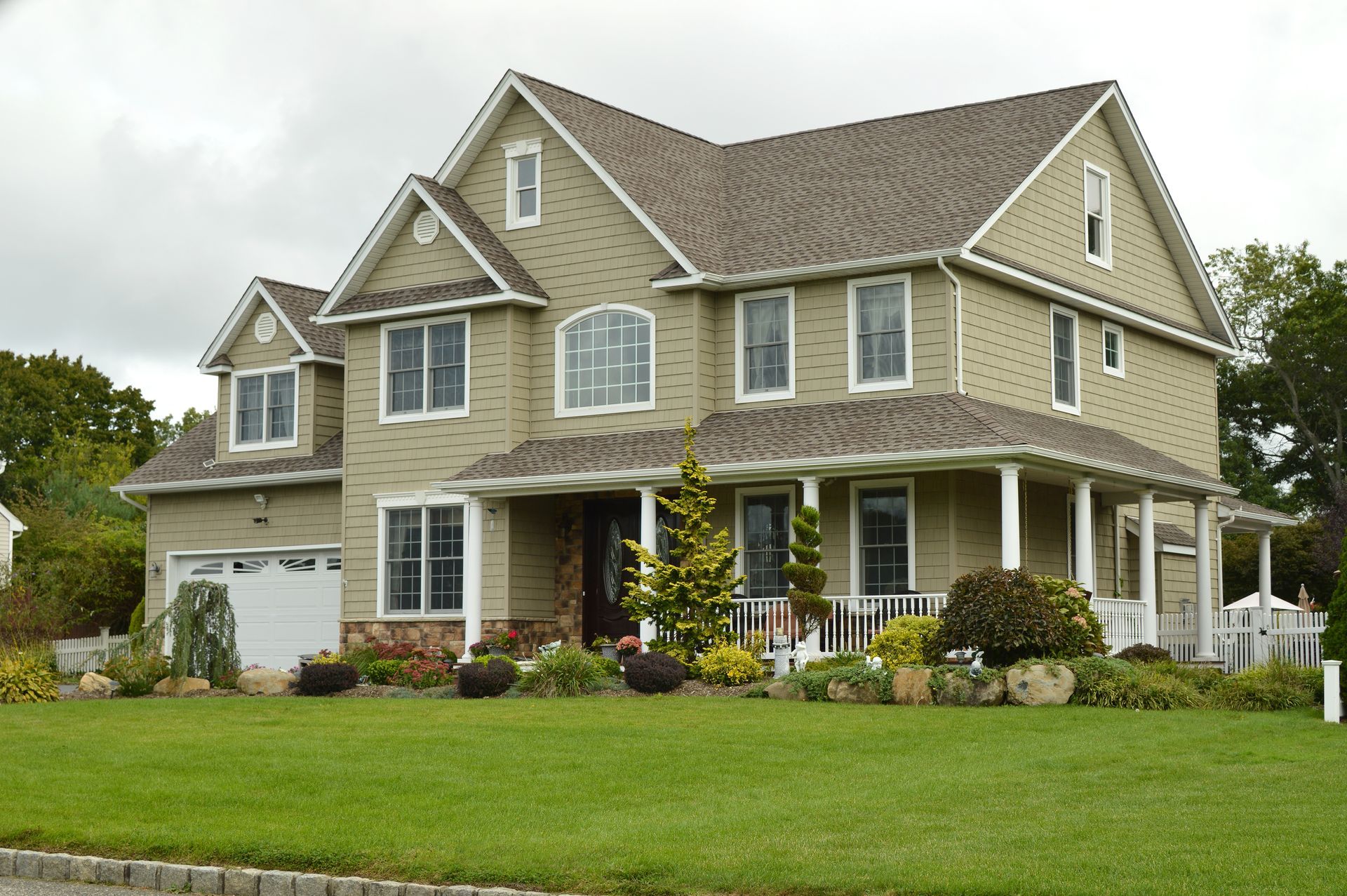
Axis Roof & Gutter · Marysville roof repair
A drip in the attic or a damaged patch of roofing does not automatically mean the entire roof has failed. The first job is to locate the entry point, check the materials around it, and see whether a focused repair makes sense.
Leak source checks. Shingle and metal repairs. A repair plan based on what the roof is actually doing.
Fix the source, not just the visible symptom.
The right roof repair solves a defined problem without disturbing more of the roof than the work requires.
Axis Roof & Gutter evaluates leaks, damaged shingles, metal-roof details, flashing issues, and other localized concerns for homeowners. The important part is understanding what failed and how far the affected area extends before the repair is scoped.
During rainy periods, water can work into roof-to-wall joints, vents, valleys, and edges before showing up indoors. A Marysville roof repair estimate should explain the likely source, the surrounding material that must be tied back in, and any concealed condition that could change the work.
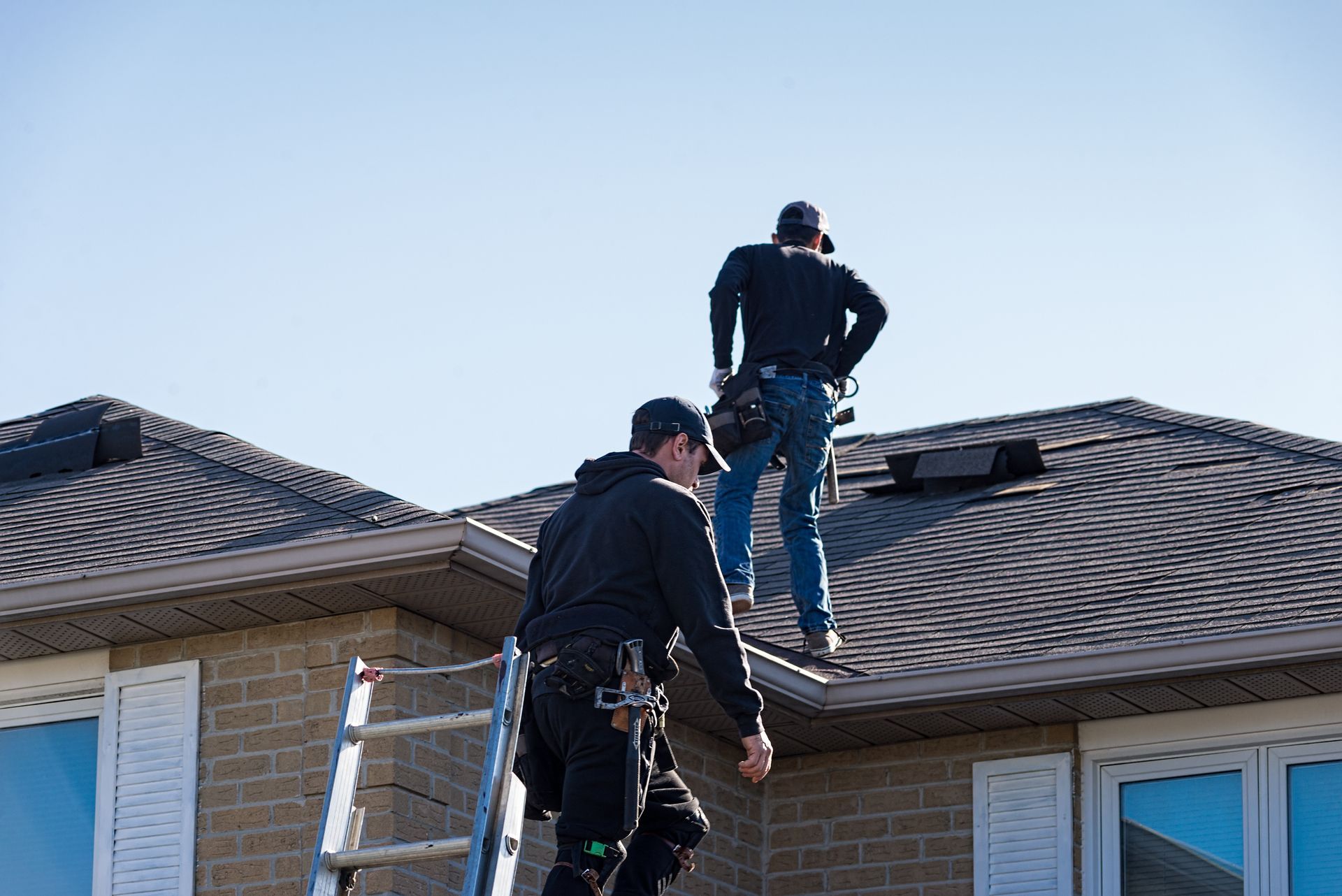
Small clues can point to a larger roof issue
A ceiling mark, a displaced shingle, or a change in roof drainage is worth checking before repeated wet weather gives the problem more room to spread.
Fresh discoloration on a ceiling or damp sheathing in the attic can be the first visible clue. Because water can travel along framing or decking, the roof opening may not sit directly above the stain.
One damaged area can sometimes be repaired when the surrounding shingles are still flexible and well attached. If wear is spread across the slope, a small patch may not solve the bigger issue.
Flashing at sidewalls, chimneys, vents, and skylights is meant to move water back onto the roof surface. A lifted edge or poorly sealed transition can leak even when the field shingles look intact.
Granules, leaves, needles, or concentrated runoff can collect near valleys and eaves. When drainage slows down, water may stay against vulnerable roof details longer than it should.
Follow the water path before deciding on the repair. The indoor mark is only one part of the picture. Roof covering, flashing, deck condition, drainage, and attic moisture all help explain what kind of work is appropriate.
Use the roof condition to set the scope
A targeted repair is most useful when the problem has a clear source and there is enough sound roofing around it to integrate the new work. The points below help separate a repairable area from a broader roof concern.
| Repair question | Signs a focused repair may work | Signs the scope may need to be larger |
|---|---|---|
| How concentrated is the damage? | The failure is limited to one reachable roof detail or a small section of material. | Damage continues across several roof planes, transitions, or adjoining areas. |
| What is the nearby roofing like? | Adjacent shingles, panels, and flashing remain stable enough to accept a proper tie-in. | Nearby material is brittle, loose, heavily worn, or no longer suitable for integration. |
| Can the leak source be identified? | Interior clues and roof conditions point to one opening, penetration, or failed transition. | Moisture appears in several areas or keeps returning after unrelated patch work. |
| What will the repair leave behind? | Correcting the failed detail leaves the neighboring roof area in serviceable condition. | A patch would sit next to other known weak points or widespread deterioration. |
Repair details should match the installed roof
The repair method should fit the roof that is already on the house. Asphalt shingles and metal panels are built and fastened differently, so the diagnosis and tie-in details should reflect the actual system.
A shingle repair can involve replacing torn or missing shingles, reopening a small area to correct flashing, or rebuilding a damaged section around a vent or transition. The surrounding courses need to be in good enough shape to lift and reseal without creating new damage.
Appearance note: New shingles can look different beside material that has weathered for years. A secure tie-in and proper water shedding are more important than an exact color match.
Metal roof problems may involve a loose fastener, a seam, a penetration, flashing, or a damaged panel section. The repair should account for the panel profile, attachment method, finish, and normal movement of the metal.
Do not rely on sealant alone: If movement, attachment, or flashing is the real failure, coating the surface may only hide the problem for a short time.
Pay attention to additions and low-slope transitions. A leak can start where a porch, addition, or lower roof meets the main roof. That junction should be part of the inspection instead of assuming the main roof surface is responsible.
A roof leak can involve several connected layers
The visible damage may involve more than the top layer of roofing. A clear scope should identify the failed component, what needs to be opened, and how the repaired area will move water away once the work is complete.
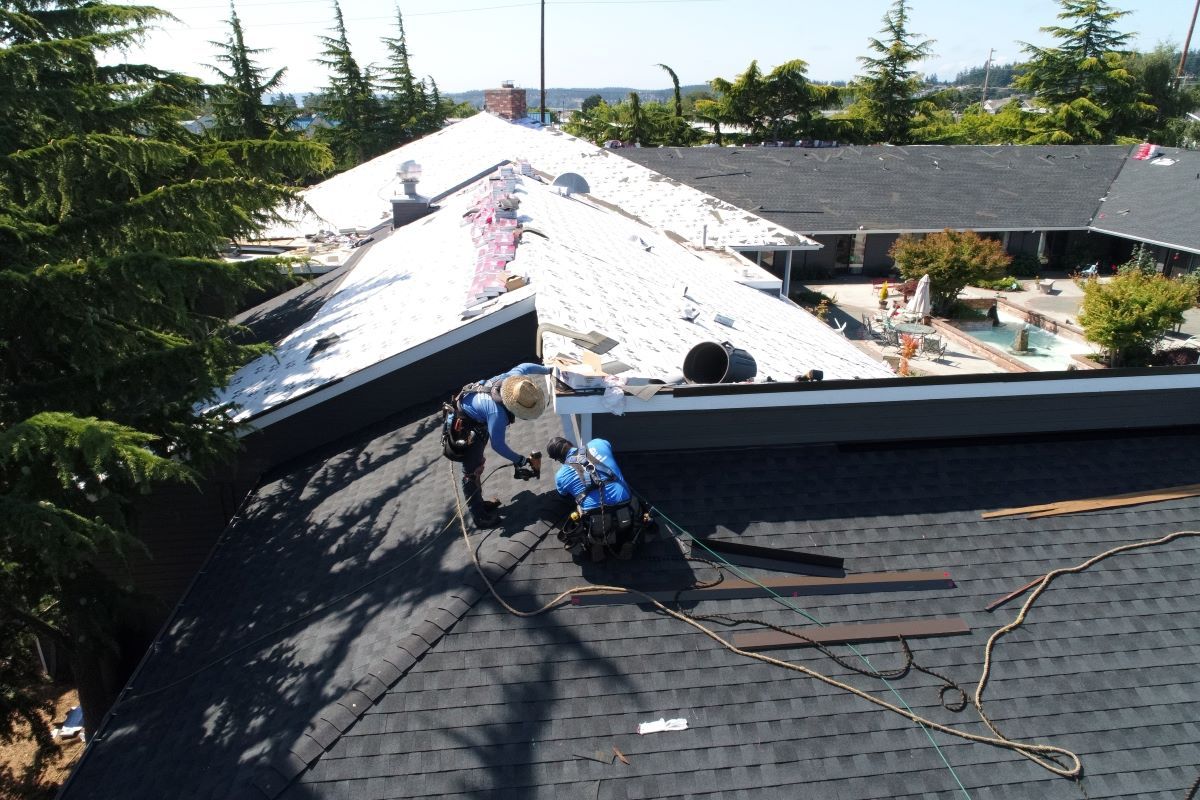
The repair needs sound material on each side of the problem. Nearby shingles or panels should be checked for cracking, looseness, wear, or other conditions that could weaken the new tie-in.
Opening the roof can reveal damp sheathing or underlayment damage that was hidden from view. The proposal should explain how those findings will be handled if they appear.
Sidewalls, chimneys, plumbing vents, and skylights rely on layered flashing. Repairing those areas means restoring the water path, not simply covering the joint with surface sealant.
Not every ceiling mark is caused by rain entering the roof. When the pattern is unclear, attic humidity, intake, and exhaust conditions may need to be considered alongside exterior leak points.
Valleys and roof edges carry concentrated runoff. Debris or a weak edge detail can hold water near a small opening and turn it into a repeat leak.
Know how the repair moves from diagnosis to completion
A repair is easier to approve when the contractor explains what is being checked, what the written scope covers, and how unexpected damage will be handled if the roof is opened.
Point out ceiling stains, attic dampness, missing material, or the conditions when the leak appears. Exterior and accessible interior clues can then be compared to narrow down the likely entry point.
Review the area to be opened, the materials planned, any exclusions, and the process for approving extra work. The scope should describe the repair, not just call it a patch.
Set up safe access, protect nearby areas, and complete the agreed work with materials that fit the existing roof. Dry conditions may be needed before roofing can be opened and sealed.
Look over the finished section and any photos or notes from the work. Ask what to watch during the next rain and what information to provide if the original symptom returns.
Help the crew find the right area quickly: Before work starts, move vehicles or outdoor items away from the access zone, keep pets and children clear of ladders, and show the crew any indoor stains that may help with leak tracing.
Repair price follows the work required to reach the failure
Roof repair cost depends on the roof layout, material type, access, damaged area, and how much roofing has to be opened to correct the cause. A small stain inside can still lead to a larger repair area on the roof.
When comparing estimates, look at the stated problem and the proposed fix. The lowest number is not very useful if the scope leaves out flashing, deck damage, tie-in work, or a plan for concealed conditions.
Request My Marysville Roof Repair Estimate
GAF Master Elite®️
roofing contractor
Axis appears in GAF’s residential contractor directory as a Master Elite contractor and is listed with a President’s Club distinction.
Review Axis’s GAF credentialsAsk for a roof-specific explanation before work begins
Axis Roof & Gutter handles roof repair as well as residential roof replacement, gutter work, and exterior services. That wider view can be useful when water near an eave involves both roofing and drainage details.
A useful estimate should identify the suspected cause, mark the planned work area, and explain how the scope changes if hidden damage extends beyond what can be seen.
GAF certification may affect product and warranty options on qualifying roofing systems. For a repair, review the written terms that apply to the exact materials and workmanship included in your proposal.
View the Axis roofing project galleryThink about runoff, shade, and roof transitions
Even neighboring houses can develop leaks for completely different reasons. Roof shape, shaded areas, valleys, wall intersections, and the route water takes to the gutters can all change what needs to be repaired.
Valleys, sidewalls, and other transitions collect or redirect water. During wind-driven rain, a small weakness in one of these details can show up as a leak farther inside the house.
Leaves and needles can slow drainage and hide damaged roof details. Keeping these areas clear also makes it easier to inspect the shingles, metal, flashing, and roof edge.
Fences, landscaping, driveway locations, roof height, and nearby structures can affect ladder placement and debris control. Those access details are worth reviewing before repair day.
Straight answers before you approve roof work
Most repair decisions come down to three things: where the failure is, how healthy the nearby roof is, and what the proposed repair will leave in place. These questions can help you evaluate the scope.
Ask Axis: 360-653-7663It can be possible when the leak has a defined source and the surrounding roofing is still in serviceable condition. The contractor should consider the roof surface, flashing, nearby materials, and any accessible interior clues before recommending the scope.
Pricing depends on access, roof material, repair size, flashing complexity, and whether the deck or underlayment is damaged. A useful estimate explains what is included and how additional work would be handled if concealed damage is found.
Yes, sometimes. A small shingle repair can make sense when the surrounding courses are still flexible and well attached. If nearby shingles break easily or show widespread wear, the recommended scope may be larger.
Water can move along decking, rafters, fasteners, insulation, and other surfaces before it becomes visible on a ceiling. That is why leak tracing should compare the indoor stain with roof details above and around it.
Yes. Flashing that connects to the damaged area should be inspected for movement, corrosion, gaps, or poor integration. Some flashing may remain usable, while failed pieces may need to be corrected as part of the repair.
It can. Overflow, blocked drainage, or trouble where the roof meets the gutter can keep water near eaves and adjoining materials. That connection is worth checking when stains appear near exterior walls or the roof perimeter.
The affected sheathing may need repair or replacement before the roof covering can be restored. Ask how the condition will be documented, how extra work is priced, and how approval is obtained before the scope changes.
Ask what written coverage applies to the contractor’s repair work and to any new products installed. Repair terms may differ from coverage for a complete roof system, so review the exact exclusions and responsibilities.
Call 360-653-7663 or request a free estimate online. Share where you have noticed damage or moisture, when it appears, and any previous repair history you know. Those details can help the team focus the initial evaluation.
Get the roof problem clearly defined
Start with the leak, damaged area, or roof detail that concerns you. Axis can help you understand what a focused repair should address and what belongs in the written scope.


