Repairs keep returning in different places
If leaks move from one room to another or new repair areas keep appearing, the roof may have several weak points rather than one isolated defect.

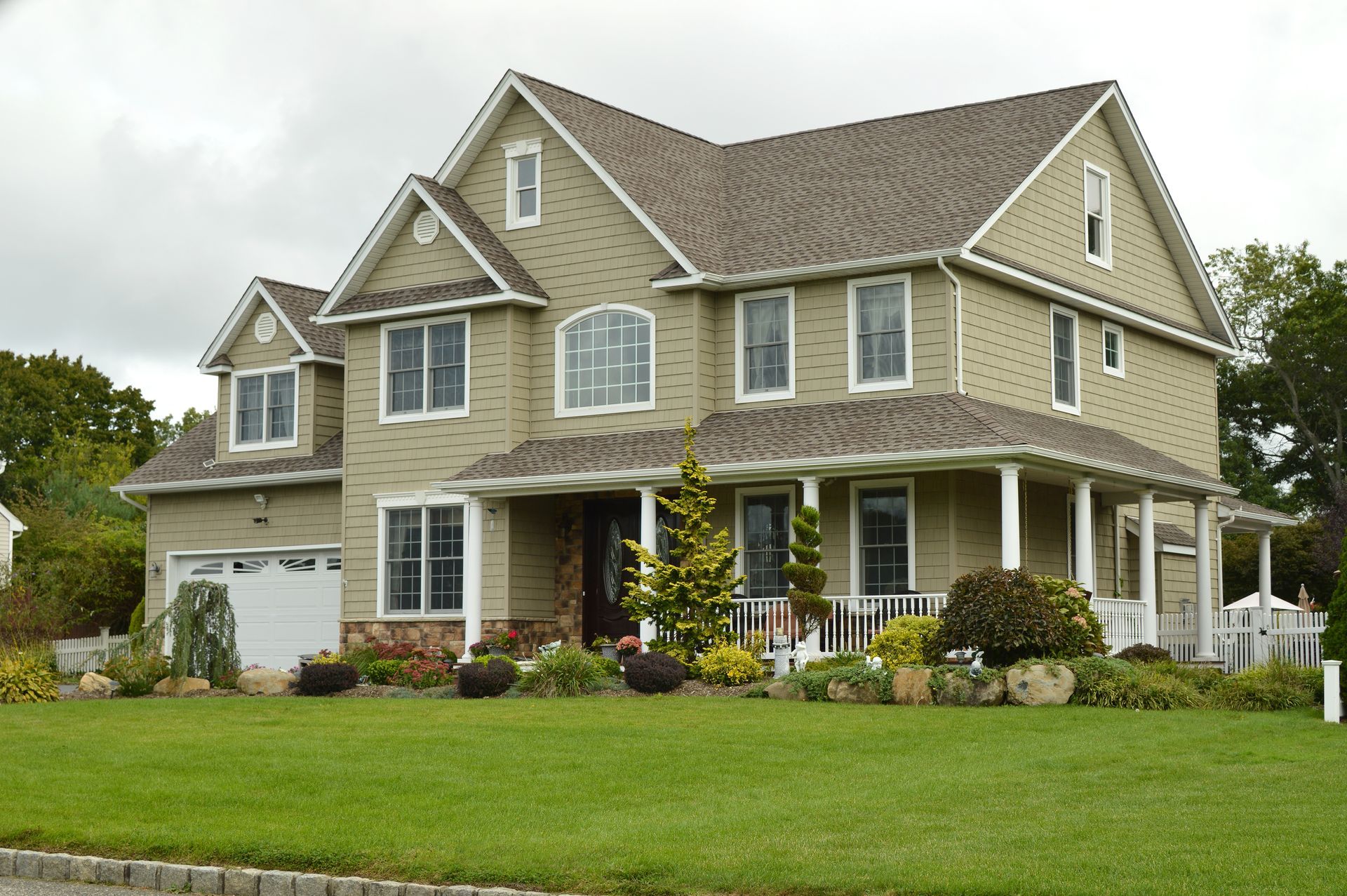
Marysville roof replacement planning
Marysville roofs see long wet periods, changing winter weather, and neighborhoods that range from flatter ground to rolling terrain. A replacement decision should begin with how the entire roof is aging, not with one stain or one damaged shingle.
Start with condition, then choose materials and scope.
Start with present roof condition
A full replacement becomes worth considering when deterioration is spread across several areas, previous repairs are multiplying, or the roof no longer offers a sound base for another targeted fix.
Axis Roof & Gutter can help sort out what is localized and what is system-wide. That means looking at the visible covering along with flashing, deck condition, penetrations, ventilation, and previous repair areas.
In Marysville, wet, cloudy winters and shifting Puget Sound Convergence Zone weather make moisture management part of the replacement discussion. The underlayment, valleys, penetrations, ventilation, and runoff path deserve the same attention as the finished roof covering.

Patterns matter more than one symptom
A single problem does not automatically call for a new roof. Replacement becomes more reasonable when several conditions point in the same direction and the remaining materials no longer support a durable repair.
If leaks move from one room to another or new repair areas keep appearing, the roof may have several weak points rather than one isolated defect.
Cracking, curling, lifting, or heavy granule loss on multiple slopes can indicate broad aging that a small repair will not correct.
Soft sheathing, recurring flashing trouble, or moisture found in more than one area can turn a surface issue into a system-level decision.
When patches become frequent and the surrounding materials continue to decline, more repair work may only delay a larger project.
Do not use roof age by itself. Installation quality, ventilation, shade, weather exposure, and repair history can make two roofs of the same age perform very differently.
Choose the scope that will hold up
The key question is whether a repair can tie into roofing that is still healthy enough to perform. If the surrounding materials are worn out, a technically possible patch may still be a poor long-term choice.
| Question to ask | A focused repair may fit | Replacement may fit better |
|---|---|---|
| Location of the problem | One defect is clearly isolated and the nearby roof remains stable enough for a lasting repair. | Leaks, storm effects, or material wear are appearing in several roof areas. |
| Condition beside the defect | Adjacent roofing, flashing, and deck conditions are sound enough to tie in a focused correction. | Nearby materials are brittle, deteriorated, or too compromised to support dependable repair work. |
| Water-entry pattern | The source can be traced and corrected without opening a large portion of the roof. | Water has returned, moved, or appears to involve multiple roof components. |
| Longer-term result | The repair solves the known defect while leaving a roof with meaningful service life. | Another patch would leave widespread wear in place and postpone a larger project. |
Choose a system that fits the house
Roof pitch, roof shape, drainage details, appearance goals, and maintenance expectations all influence material choice. The best option is the one that fits the house and can be detailed correctly at every transition.
Architectural shingles remain a common choice for sloped homes because they offer many colors and profiles. Their performance still depends on the complete assembly, including starter, underlayment, flashing, ridge components, and ventilation.
Keep in the scope: Shingles still rely on sound decking, correctly built flashing, and balanced ventilation. Those items should be part of the replacement scope, not assumptions.
Residential metal changes how many roof transitions are built. Panel profile, coating, attachment method, roof geometry, valleys, sidewalls, and penetrations all need to be matched to the chosen system.
Detail to review: Metal expands and contracts as temperatures change, so attachment, seam, and flashing details must be designed for the selected panel system.
Plan mixed roof pitches deliberately. A porch, addition, or low-slope transition may require a different assembly from the main roof. The proposal should explain how the two areas connect.
What sits underneath matters
Use the written estimate to understand what happens to every major component after tear-off. The roof covering, deck, underlayment, flashing, ventilation, and edge drainage should work together.
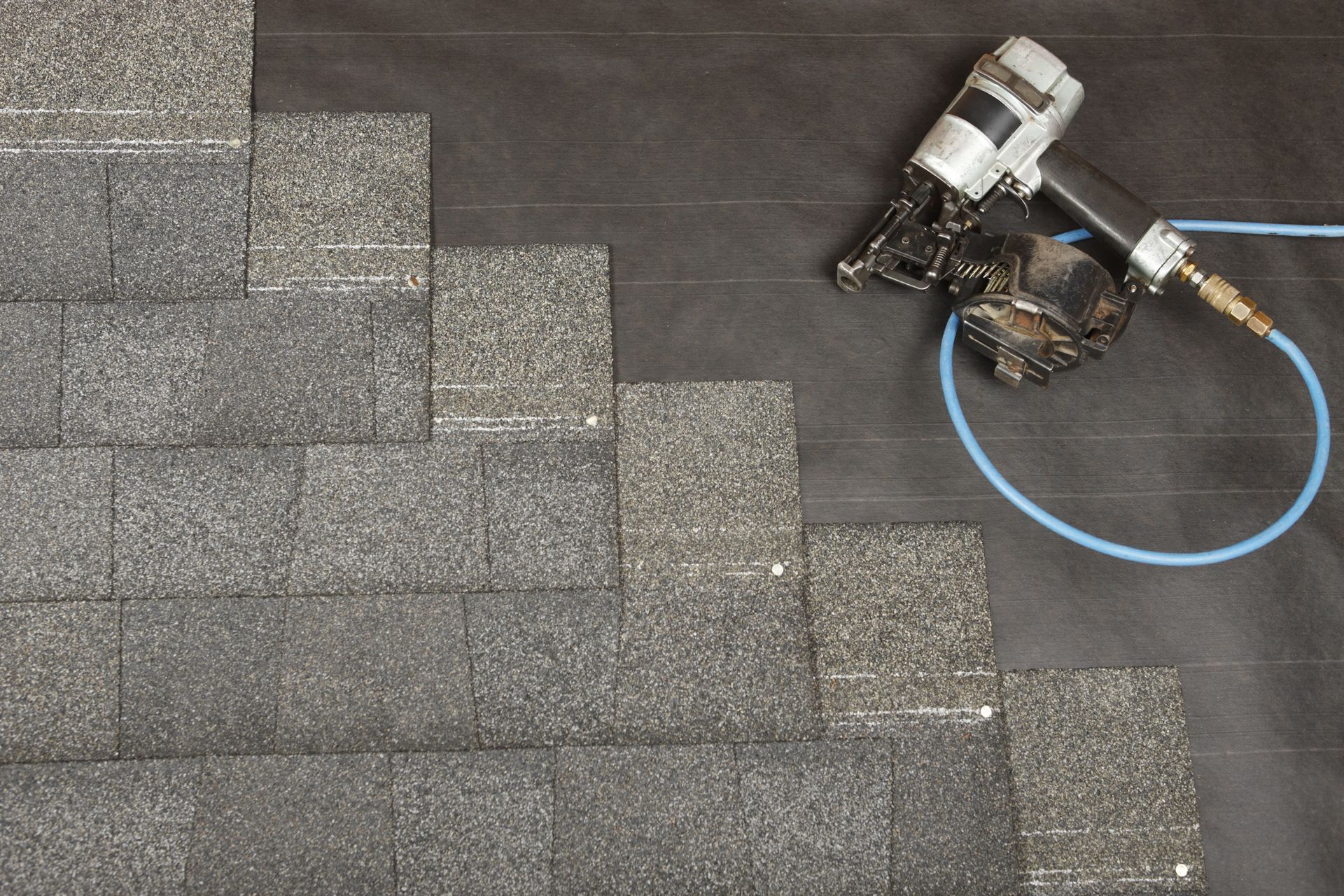
Removing the old roof exposes the sheathing. Ask how soft, damaged, delaminated, or otherwise unsuitable sections will be identified, documented, and priced.
The secondary water-shedding layer should match the roof system. Valleys, eaves, transitions, and other high-risk locations may need added protection.
Chimneys, vents, skylights, and wall intersections interrupt the drainage plane. Each needs flashing that integrates with the new roof rather than simply being covered around.
Ventilation works as a path. The attic layout and roof design determine whether existing intake and exhaust are adequate or need adjustment during replacement.
For Marysville, roof edges, valleys, and gutters that have to move frequent rain cleanly deserve a close look. Make sure valleys, drip edges, and gutter transitions move water away without creating backup points.
Know the plan before tear-off begins
Roof replacement is disruptive, but the job is easier to manage when access, protection, weather planning, material choices, and change approvals are settled before the first layer comes off.
Document current leaks, previous work, visible wear, and homeowner goals. Separate defects that can still be repaired from deterioration that affects the whole system.
Select the roofing system and list included components, exclusions, deck-repair terms, flashing work, ventilation, and how unexpected conditions will be approved.
Coordinate delivery, access, landscaping protection, and weather planning. After tear-off, address concealed conditions before the new roof assembly goes on.
Review cleanup, completed details, product information, warranty documents, and the best contact for any post-project questions.
Prepare access before tear-off day. Move vehicles as directed, secure pets, protect fragile items, and confirm where materials, trailers, and debris will be located.
Compare the work behind each number
Roofing cost is shaped by the actual roof area, pitch, stories, layout, access, tear-off, chosen material, and any deck or detail work uncovered during the job.
When comparing proposals, line up the included work rather than comparing totals alone. Tear-off, underlayment, flashing, ventilation, disposal, and deck repair allowances can explain much of the difference.
Request a Marysville Roof Estimate
GAF Master Elite®️
certified contractor
GAF’s residential contractor directory lists Axis as a Master Elite contractor and shows its President’s Club distinction.
View Axis’s GAF credentialsAsk detailed questions before signing
Axis Roof & Gutter provides residential roof replacement along with repair, gutter, and exterior services. That range can help when roof issues connect to drainage, fascia, walls, or other exterior transitions.
The proposal should make the scope easy to audit. Ask what will be removed, what can stay, which products are named, how deck findings are handled, and what cleanup is included.
Axis holds GAF Master Elite certification and a President’s Club distinction. Homeowners can ask which manufacturer-backed options may apply to the specific GAF system being quoted and what the eligibility terms require.
View the Axis roofing galleryPlan for the conditions around the house
Marysville homes sit in varied terrain and western Washington weather can change quickly. A useful replacement scope should account for drainage, exposure, tree debris, and the way each roof section connects to the rest of the house.
With wet, cloudy winters and shifting Puget Sound Convergence Zone weather, follow the path from upper roof slopes through valleys, eaves, gutters, and downspouts. Slow or overflowing areas are worth addressing while the roof is open.
tree cover and damp roof surfaces that can hold debris and moisture can keep parts of a roof damp longer. Discuss debris buildup, ventilation, and any areas that consistently dry more slowly than the rest of the roof.
homes on flatter streets as well as rolling foothill areas can change delivery, staging, ladder placement, and debris handling. The project plan should account for access before materials arrive.
Questions homeowners ask before replacing a roof
These answers can help you prepare for an estimate, understand the written scope, and compare replacement proposals for your Marysville home.
Talk with Axis: 360-653-7663No. A single leak can come from one flashing, penetration, or damaged section. Replacement is more likely when the surrounding roof is also worn, brittle, repeatedly leaking, or unable to support a durable repair.
Roof area is only one factor. Pitch, stories, valleys, access, tear-off, material system, flashing, ventilation, and hidden deck repairs can make two apparently similar houses very different projects.
Rain can change tear-off and installation timing because exposed roof areas must be protected. Ask how the crew monitors conditions, secures the roof, and communicates schedule changes.
Move vehicles when requested, keep pets and children away from work areas, secure fragile outdoor items, and ask where materials and debris will be staged.
Removing the existing covering lets the crew see decking and old details that cannot be fully evaluated from above. The scope should explain removal, disposal, deck inspection, and how added work is approved.
No. Gutters should be checked where they meet the roof edge, but serviceable gutters may remain. If removal, repair, or replacement is needed, it should be listed in the proposal.
Unsound deck sections may need replacement before the new system can be installed. Ask how the condition will be documented, priced, and approved before extra work proceeds.
Ask about manufacturer coverage and contractor workmanship coverage separately. Review eligibility, registration, exclusions, transfer terms, and any system requirements that affect coverage.
Call 360-653-7663 or request a free estimate online. Share what you have noticed, any previous repair history, and whether you are comparing asphalt shingle and metal options.
Take the next step with a clear scope
Start with a conversation about the roof condition, repair history, material options, and the details that should be included for your Marysville home.


