New damage on a previously sound roof
Missing or broken shingles may be limited enough for a targeted repair. Ask whether the surrounding material is still suitable and whether the visible damage points to any connected concern underneath.

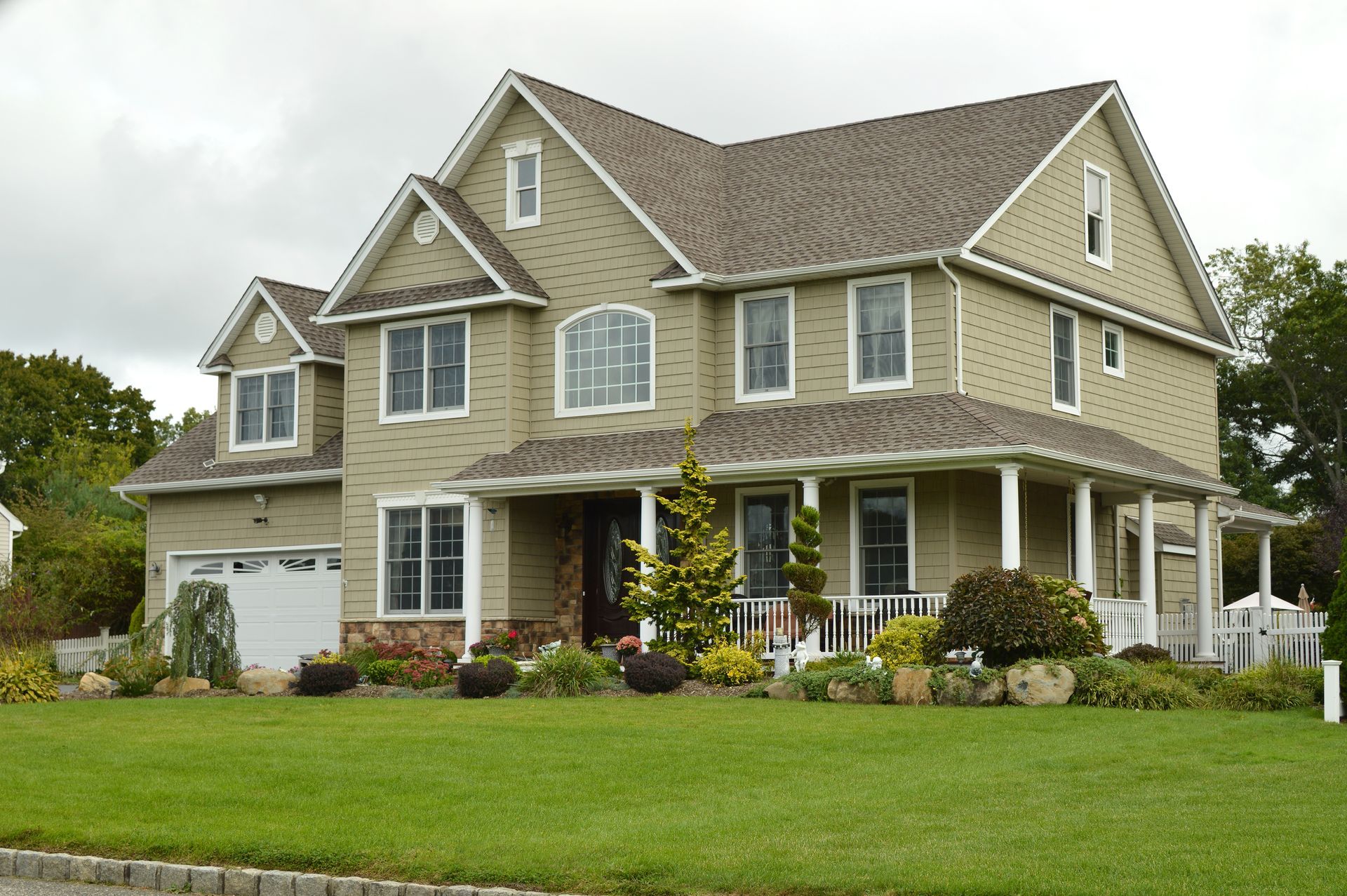
Spend on the roofing work your home needs
Not sure whether another repair is enough? Axis Roof and Gutter helps homeowners work through roof concerns, compare replacement options, and understand the proposed job before making a commitment.
Help with residential repairs, new shingle or metal systems, and related gutter work.
A useful estimate starts with the right scope
A roofing decision often comes down to what another repair would accomplish. Understanding the remaining roof matters just as much as understanding the spot that needs attention now.
Axis Roof and Gutter handles residential repairs and roof replacement, including asphalt shingle and metal systems. The company also provides gutter and exterior services. You can discuss a current leak, plan for an aging roof, or raise a connected concern at the eaves without starting with a predetermined job size.
Before arranging work on your Puyallup home, separate necessary repairs from optional changes. Ask what is included, which conditions remain unknown, and how the recommendation relates to your plans for the property. Those answers make it easier to compare proposals and prepare for the work you actually choose.
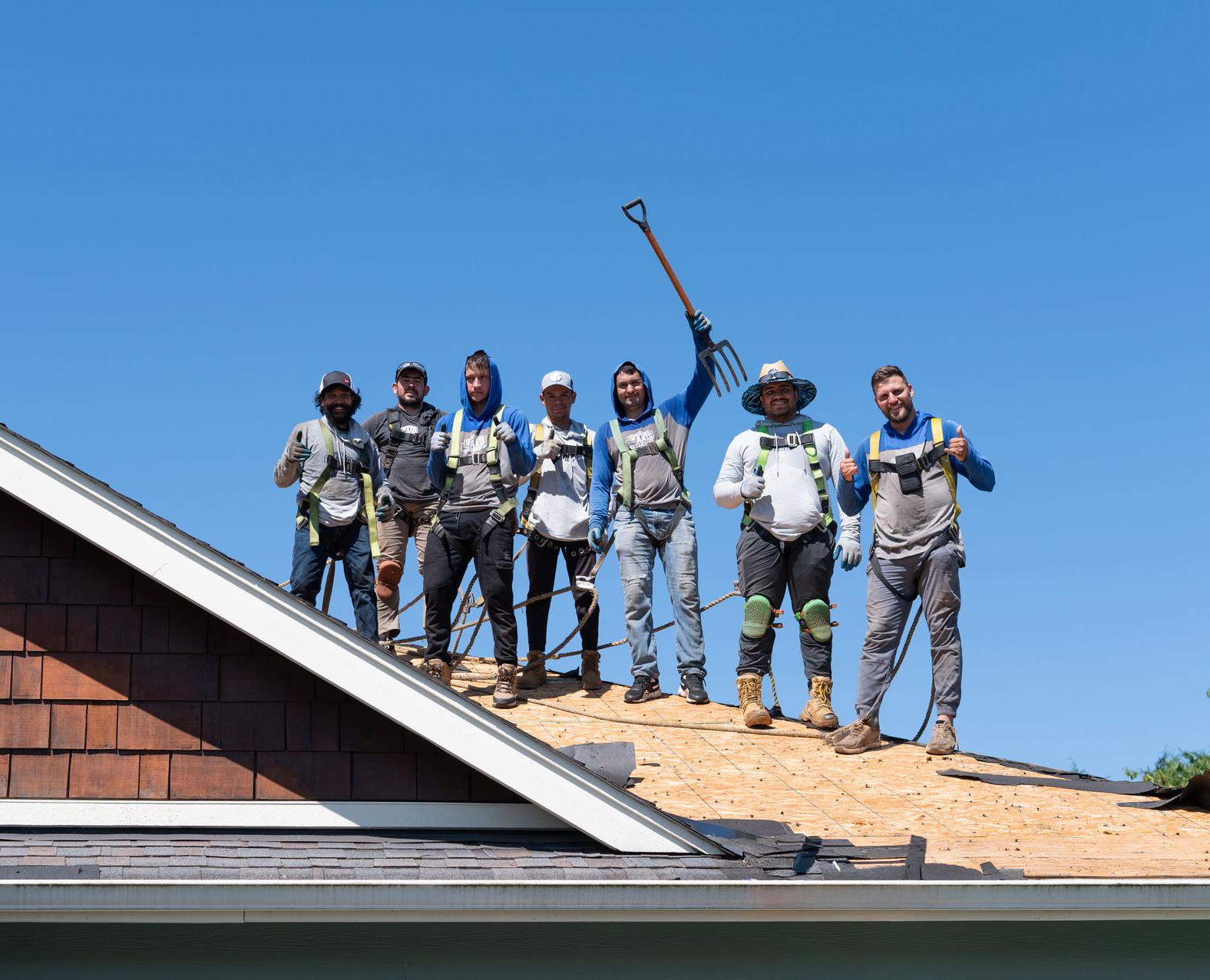
When the roof needs attention
Waiting for a larger problem is not a useful planning strategy, but a visible defect does not automatically justify a complete replacement either. Have the issue evaluated in the context of the roof's overall condition.
Missing or broken shingles may be limited enough for a targeted repair. Ask whether the surrounding material is still suitable and whether the visible damage points to any connected concern underneath.
Cracking, curling, and substantial surface wear across different slopes deserve a broader assessment. The question is whether individual repairs can still provide useful protection without leaving deteriorated sections around them.
The ceiling stain does not always identify the entry location. Explain when it appears and what work has been attempted. A proposal should address the likely source rather than only the place where water becomes visible.
If repair bills are accumulating, pause before approving another similar fix. Compare the remaining roof condition and the expected result of the proposed repair with what a replacement would actually change.
Keep earlier roofing paperwork. Previous estimates, repair descriptions, and product information can help explain what has already been tried. Share what you have, without assuming that missing records prevent an initial discussion.
Decide what is worth keeping
The least expensive proposal is not necessarily the smaller job, and the larger job is not automatically the better choice. First establish which approach addresses the findings without leaving important defects unresolved.
| Question to settle | Keeping the existing roof | Planning a roof replacement |
|---|---|---|
| Can the defect be isolated? | A defined repair can address the source without disturbing sound areas unnecessarily. | Problems extend across enough areas that limited work would leave widespread deterioration. |
| Will the retained material perform? | The remaining covering is serviceable and suitable for integrating the proposed repair. | Aged or damaged surrounding material cannot support a dependable localized fix. |
| What did earlier repairs achieve? | The history points to a specific detail that still needs proper correction. | Ongoing trouble involves multiple components rather than one unresolved spot. |
| What does the investment cover? | The repair has a clear purpose and does not leave major known defects untouched. | Replacing the worn system addresses the broader condition behind repeated repair spending. |
Compare more than the upfront number
When replacement is the appropriate next step, compare the complete roofing systems Axis proposes. Appearance matters, but so do the supporting materials, installation details, and written coverage associated with each option.
Architectural shingles offer a dimensional finish with multiple color choices. The estimate should name the product and explain the accompanying materials rather than simply say 'new shingles.' That gives you a useful basis for comparing the scope, appearance, and applicable warranty terms.
For a fair comparison: Put the material specifications side by side. A difference in the proposed assembly can help explain a price difference that the finished appearance would not reveal.
Choosing metal means reviewing how the panels fit the roof, not just selecting a finish. Attachment design, panel shape, transitions, and movement with temperature changes all belong in the discussion. Confirm that the system being quoted suits the geometry and slope of your home.
Before comparing the totals: Make sure each quote covers the same roof areas and adjoining details. A material choice alone does not tell you how complete the proposed job will be.
Include every roof section in the discussion. A lower-slope addition may have different requirements from the main house. Do not assume a shingle or metal proposal automatically includes the right assembly for both areas and their connection.
What belongs in the work description
A repair may involve only some of these components, while replacement can expose conditions beneath the covering. Ask which items are included in the recommendation and which are allowances, exclusions, or retained materials.
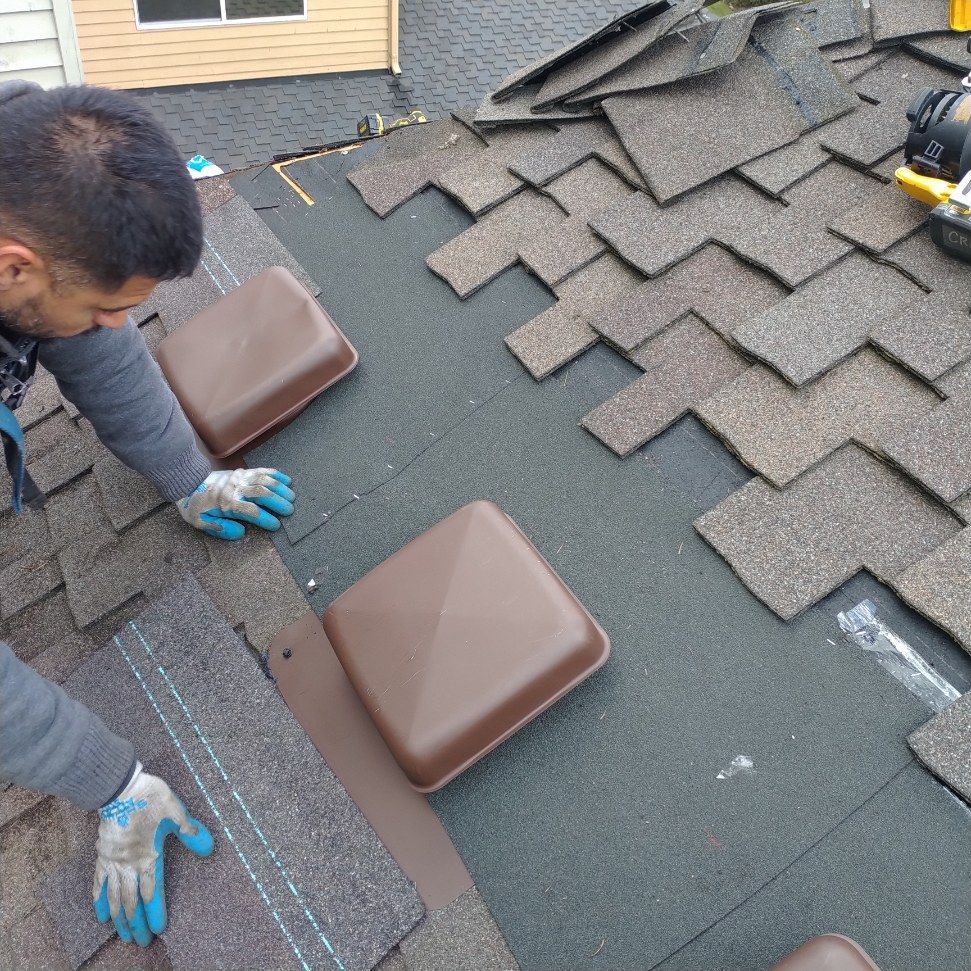
The support beneath the covering may need attention once it can be seen. Agree on how damaged areas will be recorded, priced, and approved before additional repairs proceed.
A material list should account for the layers under the finished roof. Discuss protection at the relevant details in relation to the selected products and roof design.
Flashing around a vent, wall, or chimney can affect both the repair approach and the price. Have the scope explain its treatment rather than assume a new covering includes everything.
Intake and exhaust need to be considered together. Ask whether the attic layout or existing vents affect the work, and which ventilation changes, if any, are actually proposed.
A complete scope should account for relevant water-shedding details. Clarify whether a gutter concern is part of the roof problem, a separate service need, or something to monitor.
Make the job easier to follow
The amount of disruption depends on the job. Before agreeing to a repair or replacement, work through these stages so you understand the recommendation, the arrangements, and the way changes will be handled.
Explain the current issue and share earlier repairs or estimates. Discuss your priorities, including whether you are addressing a specific defect or evaluating the remaining roof as a whole.
Review the recommended tasks and materials, then separate required work from optional items. Clarify exclusions and how hidden conditions could affect the agreed price.
Discuss access, delivery timing, debris locations, and household noise. Confirm the contact for schedule updates and how weather-related changes will be communicated.
Review the completed tasks, ask about future care, and retain the relevant documents. Make sure any coverage information corresponds to the products and work actually supplied.
Work-from-home arrangements matter: Roofing noise can affect meetings, rest, pets, and children. Ask what the planned work involves and decide whether some household activities should move elsewhere during the noisiest stages.
Budget for the actual roof
House floor area is not a roofing estimate. The amount of roof being worked on, its pitch, the material selected, and the details involved all influence the job. A small repair and a full tear-off also have very different boundaries.
Before accepting a price, understand what could change it. Hidden deck damage, additional removal, or work at an adjoining component should have an agreed process, not an unanswered question. Compare proposals using the work descriptions and exclusions as well as the totals.
Ask for My Written Estimate
GAF Master Elite®️
GAF-certified roofer
Axis Roof and Gutter holds GAF Master Elite certification, with a President's Club distinction shown in its GAF contractor profile.
Verify Axis's GAF credentialsKnow who you are considering
Axis offers repairs and replacement for residential roofs, with shingle and metal options for new systems. Its gutter and exterior services also allow related concerns to be raised when planning the work. Ask for those items to be scoped separately when they are not part of the roofing recommendation.
You should be able to explain the proposal in your own words: what will be repaired or replaced, what will stay, and what is still uncertain. Ask questions until those boundaries are clear. A recognizable material name or credential is not a substitute for that understanding.
Certification may create access to additional coverage on qualifying systems, but availability and terms depend on the proposed installation. Request the actual warranty documents and distinguish manufacturer responsibilities from any contractor workmanship coverage.
Look through Axis's project photosPlan for your property's conditions
Heavy rain and accumulated debris make drainage a practical concern in Puyallup. A roof project should distinguish covering defects from gutter or roof-edge problems, then account for their connections. The work plan also needs to fit the house and the household using it.
Ask how weather affects the proposed work window and communication plan. Address known leak concerns during the assessment rather than assuming a future material upgrade will resolve an unidentified source.
Explain where debris gathers and whether water overflows at an edge. Those observations help frame the discussion, but they do not by themselves establish that the covering or every gutter needs replacement.
Mention additions, altered roof sections, or different attic spaces. Confirm how the scope treats those areas and whether any separate property approvals need attention before the work is arranged.
Get the planning questions answered
Knowing what happens before, during, and after roof work makes the decision easier. Use these answers to prepare for an estimate, then settle property-specific details with the roofing team.
Discuss the work: 360-653-7663Start with the property address, the problem you have noticed, and when it began. Earlier repair descriptions and product records are helpful when available. Explain whether you are managing a leak, comparing material options, or planning around an aging roof. You do not need a complete diagnosis before calling.
Not reliably. Interior floor area does not measure the roof, and roof pitch, shape, height, and access all influence the work. A useful estimate also accounts for the proposed materials and tasks. Request pricing based on the actual roofing scope rather than a home-size figure alone.
Settle the process before removal begins. Ask how damage will be documented, how the additional work will be priced, and how your approval will be obtained. Some deck conditions cannot be fully established in advance, but the method for handling them should not remain undefined.
That depends on the work and your household's tolerance for noise and disruption. Many homeowners stay, while others arrange different work or rest locations during noisy stages. Review access restrictions, children, pets, and delivery arrangements before deciding how to organize your day.
The expected work window depends on the size and complexity of the project, material choices, scheduling, weather, and hidden conditions. Discuss the estimate for timing after the scope is understood. Also agree on how changes will be communicated rather than treating an early date as a guarantee.
Not every job calls for the same ventilation work. The existing intake, exhaust, attic arrangement, and proposed roof work should be evaluated together. Ask which changes are recommended and why. A ventilation item should be tied to the house rather than added solely because other roofs have it.
Compare the finished tasks with the accepted scope and clarify any approved changes. Review cleanup, relevant product information, care recommendations, and applicable coverage documents. Keep the contractor's contact details with those records so future questions about the work can be directed to the right place.
Yes. Describe the concern and ask whether a focused repair is appropriate. The assessment may identify a limited defect or reveal broader deterioration, so remain open to the findings. The important distinction is why the recommended work fits the remaining condition of your roof.
You can call 360-653-7663 or submit your roofing estimate request. Tell Axis the Puyallup property address and the work or problem you would like to discuss. Estimates are free, and MyPrice is available separately for starting an online roof quote.
Choose the work with confidence
A repair decision or a replacement plan starts with understanding the house. Contact Axis Roof and Gutter about your Puyallup roof and request a free estimate for the proposed work.


