Water spots after steady rain
New ceiling marks, damp insulation, or moisture near an exterior wall can point to a leak above. Track when the stain appears and whether it grows during certain weather conditions.

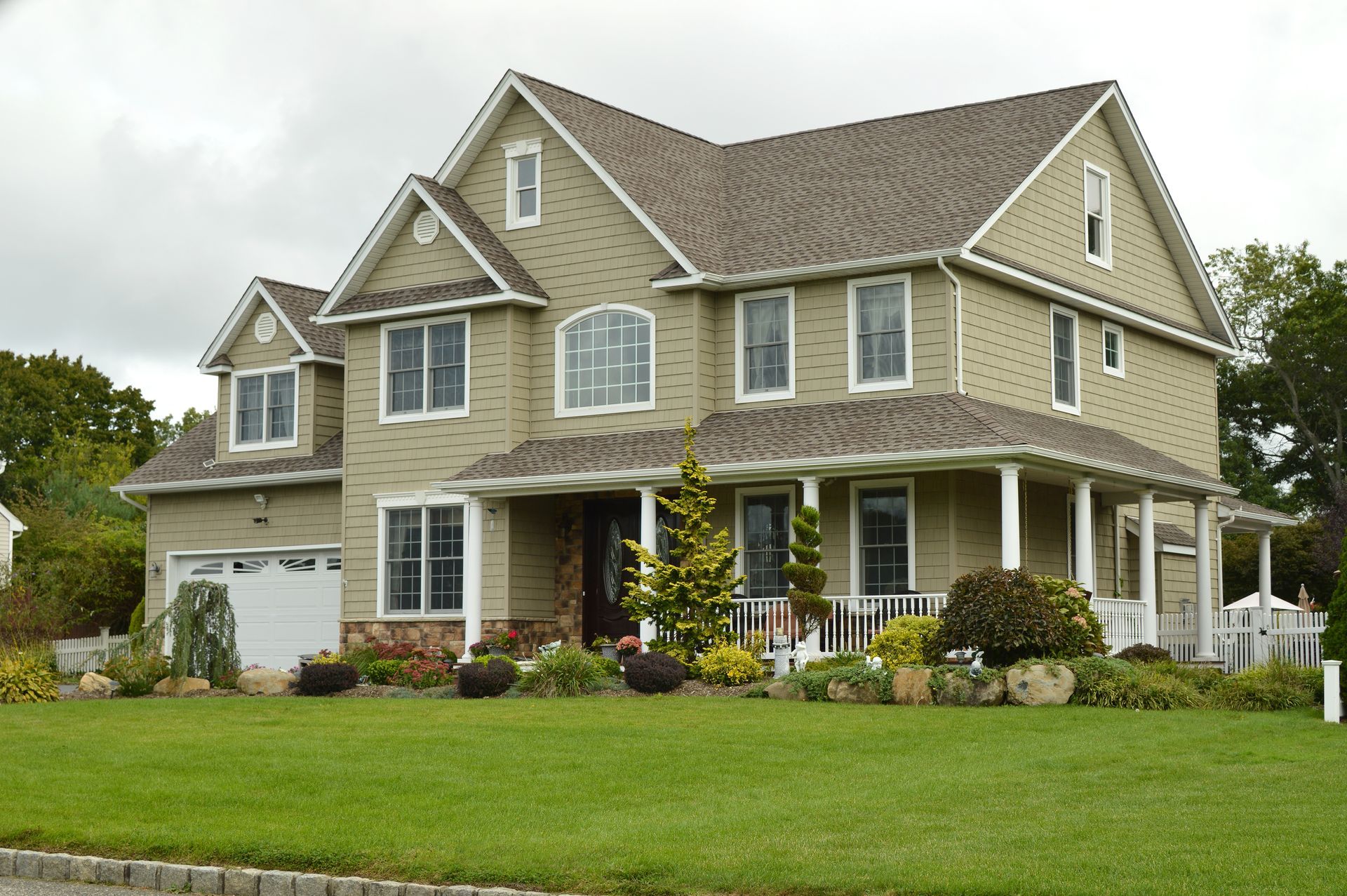
Axis Roof & Gutter · Roof repair service
Loose shingles, flashing trouble, or a persistent leak can often be handled with focused roof work when the rest of the system is still serviceable. Get the cause identified before deciding how much roof needs attention.
Roof leak checks. Localized repairs. A scope based on what the roof shows.
Fix the weak area before water has more room to travel.
Roof repair can extend the useful service of a roof when damage is limited and the surrounding materials remain suitable for a reliable tie-in.
Axis Roof & Gutter helps homeowners evaluate active leaks, damaged shingles, flashing issues, and other localized roofing problems. The repair recommendation should be based on the failed component and the condition around it, not on a one-size-fits-all patch.
Puyallup’s wet season makes drainage and water-shedding details especially important. Valleys, roof edges, penetrations, and transitions should be checked when moisture appears because runoff can concentrate at those locations.
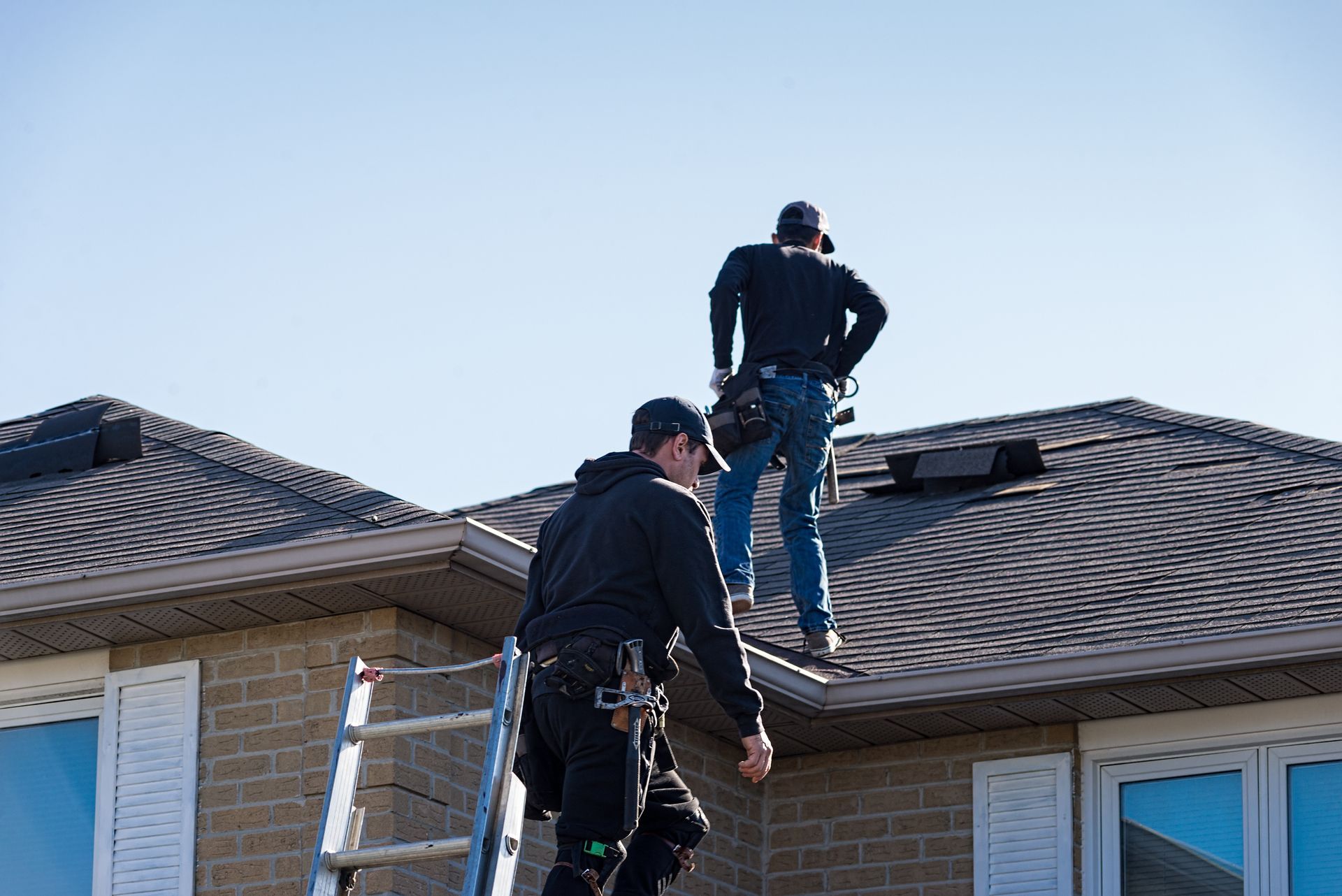
Do not ignore changes in the roof surface
Some problems begin with a small exterior defect and become noticeable only after water travels inside. Early inspection can help determine whether the issue is still limited enough for a targeted repair.
New ceiling marks, damp insulation, or moisture near an exterior wall can point to a leak above. Track when the stain appears and whether it grows during certain weather conditions.
Shingles that have lifted, torn, or folded back can leave the layers below more exposed. The repair should also check the course above and below for fastener or sealing problems.
Plumbing vents and other penetrations use flashing components that age differently from the surrounding roof. Splits, gaps, or movement around those details can create a localized leak path.
Debris, worn edge materials, damaged flashing, or gutter overflow can redirect water. Areas that carry concentrated runoff should be inspected when leaks show up near eaves or interior corners.
A small defect can create a larger water path. The repair assessment should look beyond the first visible opening to see whether underlayment, decking, flashing, or adjoining roofing has also been affected.
Use the surrounding roof to guide the decision
The answer depends on whether the damaged section can be corrected and tied into material that still performs. A repair is less useful when the roof around the problem is already failing in many places.
| Condition to compare | Repair is more likely to work when | A broader solution may make more sense when |
|---|---|---|
| Damage footprint | The problem is limited to a small area, penetration, edge, or flashing detail. | Several slopes or connected areas show damage or active deterioration. |
| Surrounding roof | Nearby shingles or panels are secure, workable, and able to integrate with new material. | The material around the damage is brittle, loose, heavily worn, or no longer sealing well. |
| History of the issue | The leak is new or can be traced to one correctable source. | The same area has been patched repeatedly or multiple leaks are appearing elsewhere. |
| Value of the repair | The proposed work solves a defined problem without leaving an obvious adjacent failure. | Repair spending would continue while the overall roof remains unreliable. |
Match the repair to the roofing system
Different roof coverings need different repair details. The material, slope, fastening method, and nearby flashing determine how the damaged area can be opened and rebuilt.
A shingle repair may involve replacing damaged pieces, correcting nails or flashing, and restoring the layers below a small roof section. The roofer should confirm that surrounding shingles can be handled without breaking or losing their seal.
A practical note: Replacement shingles can look newer than the surrounding roof. The priority is a repair detail that sheds water correctly and stays integrated with the roof.
Metal roof problems may involve a panel, seam, fastener, penetration, or flashing transition. The repair has to account for panel movement and use materials that are compatible with the existing system.
A practical note: Surface caulk may stop water briefly in some situations, but it should not replace a proper correction when the seam, fastener, or flashing assembly has failed.
Does your roof change slope or connect to an addition? Leaks can begin where steep and low-slope sections meet or where a later addition ties into the original roof. Those junctions deserve their own inspection before the repair scope is finalized.
Look at the roof as connected layers
A roof repair can include the visible covering, the layer beneath it, and the flashing or drainage detail next to it. Understanding those connections helps prevent a repair from stopping too soon.
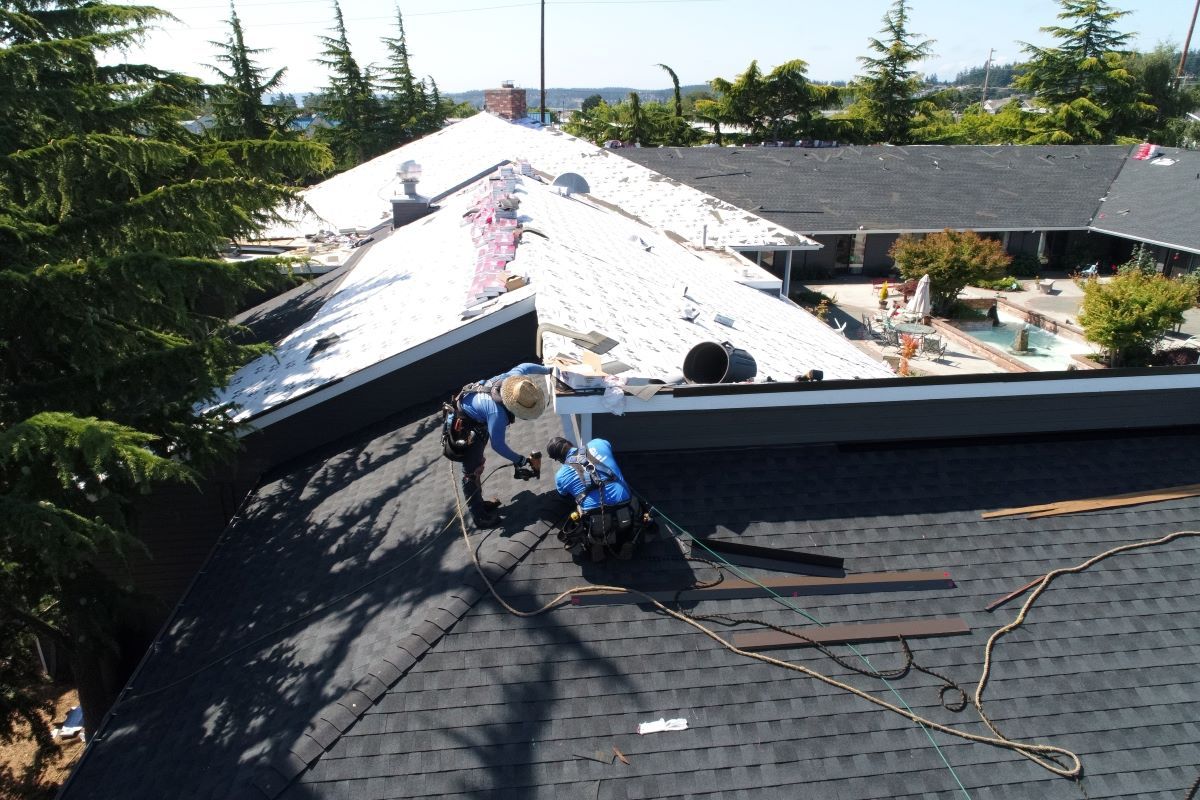
The repaired area needs to start and stop on roofing that can hold fasteners, overlaps, and seals as intended. Weak material right beside the repair can undermine the result.
Opening the roof can reveal wet underlayment, staining, or damaged sheathing. Those conditions should be documented and corrected as needed before the surface roofing is restored.
Penetrations and vertical transitions use flashing to direct water around openings. A repair should restore the layered path that moves runoff onto the roof surface below.
Attic moisture, condensation, and exterior leaks can leave similar marks. Comparing weather patterns, insulation, ventilation, and roof details can help narrow the cause.
Water speeds up where roof planes meet and exits along the eaves. Leaves, grit, damaged edge metal, or gutter overflow can change that path and expose vulnerable details.
Keep the repair process clear from the start
Even a small repair benefits from a written scope and a simple plan for access, weather, concealed damage, and final review. These steps make it easier to understand what is being repaired.
Walk through the leak history, visible damage, and any earlier fixes. Inspect the roof and accessible interior areas for evidence that supports a specific repair location.
Identify the repair boundary, materials, flashing work, exclusions, and how hidden damage will be handled. The estimate should make it clear what you are approving before work starts.
Protect the property, remove only what is needed to reach sound material, and complete the repair with compatible roofing components. Weather conditions can affect when the roof can be safely opened.
Look over the completed repair and cleanup, then ask what to watch during future rain. Keep the repair documentation with your roof records in case the same area needs attention later.
A little preparation helps: Clear access to the driveway, gate, attic, or side yard if those areas are needed. Move fragile items from walls or shelves near the repair area and keep pets away from exterior work zones.
Understand why one repair can cost more than another
Repair pricing depends on where the problem is located, how difficult the roof is to access, the roofing material, and how much area must be opened to complete a sound repair. Hidden moisture damage can add work after the surface is removed.
A useful estimate should describe the repair, not just name a price. Look for the planned work area, new materials, flashing details, and the process for approving anything that is discovered underneath.
Request a Roof Repair Estimate
GAF Master Elite®️
roofing contractor
According to GAF’s residential contractor directory, Axis holds Master Elite certification and a President’s Club distinction.
Check Axis’s GAF credentialsMake the estimate specific to the problem
Axis Roof & Gutter handles roof repair as well as residential roof replacement, gutters, and exterior services. That makes it possible to discuss related concerns when a leak sits near a gutter line, wall transition, or another exterior detail.
Use the estimate to pin down the likely cause, repair area, materials, and approval process for added work. If part of the diagnosis is still uncertain, ask what the crew will verify once the roof is opened.
Manufacturer certification may make certain coverage options available on qualifying full roofing systems. For a localized repair, ask for the written terms that apply specifically to the new materials and work being performed.
Visit the Axis project galleryLet Puyallup weather inform the inspection
Rain, seasonal debris, roof shape, and drainage patterns can make one section of a roof work harder than another. The repair should respond to the actual flow of water across your roof.
Where two roof planes meet, water and debris collect in a narrow channel. Damaged valley materials or buildup can create leaks even when the nearby shingles look acceptable.
Pipe boots, vents, wall transitions, and eaves have more joints than the open roof field. Those details are worth checking when moisture appears near bathrooms, kitchens, exterior walls, or roof edges.
Falling leaves and needles can slow drainage, while landscaping and fences can affect ladder placement. A repair plan should consider both the water path and safe access to the damaged area.
Roof repair answers without the guesswork
Before you approve a repair, understand what caused the problem, how far the work will extend, and what could change once the roof is opened. These questions can help.
Call Axis with questions: 360-653-7663Visible damage, a new leak, damp attic materials, or trouble around flashing are good reasons to have the roof evaluated. A repair is more likely when the problem is localized and the surrounding roof remains in workable condition.
Price depends on access, roof type, the size and location of the repair, flashing complexity, and any damage found below the surface. Ask for a written scope that explains what is included and how unexpected work would be approved.
A small damaged area may be repairable if nearby shingles are still flexible, secure, and able to accept a proper tie-in. More widespread wind damage or brittle surrounding material can require a larger discussion.
Protect the interior from active dripping if you can do so safely, note where the moisture appears, and arrange for the roof to be evaluated. Avoid climbing onto a wet roof or attempting a risky temporary repair.
Yes, a damaged flashing boot around a plumbing vent can create a localized water path. The roofer should inspect the boot, nearby shingles, and the condition beneath the detail before setting the repair scope.
Valleys carry concentrated runoff and use layered roofing details. If the problem is near a valley, the repair may need to extend beyond the visible defect so the rebuilt area ties back into sound material on both sides.
Soft or damaged decking may need repair before new roofing can be fastened securely. Ask how the contractor will document the condition and get your approval for any work that was not part of the original estimate.
Coverage varies with the contractor, products, and repair scope. Ask for the workmanship terms and any manufacturer coverage that applies to the new materials, including exclusions or conditions you should know about.
Call 360-653-7663 or request a free estimate online. Describe the leak or damage, where it is showing up, and any recent weather or previous repair history. That information gives the roofing team a better starting point.
Put a clear plan behind the repair
Start your Puyallup roof repair with an estimate that explains the cause being addressed, the area included, and what the finished repair is expected to correct.


