Leaks return after earlier repairs
If repairs have already been made and water continues to appear in the same or different areas, the roof may have several aging details. A broader assessment can show whether another targeted fix is still sensible.

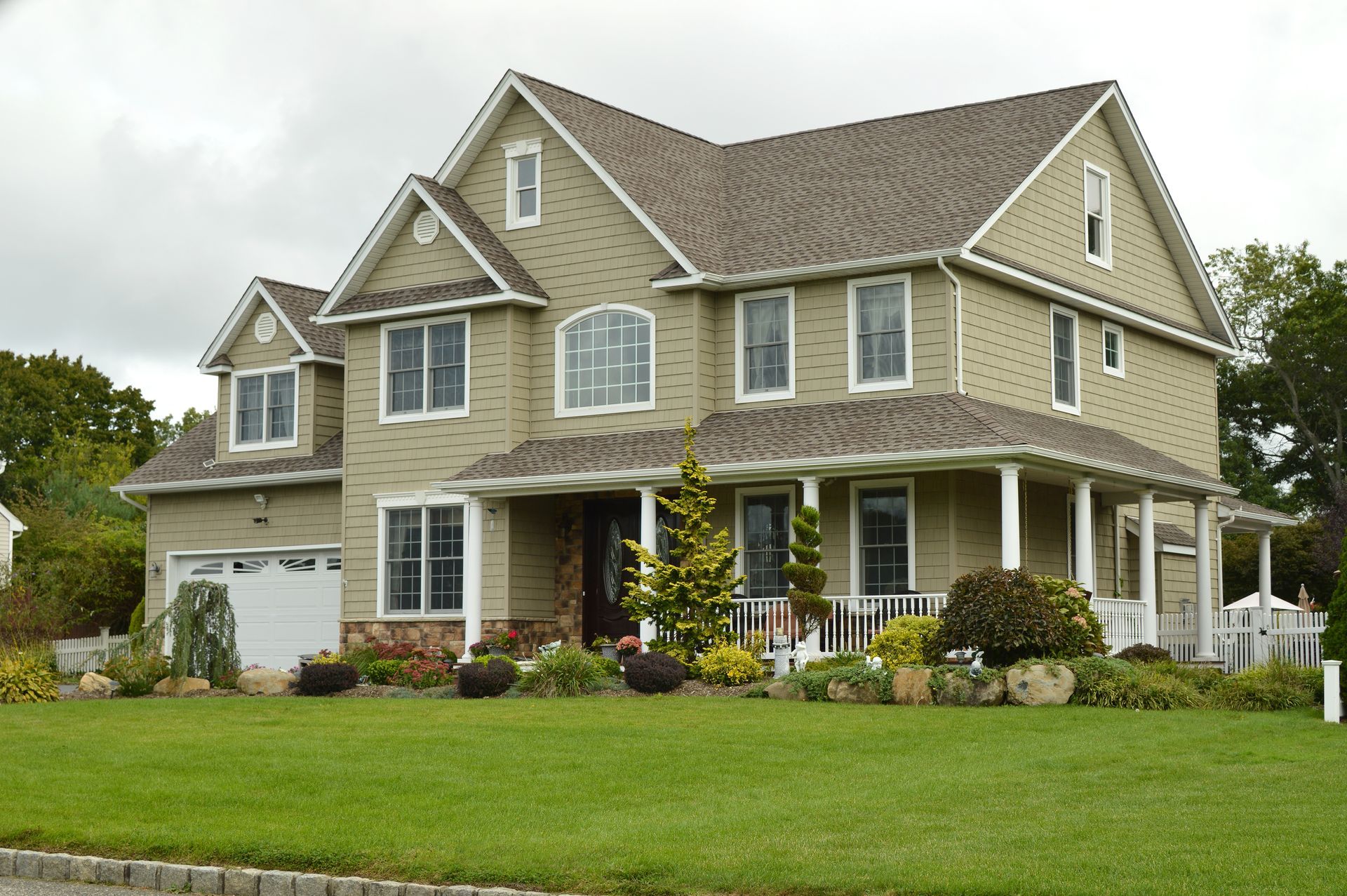
Axis Roof & Gutter · Puyallup roof replacement
For a Puyallup homeowner, a roof replacement should solve more than the most visible wear. The plan needs to account for wet-season drainage, shaded roof areas, the condition below the shingles, and how the roof fits the house.
A practical roof evaluation. Shingle and metal choices. Clear decisions before installation.
The replacement should fit the whole roof
A full replacement may make more sense than another repair when wear is spread across several roof areas, the materials have become difficult to repair, or water problems keep returning.
Axis Roof & Gutter can help homeowners evaluate roof condition, compare asphalt shingle and metal options, and define what the replacement should include. The goal is to understand the existing system before choosing the new one.
Puyallup’s long rainy stretches make water-management details especially important to discuss. Deck condition, underlayment, valleys, flashing, ventilation, and the connection between roof edges and gutters should all be part of the scope.

Watch for roof-wide changes, not one symptom
Water inside the house deserves prompt investigation, but one leak does not prove the full roof needs replacement. The source, the nearby material condition, and the broader leak history matter more.
If repairs have already been made and water continues to appear in the same or different areas, the roof may have several aging details. A broader assessment can show whether another targeted fix is still sensible.
When cracking, curling, granule loss, or brittle shingles appear across several slopes, replacing only a small section may leave too much worn material behind.
More extensive work may be needed when flashing failures occur in several places, moisture has affected decking, or wind-related damage is spread across the roof.
Repeated repairs can be worthwhile on a serviceable roof, but they become less attractive when each patch sits beside materials that are already near the end of useful service.
Condition matters more than the calendar. Roof age can help frame the discussion, but installation, ventilation, shade, maintenance, and weather exposure determine how that roof has actually performed.
Spend where the roof will benefit
A repair is most useful when it corrects a defined defect and leaves sound roofing around it. Replacement becomes more compelling when the remaining system is already broadly compromised.
| Condition factor | A repair can make sense when | Replacement may make more sense when |
|---|---|---|
| Damage spread | The issue is limited to a distinct location and nearby roof materials are still performing. | Wear or damage extends across different slopes, transitions, or roof sections. |
| Material around the problem | The roof around the defect can be worked on without creating new damage or relying on worn materials. | Adjacent materials are too brittle, weathered, or compromised to hold a dependable repair. |
| Leak pattern | The water entry point can be identified and corrected without rebuilding several roof components. | Water has returned after prior work or appears to involve multiple roof details. |
| Value of the next step | The repair resolves the known issue and leaves a roof that is still worth maintaining. | Continuing to patch would leave major deterioration in place and likely lead to more repair decisions. |
Compare materials in the context of your house
The material should suit the roof slope, geometry, drainage, design, and the homeowner’s priorities. Compare how the whole system is installed, not just the color or panel appearance.
Architectural asphalt shingles provide a layered appearance and many color options for sloped residential roofs. Product construction, accessory requirements, and coverage terms can vary, so compare the complete proposed system.
The shingle is not the whole roof. Flashing, ridge details, underlayment, ventilation, and deck condition should be evaluated with the surface material.
Residential metal roof options uses different profiles, finishes, seams, and fastening approaches from asphalt systems. The roof geometry and penetration details should guide which metal system is appropriate.
Attachment details matter. Metal panels respond to temperature changes, so fastening and flashing need to be designed for the chosen system and roof geometry.
One house can require more than one roof assembly. Low-slope sections and additions may need a different material from the main roof. Make sure the transitions are clearly addressed.
The roof surface is only the visible layer
The written scope should show how the deck, underlayment, flashings, ventilation, and drainage details will be treated along with the new roof covering.
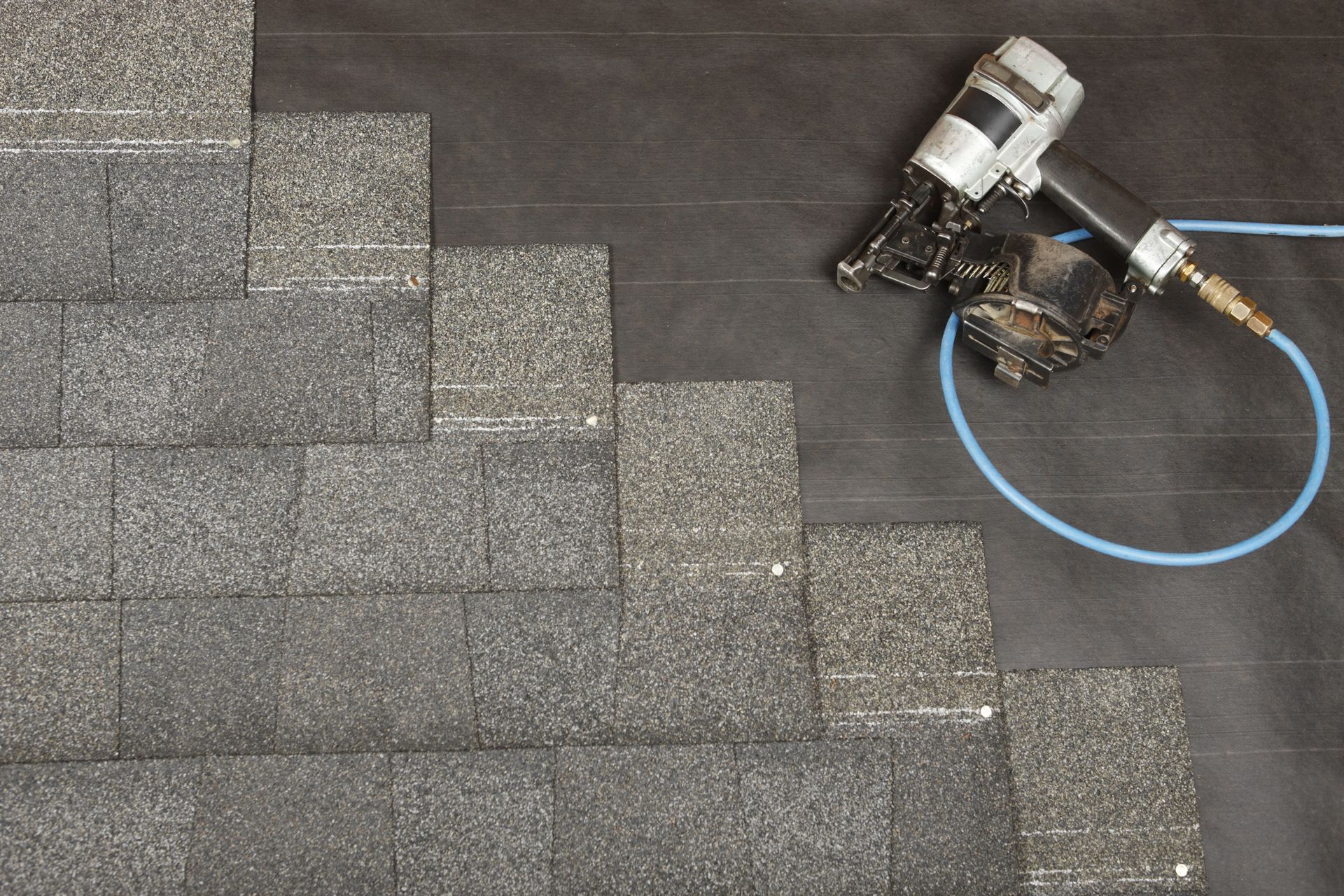
Tear-off allows the exposed sheathing to be checked directly. Ask how damaged deck sections, extra layers, or other concealed conditions will be handled if they are found.
Underlayment creates a secondary layer beneath the finished roofing. The roof design and selected products determine what additional protection belongs at valleys, eaves, and transitions.
Water has to be directed around vents, walls, skylights, chimneys, and other interruptions in the roof plane. Those flashing details should be integrated with the replacement rather than treated as an afterthought.
A ventilation review should consider both intake and exhaust, along with the attic and roof design. Simply adding another vent does not confirm that the airflow pattern is balanced.
During heavy rain, valleys and roof edges carry concentrated runoff. Confirm how the new roof terminates at the eaves and how water will enter the gutter system.
Know the decisions that happen at each stage
A roof replacement is easier to live through when the contractor and homeowner agree on the scope, access, weather plan, material delivery, and process for handling unexpected conditions.
Review visible wear, leak history, earlier repairs, and the homeowner’s goals. The assessment should clarify why repair or replacement is being recommended.
Document the selected system, included accessories, exclusions, and the method for approving added work before the project starts.
Coordinate deliveries, driveway use, property protection, debris handling, and weather. Complete the agreed work while communicating any concealed conditions uncovered during removal.
Confirm that the stated scope is complete, cleanup is finished, and the relevant warranty and maintenance information has been provided.
Make the work zone easier to manage. Move vehicles and outdoor items when requested, keep children and pets clear, and ask where roofing materials and debris containers will be staged.
Compare the work behind each number
The amount of roofing, the pitch, number of stories, valleys, access, selected system, tear-off, and concealed deck condition all influence cost. The house’s interior square footage does not define the roof scope.
Read each estimate for inclusions and exclusions. Check whether underlayment, flashing, ventilation work, disposal, deck repairs, and other necessary details are clearly described before comparing totals.
Request a Puyallup Roof Estimate
GAF Master Elite®️
roofing certification
GAF identifies Axis in its residential contractor directory as Master Elite certified and notes the company’s President’s Club distinction.
View Axis’s GAF credentialsUse the estimate meeting to remove uncertainty
Axis Roof & Gutter provides roof replacement, repair, gutter, and exterior services for residential projects. That lets homeowners discuss connected roof-edge and drainage concerns instead of treating each exterior component in isolation.
Ask the estimator to identify the proposed materials, removal scope, flashing details, ventilation work, deck-repair process, and any excluded items. Clear written details make proposals easier to compare.
Axis holds GAF Master Elite certification and a GAF President’s Club distinction. If a qualifying GAF system is being considered, ask what manufacturer-backed coverage options apply and review the written requirements.
Browse the Axis roof project galleryPuyallup roof planning starts with moisture and drainage
Puyallup properties can differ in tree cover, roof pitch, attic design, additions, and drainage. A replacement plan should respond to those conditions instead of repeating the same scope for every house.
Look at where runoff concentrates, where gutters overflow, and which roof areas stay damp after storms. Those patterns can identify details that deserve extra attention.
Trees can shade roof surfaces and drop debris into valleys or gutters. The attic layout and ventilation path should also be reviewed before finalizing a new roof system.
Multiple roof levels, narrow side yards, detached structures, or limited driveway space can affect staging. Confirm access and protection plans before the crew arrives.
Questions worth asking before replacement
Use these Puyallup roof replacement questions to compare proposals, understand the work, and prepare for the installation.
Ask Axis: 360-653-7663A repair can still be a good choice when the defect is limited and the nearby roof is sound. If materials are worn across broad areas or leaks are becoming repetitive, replacement may offer the more sensible long-term path.
Roof area, pitch, stories, valleys, access, selected material, removal, flashing, ventilation, and deck condition can all change the scope. Compare the itemized work, not only the final price.
Ask for the expected installation window and how weather changes will be handled. Roof complexity, crew planning, materials, and any hidden damage discovered during tear-off can also affect timing.
Yes, but expect loud tear-off, hammering, vibration, and frequent activity around the property. Keep pets and children away from work areas and consider leaving during active hours if noise will be difficult.
Removal lets the crew inspect the exposed deck and old transition details before the new system goes on. Ask what the estimate includes for removal, disposal, deck review, and repairs.
Not in every case. The gutter condition and roof-edge connection should be evaluated. The contractor should state whether gutters are staying in place, being removed and reset, repaired, or replaced.
Those sections may need replacement before roofing can continue. Ask in advance how the condition will be documented, how extra decking is priced, and how authorization will be handled.
Separate the manufacturer product coverage from the contractor’s workmanship coverage. Review eligibility, registration, exclusions, transfer terms, and any system requirements before making the final choice.
Call 360-653-7663 or request a free estimate online. Share the roof concerns you have noticed, any repair history, and whether you are considering asphalt shingles, metal roofing, or both.
Move from roof symptoms to a written scope
Start with an evaluation of the existing roof, then compare materials and scope for the work your Puyallup home needs.


