New ceiling marks or attic dampness
Watch when the stain appears and how quickly it changes. That timing can help separate a rain entry point from other moisture and can narrow the roof area that needs inspection.

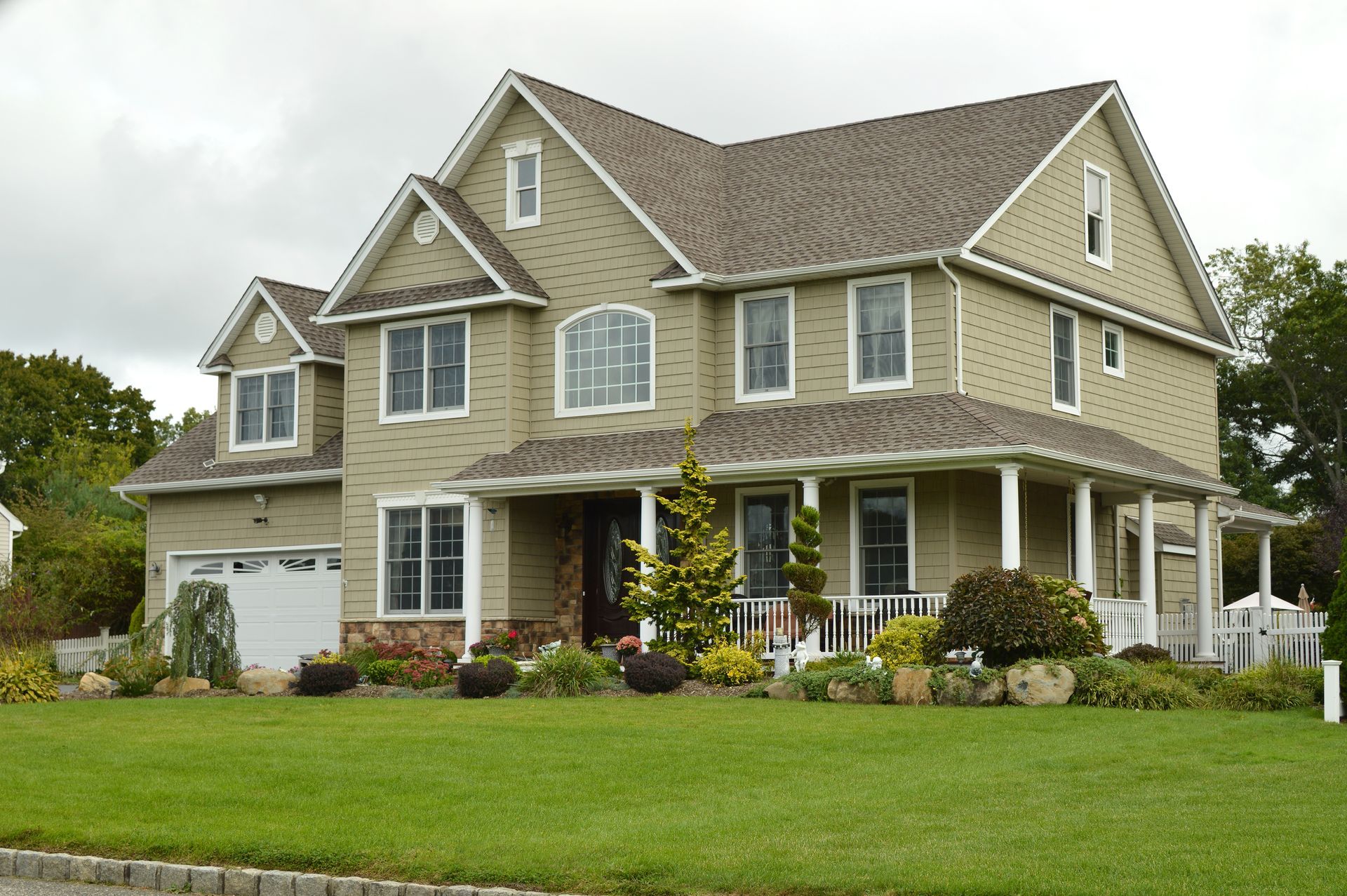
Axis Roof & Gutter · Roof repair
A leak over a bedroom, a slipped shingle, or a flashing issue may be a repair problem rather than a full-roof problem. The first step is to locate the entry point and see how much sound roofing surrounds it.
Find the leak. Check the surrounding roof. Repair only what the condition supports.
Find the cause before deciding how much roof to open.
A focused roof repair makes sense when a specific failure can be corrected and the roofing around it is still dependable enough to support the new work.
Axis Roof & Gutter evaluates leaks, damaged shingles, flashing concerns, storm-related damage, and other localized roof issues for homeowners. The purpose is to understand the failure well enough to define a repair that fits the roof instead of guessing from the interior symptom.
Renton and Fairwood homes can see long stretches of damp weather along with tree debris that collects near valleys, gutters, and roof transitions. A repair estimate should account for the water path, the condition of nearby roofing, and any drainage detail that may be feeding the same problem.
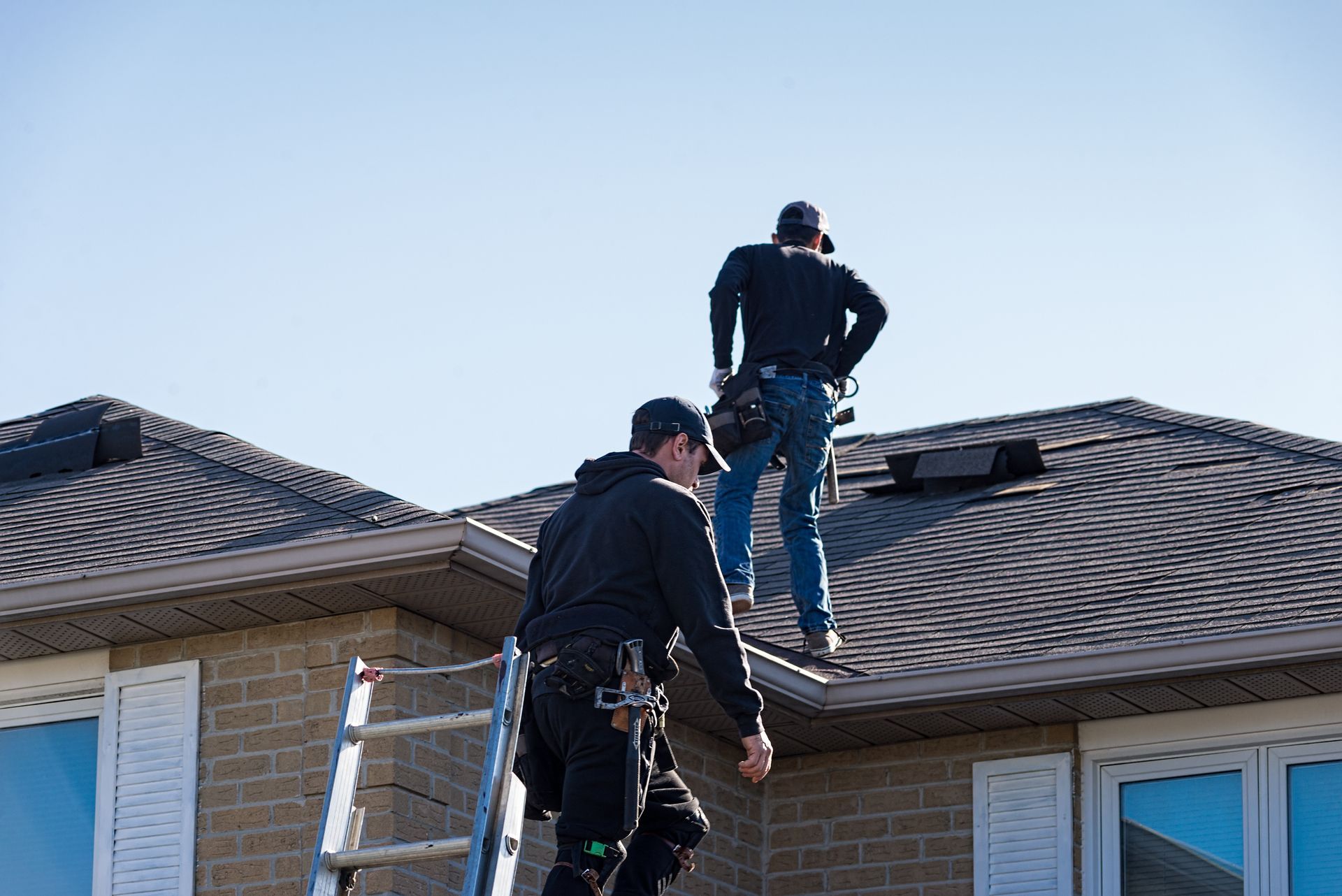
Small roof changes can be useful early warnings
A damp ceiling, displaced roofing, or a new runoff pattern is worth checking before it becomes a repeated leak. What matters most is where the problem begins and how healthy the surrounding roof remains.
Watch when the stain appears and how quickly it changes. That timing can help separate a rain entry point from other moisture and can narrow the roof area that needs inspection.
A few damaged shingles can sometimes be replaced cleanly when the surrounding courses still have enough flexibility and life. Brittle or widely worn shingles make a small repair harder to integrate.
Step flashing, counterflashing, vent details, and other transitions depend on overlapping layers. A gap or displaced piece can send water beneath roofing that still looks intact from the ground.
Leaves and needles can change how water moves through valleys and gutters, while heavy granule accumulation may point to shingle wear. New overflow or recurring buildup deserves a closer look at the roof edge and drainage path.
The size of the stain does not tell you the size of the roof problem. Interior damage and exterior damage rarely line up perfectly. Check the roof covering, flashing, deck, ventilation, and drainage around the suspected source before deciding how limited the repair can be.
Use the roof around the damage to guide the decision
A targeted repair is strongest when the source is identifiable, the damaged area can be reached, and new work can tie into roof materials that still have useful life. The table below shows the conditions worth comparing.
| Condition to review | Signs a focused repair could work | Signs the scope may need to grow |
|---|---|---|
| How contained is the damage? | The problem is limited to one reachable area and the surrounding roof can remain largely undisturbed. | The condition continues across several roof features, slopes, or connected details. |
| Condition of nearby materials | Nearby shingles, panels, and flashing remain workable enough to accept new material and proper fastening. | Materials around the problem are brittle, loose, deteriorated, or already failing in several places. |
| How predictable is the leak? | The moisture pattern points back to one damaged roof detail, opening, or transition. | Water appears in several unrelated areas or keeps returning after different patch attempts. |
| What will the repair leave behind? | The repair can remove the known failure and leave a sound water-shedding transition on every side. | A small repair would sit next to broader deterioration or leave another known leak risk untouched. |
Work with the roof system that is already installed
Asphalt shingles and metal roofing fail in different ways, and they are repaired differently. The scope should reflect the installed material, the damaged detail, and the amount of surrounding roof that needs to be opened for a proper tie-in.
Shingle repair can include removing damaged pieces, rebuilding a small section, or correcting a nearby flashing detail that caused the leak. The surrounding shingles need to stay flexible enough to lift and reseal without creating fresh damage.
Worth checking: A color match is not always exact because existing shingles have weathered. Focus first on a sound repair, correct overlaps, and a stable tie-in, then discuss appearance expectations before work starts.
Metal roof leaks can come from fasteners, seams, penetrations, flashing, closures, or a damaged panel. The repair method should account for the panel profile and attachment system so normal thermal movement is not blocked or redirected.
Worth checking: Surface sealant can be useful in the right detail, but it should not hide a loose fastener, failed flashing transition, or panel movement issue that needs a mechanical correction.
Does the leak sit where two roof types or slopes meet? Porches, additions, and roof-to-roof transitions can concentrate water where two assemblies meet. Include that junction in the inspection so the repair does not stop at the edge of the real leak path.
A roof leak can cross several layers before you see it
Water can move through the roof covering, flashing, underlayment, deck, and attic before it becomes visible. The repair scope should identify which layers need attention and how each one will be restored.
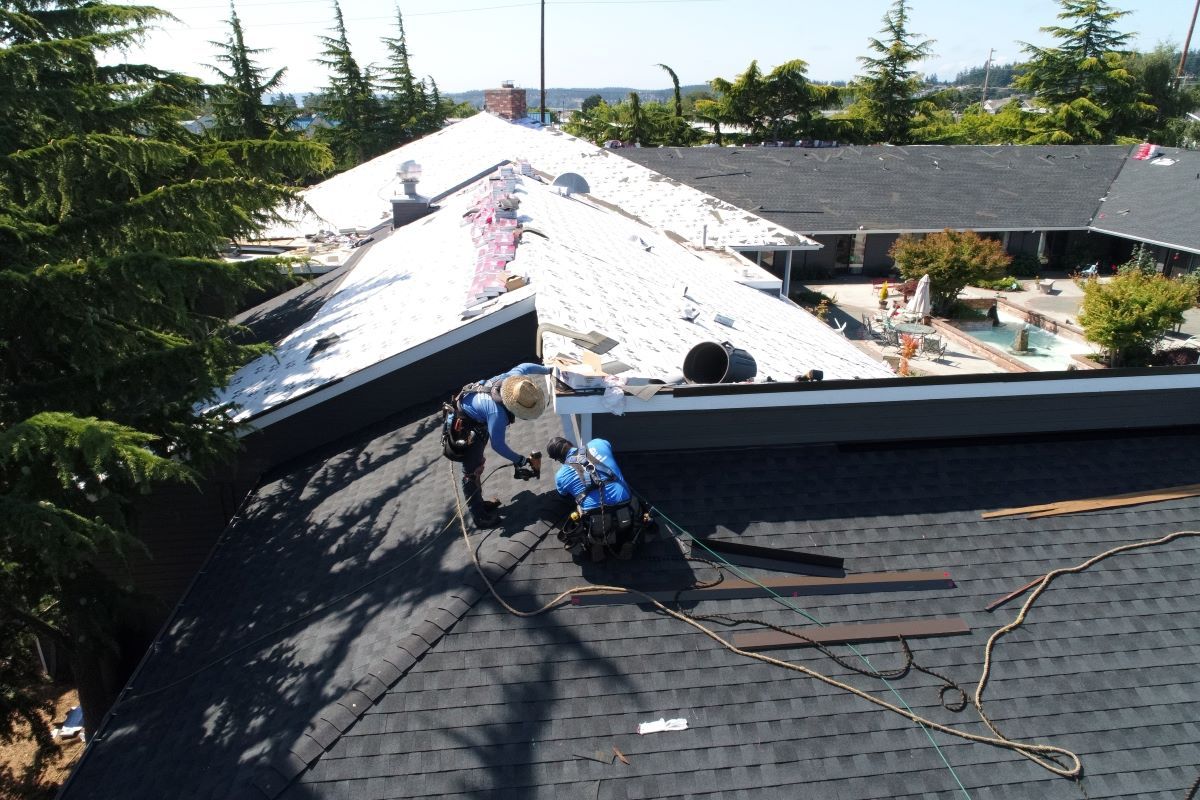
The contractor needs enough healthy roofing around the damaged spot to lift, fasten, overlap, or seal new material correctly. That surrounding condition can determine how large the work area becomes.
Once the roof covering is lifted, wet sheathing or damaged underlayment may become visible. The proposal should explain how unexpected findings will be documented and how added work will be approved.
Flashing works by directing water over the next layer below it. When that sequence is broken at a wall, vent, chimney, or skylight, the repair should rebuild the overlap rather than depend on surface coating alone.
Not every damp area is caused by rain entry. When the exterior clues do not line up, attic humidity, condensation, and ventilation should be considered before opening a roof area unnecessarily.
Valleys collect runoff from more than one roof plane, while eaves have to move that water into the gutter system. Debris or damaged edge details can keep water near a weak point longer than intended.
A clear repair process makes the scope easier to understand
Homeowners can make better decisions when each step has a purpose. The repair process should move from finding the source to defining the work, protecting the property, completing the repair, and reviewing the result.
Show the contractor where the stain or damage appears and describe when you first noticed it. Those details can be compared with roof conditions to narrow down the likely entry point.
The proposal should name the affected roof area, the materials expected to be replaced, and how concealed damage will be handled. That makes it easier to tell a defined repair from a vague patch.
The crew should protect the work area and nearby property, remove only the material required for the agreed scope, and rebuild the damaged section with details that fit the existing roof. Dry conditions may affect scheduling.
Ask what was found after the area was opened and whether the final work matched the original scope. Photos or notes can help document concealed conditions and the completed repair.
Before repair day: Move vehicles and outdoor items away from the roof edge where crews may work, keep children and pets clear of ladders, and make sure the contractor knows exactly where interior staining has appeared.
Understand what makes one repair simpler than another
Repair pricing depends on where the damage sits, how the crew can reach it, what roofing system is installed, and how much material must be removed to correct the failed detail. The visible defect is often smaller than the work area needed for a proper tie-in.
Compare estimates by the work they describe, not only the total. Look for clear language about the repair area, flashing, underlying materials, cleanup, and the process for approving anything that is discovered after the roof is opened.
Request My Roof Repair Estimate
GAF Master Elite®️
residential roofing contractor
GAF lists Axis in its residential contractor directory as a Master Elite contractor and shows a President’s Club distinction.
View Axis in the GAF contractor directoryUse the contractor conversation to connect roofing and drainage details
Axis Roof & Gutter provides residential roof repair as well as roof replacement, gutter, and exterior services. That broader scope can be useful when a leak sits near an eave, wall, or drainage detail where more than one exterior component needs to be considered.
Before approving the estimate, ask the contractor to identify the likely source, the boundaries of the repair, and the plan for any concealed damage. You should be able to understand how the new work will connect back into the existing roof.
GAF certification can relate to product and warranty options on qualifying roofing systems. For a repair, review the written terms that apply specifically to the materials and workmanship included in your proposal.
Browse the Axis project galleryPlan for tree debris, wet weather, and the way water reaches the gutters
Homes in Renton and Fairwood can have very different roof shapes and tree exposure, even within the same neighborhood. When a leak develops, look at how valleys, shaded slopes, walls, and gutters move water around the exact section of roof involved.
Valleys and sidewalls carry concentrated runoff, especially when nearby trees add leaves or needles. A repair near those areas should restore the flashing path and make sure water has a clear route toward the gutter.
Shaded slopes may dry more slowly, while fallen debris can sit behind roof features and along gutter lines. Keeping those areas clear makes it easier to spot lifted roofing, damaged flashing, or drainage trouble early.
Tree cover, fences, landscaping, and driveway placement can shape where ladders and debris protection go. Reviewing access before repair day helps protect the property and gives the crew a clearer setup plan.
Straight answers before you approve a repair
Most homeowners want to know whether the problem can stay a repair, what the contractor will open, and what could change the price. These answers give you a practical starting point for that conversation.
Ask Axis: 360-653-7663A repair is more practical when the leak can be traced to one area and the roofing around it is still in serviceable condition. The contractor should consider the roof surface, nearby flashing, accessible interior clues, and the quality of the tie-in area before setting the scope.
Price depends on access, roof pitch, material type, flashing complexity, the size of the area that must be opened, and whether wet decking or underlayment is found. A useful estimate should explain both the planned work and the process for approving unexpected damage.
Often, yes, if the nearby shingles can be lifted and integrated without breaking. The contractor should check the courses around the damage because brittle or widely worn material can make a small repair unreliable.
Water can move along decking, framing, fasteners, or insulation before it drops onto a finished ceiling. That is why an interior mark should be matched with exterior roof evidence instead of assuming the opening is directly above it.
No. Flashing should be evaluated where it connects to the damaged area. Sound pieces may remain, while loose, bent, corroded, or poorly integrated flashing may need to be corrected so the repaired roof can shed water properly.
Yes, especially near roof edges. Overflowing gutters or debris that slows drainage can keep water around eaves and adjoining materials. The roof and gutter connection is worth checking when the interior moisture is close to an exterior wall.
Damaged sheathing may need to be replaced before the roof covering is restored. Ask the contractor to document what was found, explain the additional work, and get approval according to the process in your proposal before expanding the repair.
Review the written terms that apply to the contractor work and any new products installed in the repair area. Repair coverage can differ from the warranty structure of a complete roofing system, so read the exact scope and exclusions.
Call 360-653-7663 or use the online free-estimate request. Share where the problem appears, when you first noticed it, what the weather was doing when it leaked, and any repair history you know. Those details can help the team focus the initial evaluation.
Turn the roof concern into a defined next step
Start your Renton or Fairwood roof repair by showing Axis where the problem appears and what you have noticed. A focused evaluation can help define the source, the repair area, and the next practical step.


