Repairs keep moving to new areas
If one repair is followed by another leak somewhere else, the roof may have more than one vulnerable detail. Mapping where water has entered can show whether the issue is still local.

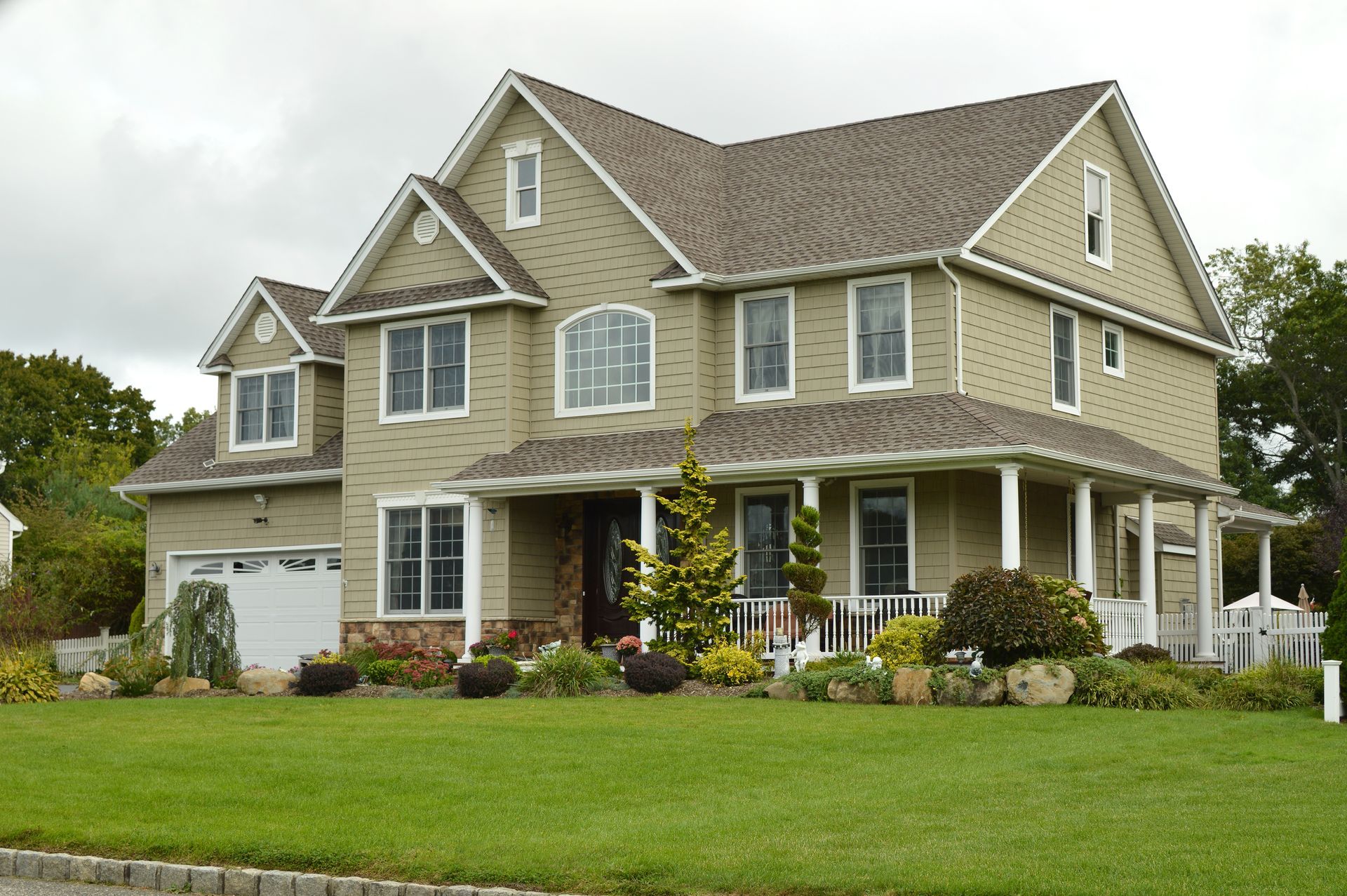
Axis Roof & Gutter | Renton and Fairwood roof replacement
A worn roof can show up as a leak, loose shingles, soft decking, or trouble at the roof edge. In Renton and Fairwood, the better question is whether the problem is still isolated or has started affecting the roof as a whole.
Look at the full roof before deciding how much work it needs.
A roof decision should match the evidence
A full replacement makes more sense when wear is spread across the roof, repairs keep returning, or the surrounding materials are too weak to support another dependable patch.
Axis Roof & Gutter can help homeowners separate one repairable defect from broader roof-system decline. That review can include the roof surface, flashing, deck condition, ventilation, and the way runoff reaches the gutters.
Rainy periods and shaded roof areas can keep small drainage or flashing problems active longer. For homes in Renton and Fairwood, the scope should explain how the new roof will manage water at valleys, edges, penetrations, and transitions instead of focusing only on the visible material.

Patterns matter more than one symptom
A single stain or missing shingle does not settle the question. Replacement becomes more relevant when several conditions point to a roof that is losing reliability across more than one area.
If one repair is followed by another leak somewhere else, the roof may have more than one vulnerable detail. Mapping where water has entered can show whether the issue is still local.
Brittle tabs, lifting edges, widespread granule loss, or cracking on several roof faces can indicate that the covering is aging as a system rather than failing in one small spot.
Soft sheathing, repeated flashing trouble, or moisture found in different parts of the roof can expand the project beyond surface-level repairs.
A targeted repair can be a good choice on a healthy roof. Once the surrounding materials are worn, repeated patching may only move the next problem down the line.
Use age as context, not the verdict. Installation quality, shade, attic airflow, drainage, maintenance, and past repairs all affect how a roof ages. Current condition should drive the decision.
Decide what leaves the roof dependable
The useful question is not whether a damaged spot can be covered. It is whether the surrounding roof is sound enough for that correction to hold up without leaving known problems nearby.
| What to review | A repair may still be reasonable | Replacement may be the stronger option |
|---|---|---|
| Location of the failure | One area is affected and nearby roofing remains serviceable. | Leaks, storm damage, or material wear appear in several areas. |
| Strength of nearby materials | Shingles, deck, and flashing around the defect can support a focused correction. | The surrounding roof is brittle, deteriorated, or difficult to disturb without creating more damage. |
| History of water entry | The source can be identified and corrected without opening a broad section of roof. | Water has returned, or more than one roof detail may be allowing moisture in. |
| Value of the next repair | The repair resolves the known problem without leaving widespread decline behind. | Another patch would delay a larger project while the rest of the roof continues to lose reliability. |
Choose a roof system that fits the house
The right material depends on the roof shape, slope, transitions, drainage, appearance goals, and how the system will be detailed at penetrations and edges. The finish is only one part of the decision.
Architectural shingles work well on many sloped homes and offer a wide range of profiles and colors. The proposal should show how the shingles connect with the rest of the roof system instead of treating them as a stand-alone product.
Do not overlook the details: Shingles perform best when deck condition, ventilation, flashing, and drainage issues are corrected as part of the same scope.
Metal roofing changes how seams, edges, valleys, wall intersections, and penetrations are built. Panel profile, finish, attachment method, and roof geometry should all be considered before selecting a system.
Plan for movement: Metal expands and contracts as temperatures change, so flashing and attachment details need to be compatible with the selected panel system.
Different roof sections may need different assemblies. A porch, addition, or low-slope area may not use the same material as the main roof. The estimate should identify each surface and explain how the transitions will be handled.
The visible roof is only the outer layer
A clear estimate should explain what happens to the existing deck, water-shedding layers, flashing, ventilation, and roof-edge details. Those parts determine how the new covering works as a complete system.
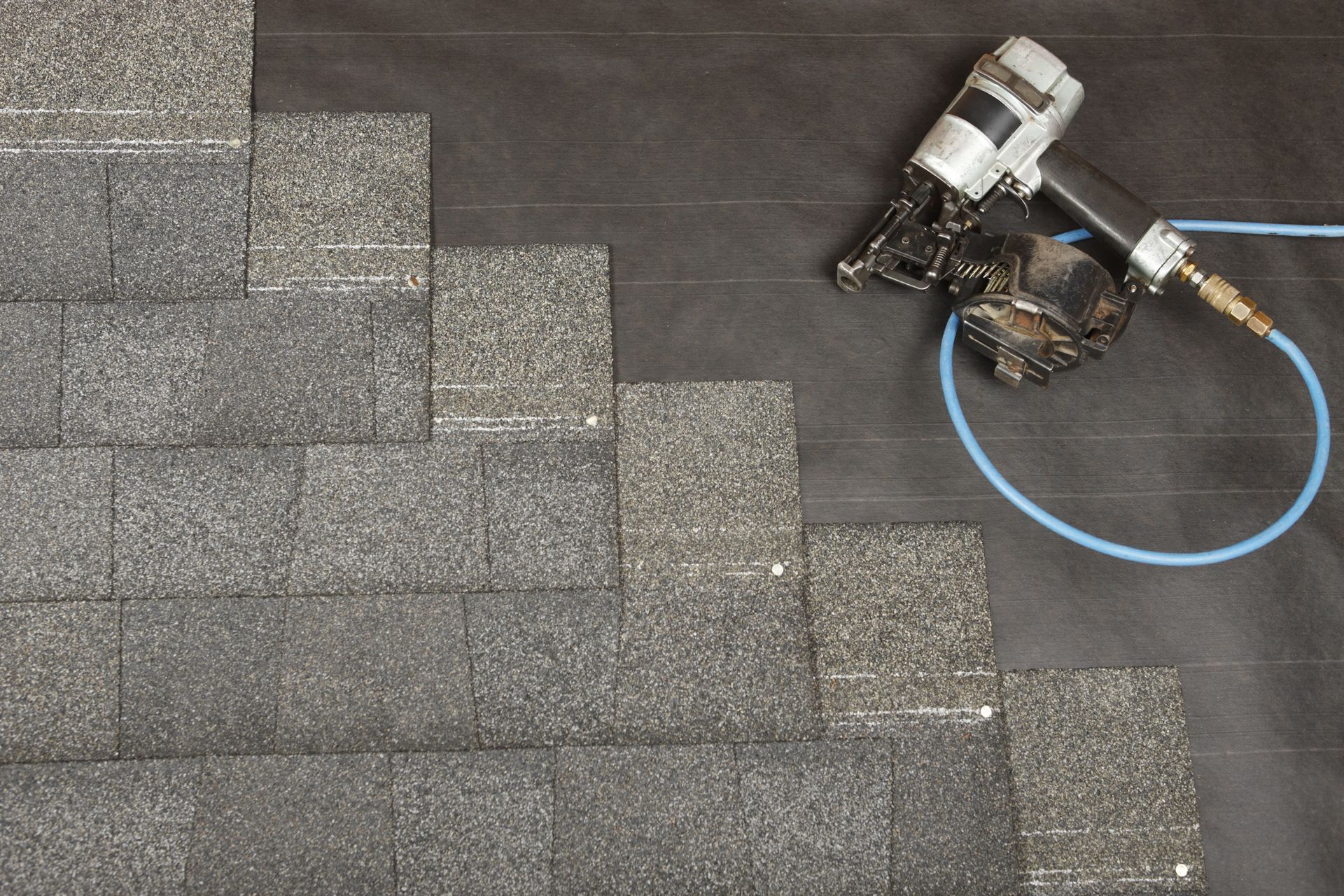
Removing the old roof exposes the sheathing. Any soft, damaged, or unsuitable sections should be identified before the new system is installed.
Underlayment and added protection at vulnerable areas help manage water that gets below the outer covering. The products and locations should match the selected system.
Walls, vents, chimneys, and skylights break up the drainage plane. Flashing should be integrated with the new roof rather than simply covered by it.
Attic airflow depends on the layout of the home and roof. The replacement plan should note whether existing ventilation will stay or needs to change.
Valleys, eaves, drip edges, and gutters all influence where runoff goes during wet weather. Their connections should be reviewed before the roof is closed up.
Know what happens before tear-off begins
Roof replacement brings noise, material deliveries, debris, and weather decisions. A written sequence makes the project easier to follow and gives homeowners clear points to ask questions.
Review leak history, visible wear, old repair areas, and your goals for the next roof. This is where repairable issues are separated from broader deterioration.
Select the roofing system and list the components, exclusions, and approval process for concealed deck damage or other changes that cannot be confirmed until tear-off.
Plan access, material placement, landscaping protection, debris handling, and weather precautions before removal begins. Installation then follows the agreed scope.
Walk through the completed scope, cleanup, product documents, and care information. Confirm who to contact if questions come up after the project is complete.
Make space for the work zone. Move vehicles when requested, keep pets and children away from active areas, and protect outdoor or interior items that could be affected by vibration or falling debris.
The total follows the actual roof scope
Roof size matters, but it is only one part of pricing. Pitch, stories, roof geometry, access, material choice, tear-off, flashing details, and deck conditions can all change the labor and materials required.
When estimates look different, compare what is actually included. Check the written scope for removal, underlayment, flashing, ventilation, disposal, deck repair allowances, and the selected roofing system.
Request a Renton and Fairwood Roof Estimate
GAF Master Elite(R)
certified contractor
GAF lists Axis Roof & Gutter as a Master Elite residential roofing contractor and shows a President's Club distinction.
Review Axis GAF credentialsAsk the questions that change the scope
Axis Roof & Gutter provides residential replacement, roof repair, gutter work, and exterior services. That broader view can help when a roofing issue connects with drainage or another exterior transition.
A useful proposal should show what will be removed, which components can stay, the products being installed, and how hidden conditions will be handled if they appear during tear-off.
With GAF Master Elite certification and a President's Club distinction, Axis can discuss manufacturer-backed options that may apply to qualifying GAF systems. The selected system and its terms determine coverage.
See Axis roofing project photosLocal roof conditions should shape the scope
Homes in Renton and Fairwood can have shaded roof planes, mature trees, mixed rooflines, and sections that shed rain toward tight gutter runs. The replacement plan should respond to the house in front of you rather than rely on a standard package.
Watch where water concentrates during wet weather. Valleys, lower roof sections, drip edges, and gutter connections should move runoff without sending it behind trim or over problem areas.
Tree cover can leave some slopes damp longer and collect needles or leaves. Roof ventilation and routine debris removal both matter when planning a new system.
A later addition, attached garage, split roof level, or narrow side yard can change staging and installation details. Review each roof area before materials are ordered.
Common questions before a local roof replacement
If you are deciding whether to replace a roof in Renton or Fairwood, these questions can help you prepare for an estimate and compare proposals more carefully.
Talk with Axis: 360-653-7663Yes, sometimes. One leak may come from a localized flashing, penetration, or damaged section. Replacement becomes more likely when nearby materials are also worn, brittle, repeatedly leaking, or unable to support a durable repair.
The written scope can vary even on similar homes. Roof area, pitch, tear-off, access, valleys, material choice, flashing, ventilation, and possible deck work all influence the total.
Tear-off and installation need workable conditions. Rain can change the daily plan, while roof complexity, material availability, crew sequencing, and hidden conditions can also affect timing.
Expect noise, foot traffic, debris handling, and active work around the home. Move vehicles when requested, keep pets and children away from work zones, and secure fragile items that could be affected by vibration.
Tear-off exposes the deck and old details that cannot be fully checked from above. The proposal should explain removal, deck inspection, disposal, and how concealed damage will be addressed.
Not automatically. Gutters should be checked where they meet the roof edge, but serviceable gutters may remain. Any gutter removal, repair, or replacement should be listed clearly in the scope.
Affected sections may need replacement before the new roof can be installed correctly. Ask how the condition will be documented, how added work is priced, and how approval will be handled.
Review manufacturer product coverage and contractor workmanship coverage separately. Check eligibility, registration steps, exclusions, transfer terms, and any requirements tied to the selected system.
Call 360-653-7663 or request a free estimate online. Tell the team what you have noticed, where the problem appears, and whether repairs have been attempted. Mention if you are comparing shingle and metal replacement options.
Start with a roof-specific scope
Talk through the condition of the current roof, the material options you are considering, and the details that should be included for your home before choosing the next step.


