A stain that grows after rain
Tell the roofing team when the mark appears and whether previous work changed it. Water may travel from its entry point, so a stain does not identify the roof repair location by itself.

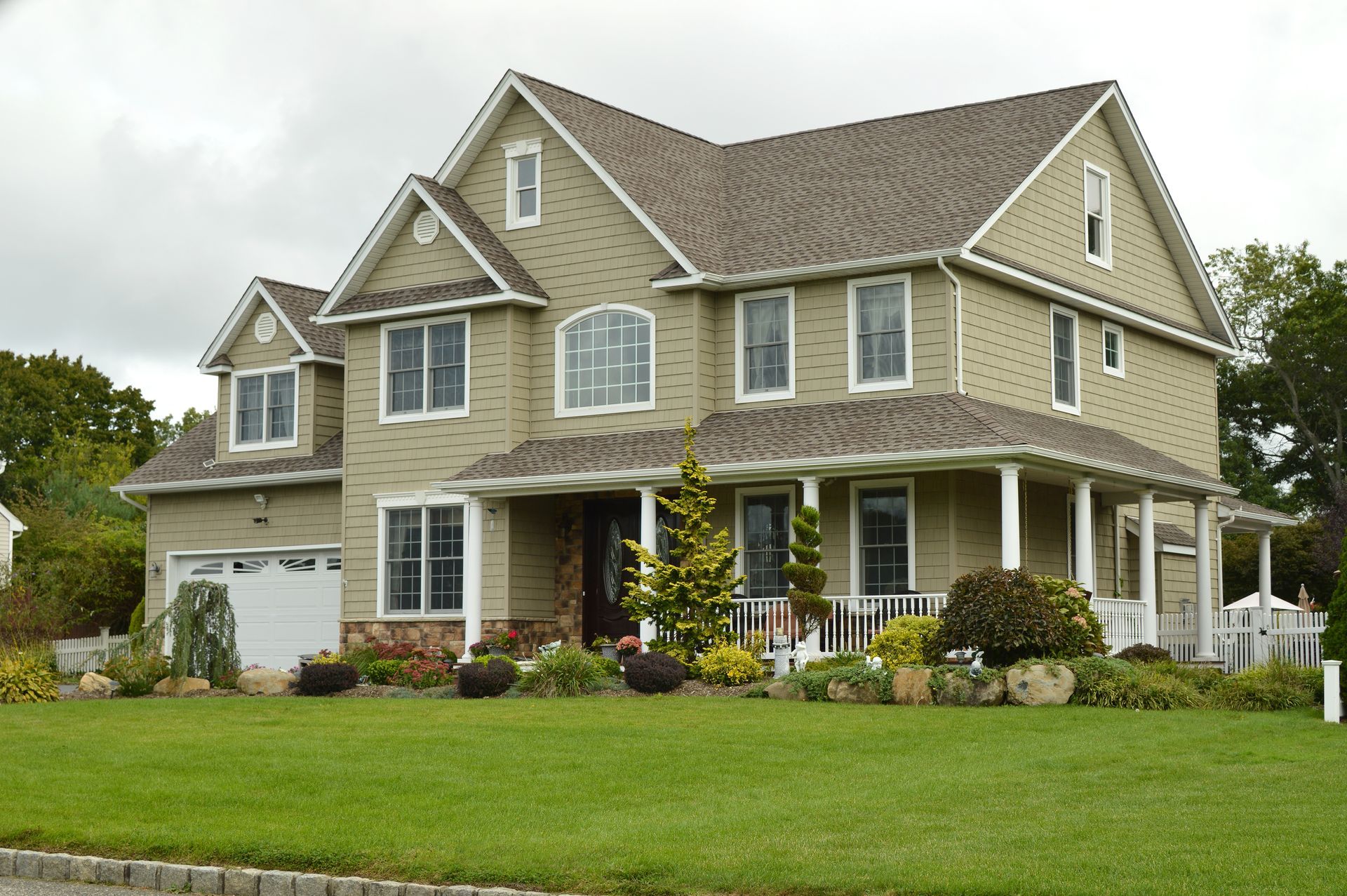
Roof repair and replacement for your home
A ceiling stain or loose shingle leaves you with a question: how much work does the roof actually need? Axis Roof and Gutter helps you sort out repairs, replacement, and the details behind an estimate.
Start with the problem. Review the condition. Choose the work your roof needs.
Help with the roof you already have
Roofing work can mean correcting one failed detail or replacing a covering that has worn out. The first decision is the scope, not the color of your next roof.
Axis provides residential roof repair and replacement, along with gutter and exterior services. Bring up recurring leaks, visible damage, or concerns about an older roof. These observations help frame the assessment without assuming the whole roof has failed.
A repair needs serviceable materials around it. A replacement needs more than a new surface. In either case, ask how the proposed work addresses flashing, the condition beneath the covering, and water leaving the eaves. The explanation should connect the recommendation to your roof.
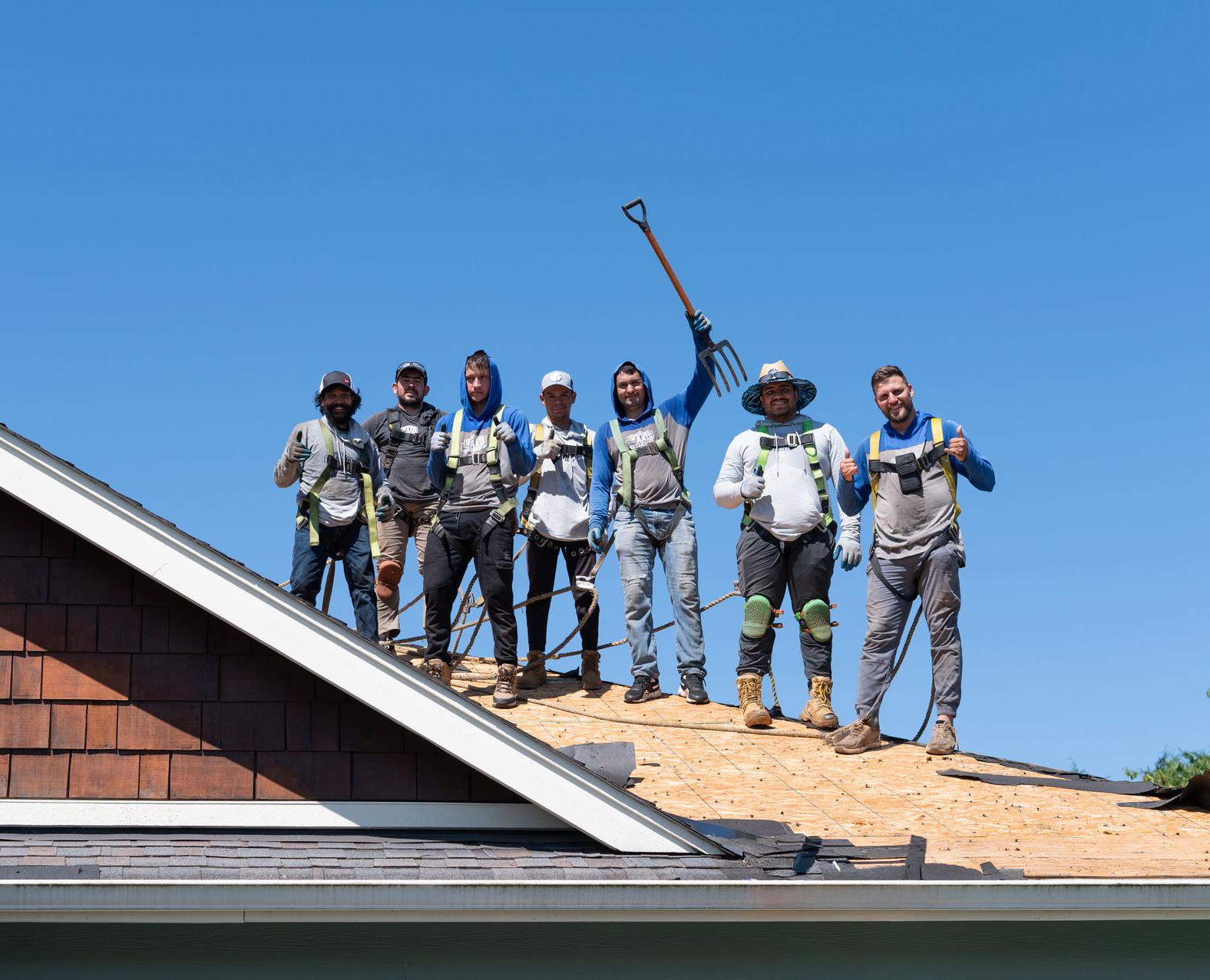
Changes worth getting checked
Some roof problems announce themselves indoors. Others show up as lifted shingles or water spilling where it should not. Note what changed and when, then let the condition of the roof determine the next step.
Tell the roofing team when the mark appears and whether previous work changed it. Water may travel from its entry point, so a stain does not identify the roof repair location by itself.
A few damaged shingles deserve attention, but their surroundings matter too. Widespread cracking, curling, or surface loss raises a different question than damage confined to a small, otherwise sound area.
Leaks close to a chimney, vent, or skylight may involve the flashing rather than the main covering. Include these locations in the assessment instead of assuming a surface patch will address them.
Before paying for repeated repairs, ask what each one has corrected and what remains unresolved. A history of separate failures can make a larger project worth discussing, particularly when surrounding materials are deteriorating.
Start with observations, not a roof walk. Share photos taken from a safe location and any previous repair records. Leave roof access to the roofing team; you do not need to climb up to request an estimate.
Match the solution to the damage
Repair is a reasonable option when the defect can be corrected without leaving major weaknesses in place. Replacement becomes more relevant as deterioration spreads. These are questions to resolve through an assessment, not rules based on age alone.
| Assessment finding | Reasons to discuss repair | Reasons to discuss replacement |
|---|---|---|
| Damaged area | A limited defect can be reached and corrected within a sound section. | Several roof slopes show damage that cannot be handled as one isolated fix. |
| Material strength | Adjacent shingles or roofing details can support the proposed repair. | The existing covering is too worn or fragile for a lasting localized correction. |
| Previous work | An identifiable issue remains after an incomplete or unsuccessful earlier repair. | Different components continue to fail despite separate attempts to correct them. |
| Unresolved needs | The repair addresses the concern without postponing other necessary roofing work. | Another patch would leave extensive deterioration and additional work ahead. |
Material choices without the guesswork
Axis installs asphalt shingle and metal roofs. For a replacement, compare how each proposed system fits your house, including the slope and roof intersections. For repairs, compatibility with the existing roof comes first.
Architectural shingles can suit a homeowner who wants a dimensional roof surface with color choices to compare against the exterior. Look beyond the sample: the estimate should identify the actual product and the supporting components proposed for your house.
For a smaller repair: Ask how the replacement material will work with the existing covering. A color sample alone does not establish compatibility.
Metal changes both the appearance of a home and the details of installation. Panel shape, attachment, and the way the roof meets walls or valleys all need consideration. Discuss the proposed assembly rather than comparing metal and shingles by appearance alone.
Before selecting metal: Have the fastening and flashing approach explained. The assembly must account for movement as the material heats and cools.
Does the house have more than one roof slope? A porch or addition may require a different assembly. Have those areas identified in the estimate so their materials and connecting details are not overlooked.
Look beyond the visible covering
Even a small leak can involve more than shingles. Ask which components need work now, which can remain, and what cannot be confirmed until the covering is opened.
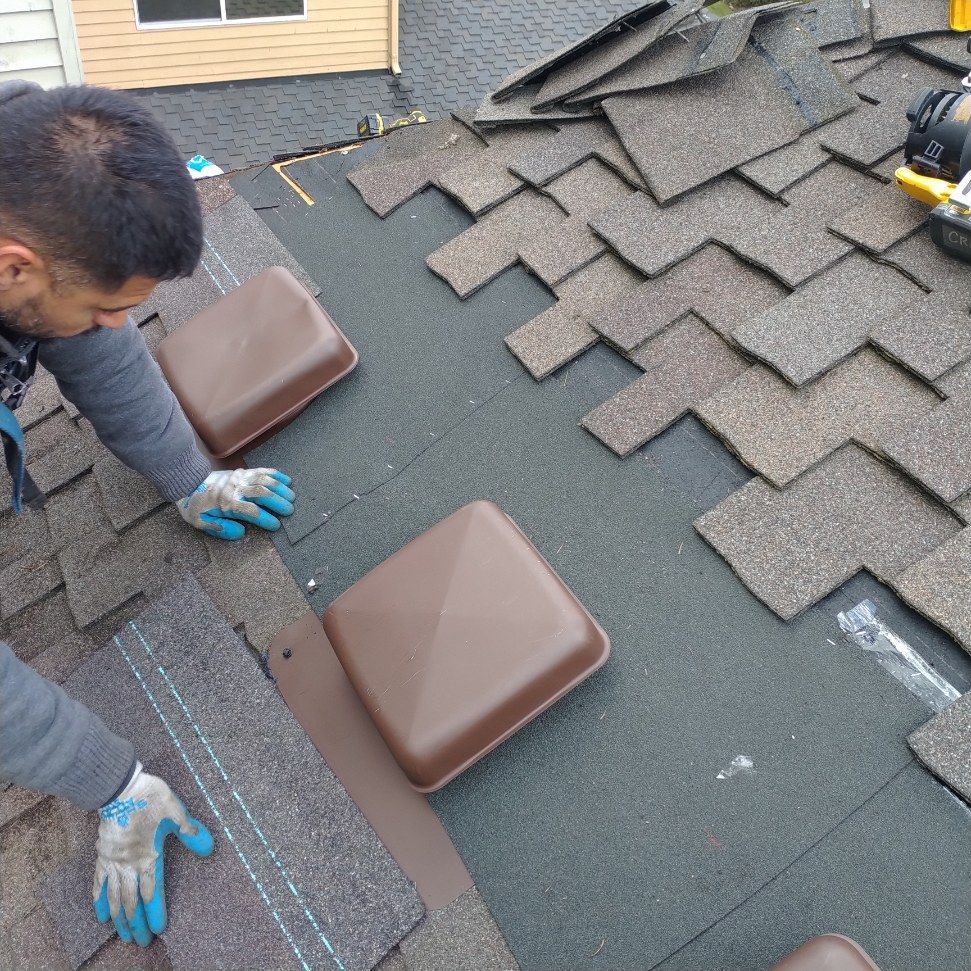
The roof deck supports the covering. When removal exposes damaged material, the proposal should provide a way to document the condition and approve the additional work.
Underlayment is part of the assembly beneath the shingles or panels. Discuss how it will be handled in the repair area or across a replacement roof.
Walls, vents, and skylights break up the roof surface. Identify the flashing work at these junctions instead of relying on a broad reference to roof repairs.
Ventilation needs depend on the attic and roof design. Ask about intake and exhaust together, rather than assuming an extra vent resolves the concern.
The roof must shed water into the intended drainage path. Include valleys, edge details, and gutter condition when discussing moisture around the eaves.
Keep the project understandable
You should know what is being investigated, what the estimate includes, and how the work will affect your household. Use these stages to organize the conversation with Axis.
Share when leaks started, where damage appears, and what has already been repaired. Explain whether you want to solve a current problem or plan ahead for replacement.
Discuss the condition behind the recommendation. Compare any viable repair and replacement approaches, with the materials and limits of each option clearly described.
Confirm the written scope, access arrangements, property protection, and weather planning. Set out how unexpected conditions and changes to the price will be communicated.
Go over the completed items, cleanup arrangements, and project paperwork. Keep the material information and any applicable written coverage with your home records.
Make room for the work: Ask where vehicles, materials, and debris containers will go. Plan a route for your household that stays away from the work area, and keep pets and children clear.
Know what you are comparing
A localized repair and a full replacement involve very different amounts of work. The estimate should identify the problem being addressed, the roof areas included, and the materials needed. A price without that context is difficult to evaluate.
For a larger project, compare the less visible items as carefully as the roof covering. Removal, decking allowances, flashing, and disposal can explain why two proposals for the same house differ.
Request a Written Estimate
GAF Master Elite®️
certified roofing company
Axis holds GAF Master Elite certification and a President's Club distinction, both shown in the manufacturer's contractor listing.
Check the GAF contractor listingOne conversation about connected concerns
Roof trouble does not always stop at the last row of shingles. Because Axis offers roofing, gutter, and exterior services, you can raise a leaking roof junction and an overflowing gutter in the same conversation without treating them as the same defect.
For your South Hill home, bring questions about what can remain, what needs replacement, and how the team reaches that conclusion. A useful estimate makes those distinctions visible rather than leaving you to interpret a single roofing total.
GAF certification does not mean every project carries the same warranty. Ask which product and workmanship terms apply to the specific work proposed, including any eligibility conditions for additional manufacturer coverage.
See roofing examples in the Axis galleryLet the house guide the details
Pierce County rainstorms can put drainage under pressure. For a South Hill homeowner, that makes the route from roof to gutter worth discussing alongside a leak or worn covering. Your own roof layout still determines the work.
Note where water overshoots, backs up, or spills during rain. These observations help separate a roof-covering concern from a gutter or outlet problem that may need its own attention.
A porch, addition, or altered attic can introduce different slopes and connections. Point out past changes so the roofing discussion includes the transitions, not just the largest roof area.
Identify the driveway space, entrances, and landscaping you need protected. Discuss delivery and removal arrangements before work is scheduled, including any property-specific restrictions that apply.
Questions before you commit
Not sure which service to request? These answers cover common decisions about repairs, estimates, and roof work before you contact Axis.
Talk to Axis: 360-653-7663No. A leak can come from a limited defect, including a flashing problem, while the rest of the roof remains serviceable. The assessment should trace the likely source and check nearby materials before deciding whether a targeted repair is appropriate.
Describe the location, when it appears, and whether previous repairs helped. Photos from inside the house and earlier invoices can be useful. Do not assume the entry point is directly above the stain, and do not climb onto the roof to investigate it yourself.
Yes. Choosing a product is not the first step when the needed work is uncertain. Discuss the condition and the practical repair options first. Material comparisons become more useful once you know whether the project involves a limited repair or a replacement.
Yes. Overflow and water entering through the roof can have different causes, even when they appear near the same eave. Explain both symptoms. The roofing scope and any gutter work should state what each item addresses rather than assuming one correction solves everything.
Age helps establish its history, but it does not describe the condition by itself. Material wear, installation details, exposure, and previous repairs all matter. A roof assessment gives those factors context before you decide to keep repairing or plan a replacement.
The affected material may need to be repaired or replaced before roofing work continues over that area. Agree ahead of time on how concealed damage will be shown to you, how additional work is priced, and who approves changes to the estimate.
That depends on the work and your comfort with noise and activity. A full tear-off is more disruptive than some localized repairs. Discuss access and work areas, make arrangements for children and pets, and consider another place to work if you need quiet.
First check that both address the same roof area and suspected cause. Then compare removal, materials, flashing, disposal, and any exclusions. Ask whether each proposal is a complete repair or a temporary measure, and request the applicable coverage terms in writing.
Reach Axis at 360-653-7663 or send a free estimate request. Include your South Hill address and the concern you want checked. Mention any past repairs so the initial conversation starts with the history of your roof.
Get the problem into perspective
Tell Axis what has changed, from a new stain to another failed patch. Request a free estimate and discuss a roof plan based on the condition of your home.


