A stain that returns after rain
Water showing up in the same ceiling area after wet weather may come from flashing, a penetration, or roofing higher on the slope. Tracing the path matters because the interior stain may sit away from the entry point.

Axis Roof & Gutter · Residential roof repair
A roof problem does not always mean you need a new roof. Start by finding the source of the leak or damage, then decide what repair will protect the surrounding system.
Leak tracing. Focused repairs. Clear next steps for your roof.
Fix the weak point, protect the rest of the roof.
Roof repair is most useful when damage can be isolated, the nearby materials are still serviceable, and correcting the failed detail can restore dependable protection.
Axis Roof & Gutter helps homeowners sort out leaks, damaged roofing, flashing trouble, and other localized concerns. The goal is to identify the source first, not cover the symptom with another patch.
A lasting repair may involve more than the top layer. Shingles or panels, flashing, underlayment, decking, vents, and drainage details can all affect where water travels and what needs attention.
Small warning signs can point to a repairable problem
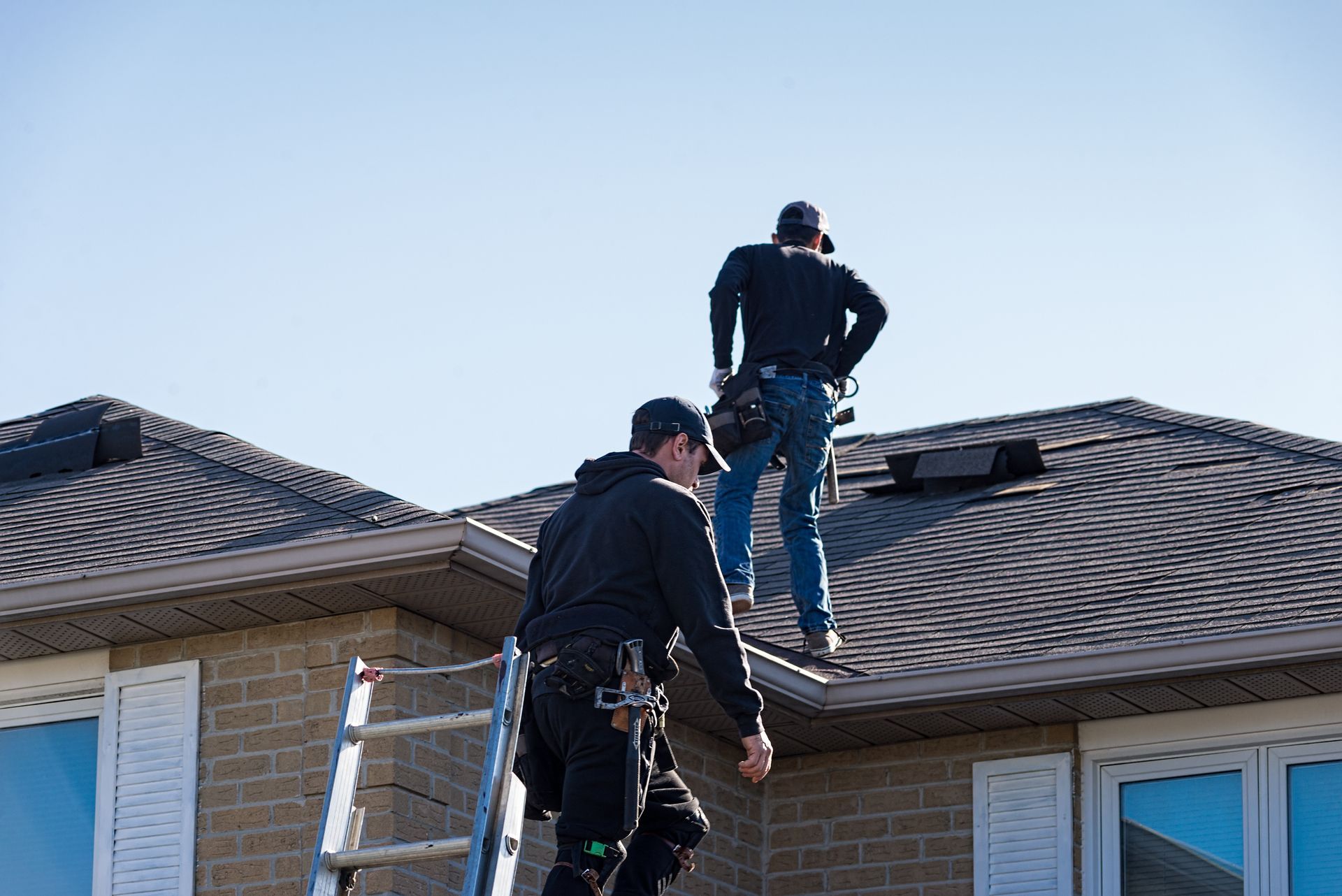
The earlier a roofing issue is evaluated, the easier it is to understand whether the damage is still localized. Stains, loose materials, or a small leak can be clues rather than the whole story.
Water showing up in the same ceiling area after wet weather may come from flashing, a penetration, or roofing higher on the slope. Tracing the path matters because the interior stain may sit away from the entry point.
A small group of damaged shingles can leave the underlayment exposed or allow wind-driven rain underneath. Repairability depends on the condition of the nearby shingles and the roof below them.
Pipe boots, wall intersections, valleys, and other transitions rely on correctly placed flashing. Failed sealant or displaced metal can create a concentrated leak even when the broader roof is still in usable condition.
If moisture has reached the roof deck, the affected area may need to be opened so damaged materials can be assessed. A surface-only patch should not hide a weakened substrate.
Do not judge the repair by the stain alone. Roof leaks can travel along framing, underlayment, or roof components before they become visible indoors. A focused inspection helps connect the symptom to the actual entry point.
Repair the right area for the right reason
A repair is usually worth considering when the failure is contained and the surrounding roof can support new work. Replacement becomes a stronger discussion when deterioration is widespread or several components are failing together.
| What to evaluate | Repair may fit | Replacement may fit better |
|---|---|---|
| Damage pattern | The problem is limited to one section, penetration, flashing detail, or small group of materials. | Wear or damage extends across several slopes or repeats in unrelated areas. |
| Condition nearby | Adjacent shingles, metal, flashing, and deck are stable enough to tie into a repair. | Nearby materials are brittle, loose, saturated, or too deteriorated to integrate reliably. |
| Leak source | The entry point can be identified and corrected with a defined repair scope. | Multiple possible sources or recurring leaks suggest a broader roofing problem. |
| Homeowner goal | A focused repair solves the current issue without leaving known failures unaddressed. | Frequent repairs are becoming a pattern and no longer provide a practical long-term path. |
Match the repair to the roofing system
The repair method should fit the material already on the home and the detail that failed. Matching appearance matters, but compatibility and water-shedding details matter more.
Shingle repairs may address missing tabs, wind damage, punctures, or small sections around a leak. The nearby shingles need enough flexibility and remaining condition to be lifted and integrated without causing more damage.
Key point: Replacing a few shingles only works when the leak source and any damage beneath them are also addressed.
Metal roof repair can involve fasteners, seams, penetrations, flashing, or a damaged panel area. The repair needs to account for the existing panel profile, attachment method, and the way the metal moves with temperature changes.
Key point: Sealant alone is not a substitute for correcting a loose fastener, failed flashing detail, or damaged panel connection.
Have a porch, addition, or low-slope roof tied into the main house? Leaks often develop where two roof assemblies meet. The repair plan should account for the transition between materials, slopes, and drainage paths instead of treating each surface in isolation.
A leak can involve several roof components
A reliable repair starts with the failed detail and checks the materials around it. Depending on what is found, the scope may involve one or several parts of the roof assembly.
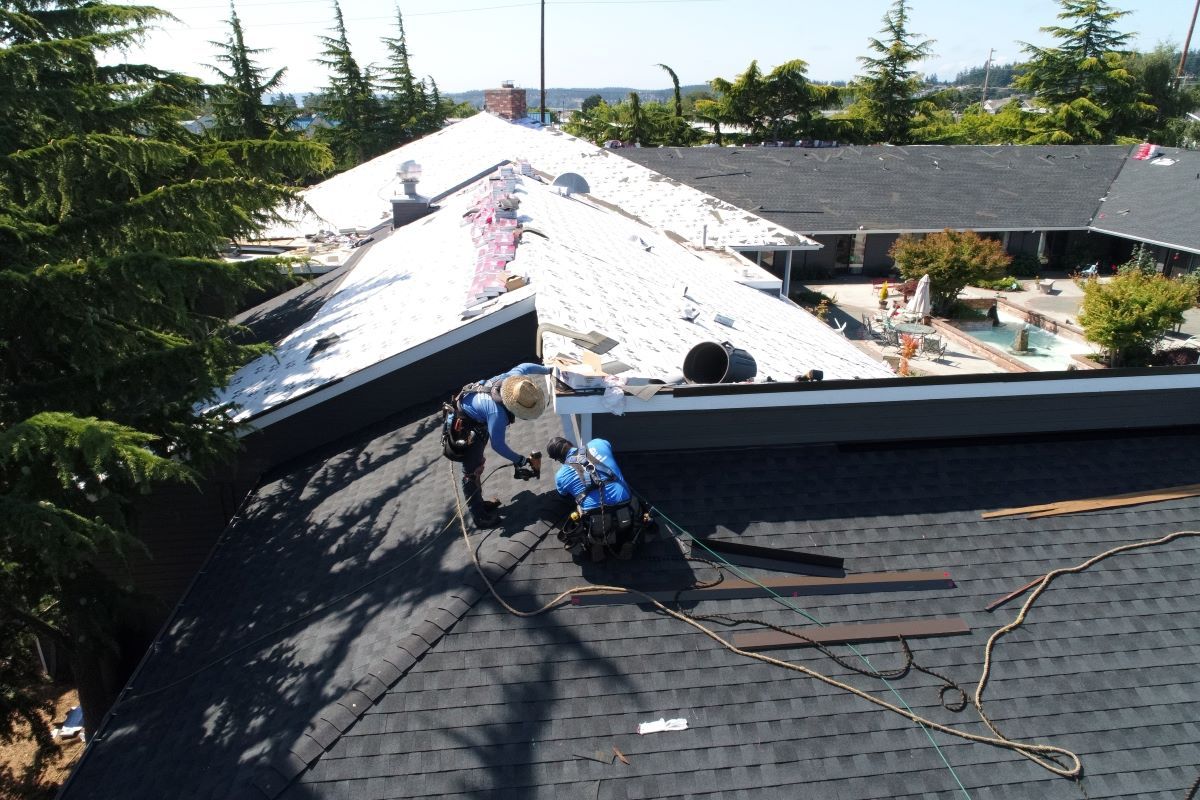
If the roof deck feels soft or shows moisture damage after the covering is opened, that section may need repair before new roofing can be secured properly.
A repair that exposes underlayment should account for tears, water intrusion, and how new protection will lap with the existing layer so water continues to shed downslope.
Chimneys, sidewalls, vents, and skylights depend on flashing that works with the roof covering. Loose or poorly integrated flashing can be the actual source of a leak that looks like a shingle problem.
Ventilation is not automatically the cause of a leak, but roof vents and their flashing should be checked when moisture or staining appears nearby.
Valleys move concentrated water toward the eaves. Debris, damaged edge details, or drainage problems can contribute to leaks and should be reviewed when they connect to the repair area.
From leak report to finished repair
A roof repair should have a defined problem, a written scope, and a clear way to handle anything concealed beneath the surface. These are the stages worth discussing before work starts.
Show the roofer where you noticed the problem, when it appears, and any past repair history. The inspection should connect those clues to the roof area above.
Review which materials or details will be opened, repaired, replaced, or resealed. Ask what conditions could change the scope after the roof is opened.
Coordinate access and property protection, then complete the repair using methods appropriate for the existing roofing system and the damaged area.
Review the completed repair, cleanup, and any photos or documentation provided. Ask what signs to watch for during future wet weather.
Before the crew arrives: Move vehicles or outdoor items if they sit below the work area, keep pets away from access points, and let the crew know about attic access or interior staining that may help trace the leak.
Understand what drives the repair scope
Roof repair pricing depends on what failed, how easy the area is to reach, and what is found beneath the surface. A small visible defect can involve more work if moisture has traveled into flashing, underlayment, or decking.
Compare repair estimates by scope, not just by the total. Look for clear descriptions of the affected area, materials, access, and how additional damage will be handled if it becomes visible during the work.
Request My Roof Repair Estimate
GAF Master Elite®️
roofing contractor
Axis is listed in GAF’s residential contractor directory with Master Elite certification and a President’s Club distinction.
View Axis’s GAF credentialsA repair conversation should start with the roof, not a sales pitch
Axis Roof & Gutter provides residential roof repair along with roof replacement, gutter, and exterior services. That allows connected issues such as roof-edge drainage or a leaking transition to be considered in the same visit.
A useful estimate should tell you what area is being repaired, which components are included, and what could change once materials are opened. Ask for the scope in terms you can follow before the work begins.
For any repair involving manufacturer products or existing warranty coverage, ask which terms apply to the specific work. Eligibility and exclusions can vary by roof and product.
See examples in the Axis project galleryRepair planning for the roof you actually have
Two homes on the same street can leak for different reasons. Roof shape, shade, nearby trees, past work, and where water drains all influence what should be inspected before a repair is chosen.
Note whether staining appears only during long rain, wind-driven rain, or after water has had time to collect. Those details can help narrow the likely entry area before roofing is opened.
Needles, leaves, and persistent shade can hold moisture near valleys, gutters, and roof transitions. The inspection should look at drainage and the roofing beneath any buildup, not just clear the surface.
Dormers, porch roofs, additions, and intersecting slopes create transitions where flashing and drainage details matter. Repairs should fit the way those roof sections connect.
Roof repair answers
Trying to decide what to do about a leak or damaged roof in South Hill, WA? These questions can help you prepare for a repair estimate and understand the scope you are being offered.
Ask our team: 360-653-7663A repair may be practical when the source is identifiable, the damage is localized, and the surrounding roofing is still in workable condition. If deterioration is widespread or several areas are failing, replacement may deserve a separate discussion.
Cost depends on the repair area, roof access, material type, flashing or penetration details, and whether moisture has damaged underlayment or decking. A roof-specific estimate should explain what is included and how added work will be approved.
A small leak is worth checking promptly because the visible stain may not show the full path of the water. Finding the source early can make it easier to see whether the issue is still limited to one area.
Sometimes. The nearby shingles need to be in good enough condition to lift and integrate with replacement materials. The roofer should also check why the shingles failed and whether underlayment or decking was exposed.
The repair should evaluate the flashing and the roofing tied into that penetration, not just add sealant around the edge. The correct scope depends on the existing detail and where water is actually entering.
If the problem is near an eave, valley, or roof edge, gutter condition and drainage can be relevant. Gutters do not cause every roof leak, but poor drainage or overflow can complicate water management around the repair area.
The affected decking may need to be repaired or replaced so the roofing above it has a sound base. Ask how concealed damage will be documented and priced before additional work is performed.
Coverage depends on the repair contract, products used, and any existing roof warranty. Ask for the applicable workmanship and product terms in writing, including any exclusions that matter to the repaired area.
Call 360-653-7663 or request a free estimate online. Share the property address, where you noticed the leak or damage, when it occurs, and any past repair history that may help the team evaluate the roof.
Get a clear plan for the damaged area
Start with an evaluation of the problem in South Hill, WA, then decide on a repair scope that addresses the source and the surrounding roof condition.


