Leaks returning in different spots
If leaks return after prior repairs or begin showing up in separate areas, the roof may have more than one weak point. Trace each source because water can move before it becomes visible indoors.

Axis Roof & Gutter · Residential roofing
Replacing a roof is a major home project. Start by understanding what is worn, what can stay, and which roofing system makes sense for your South Hill home.
Roof condition first. Shingle and metal choices second. A scope shaped around your home.
A practical plan for the roof over your home.
Replacement becomes worth considering when deterioration is no longer confined to one repairable spot and the remaining roof cannot provide dependable protection.
Axis Roof & Gutter helps South Hill homeowners sort out whether an older or damaged roof is still repairable, then compare shingle and metal choices if replacement is the sensible next step. The discussion starts with condition, not color.
A useful replacement scope goes below the finished roof covering. Decking condition, underlayment, flashing, ventilation, valleys, edges, and drainage should all be discussed before installation begins.

Know when repair may not be enough
One leak does not automatically mean the whole roof must come off. The key question is whether the cause is isolated or part of wider deterioration across the surrounding roofing and details.
If leaks return after prior repairs or begin showing up in separate areas, the roof may have more than one weak point. Trace each source because water can move before it becomes visible indoors.
Shingles that are curling, cracking, shedding heavy granules, or exposing reinforcement across several slopes can make a small patch less useful as a long-term answer.
Damage from wind, failing flashing at several transitions, or moisture affecting the deck can point to a larger scope. What is visible from the ground may not show the whole condition.
When an aging roof keeps needing patches, compare the value of one more repair with the benefit of addressing the worn system in one planned replacement.
Age helps frame the question, but condition decides it. Roof material, installation quality, ventilation, exposure, and upkeep all influence how a roof ages. A condition review puts the calendar age into useful context.
Compare the two paths
The decision comes down to the size of the problem and the condition of everything around it. Use the comparison below to judge whether a targeted repair can still be dependable.
| What to evaluate | Repair can make sense when | Replacement can make sense when |
|---|---|---|
| Extent of damage | The defect is confined to one area and the nearby roof remains serviceable. | Wear or damage affects several sections of the roof. |
| Remaining condition | Nearby roofing still has useful life and can be integrated with a proper repair. | The remaining surface is too brittle or worn to support a reliable repair. |
| Leak history | The leak source can be isolated and corrected without rebuilding broad roof areas. | Leak history suggests several components or locations are contributing to the problem. |
| Long-term plan | A focused repair solves the known issue without ignoring other significant roof problems. | More repairs would postpone, rather than solve, known system-wide concerns. |
Compare practical material choices
Material choice should work with the roof pitch, architecture, budget priorities, and installation details. Compare the complete assembly, not just the sample board.
Architectural shingles provide a familiar residential look with dimensional profiles and many color choices. Product lines differ in construction, ratings, and warranty terms, so compare the exact shingle being proposed.
Worth discussing: Shingles are only the finish layer. Flashing, ventilation, edges, valleys, and installation details should be decided as part of the same roof system.
Metal roofing changes both the appearance and the way the roof is assembled. Panel profile, attachment method, finish, and roof geometry all influence which system is appropriate and how transitions should be detailed.
Worth discussing: Metal moves as temperatures change, so attachment, seams, and flashing must be detailed for the specific panel system.
Does the house include a low-slope porch or addition? That section may require a different roof assembly from the steeper main roof. Make sure the scope explains the material and transition where the two systems meet.
Look under the finished roof
A roof depends on several connected components. Use the written scope to see how each of these areas will be inspected and whether it will stay, be repaired, or be replaced.
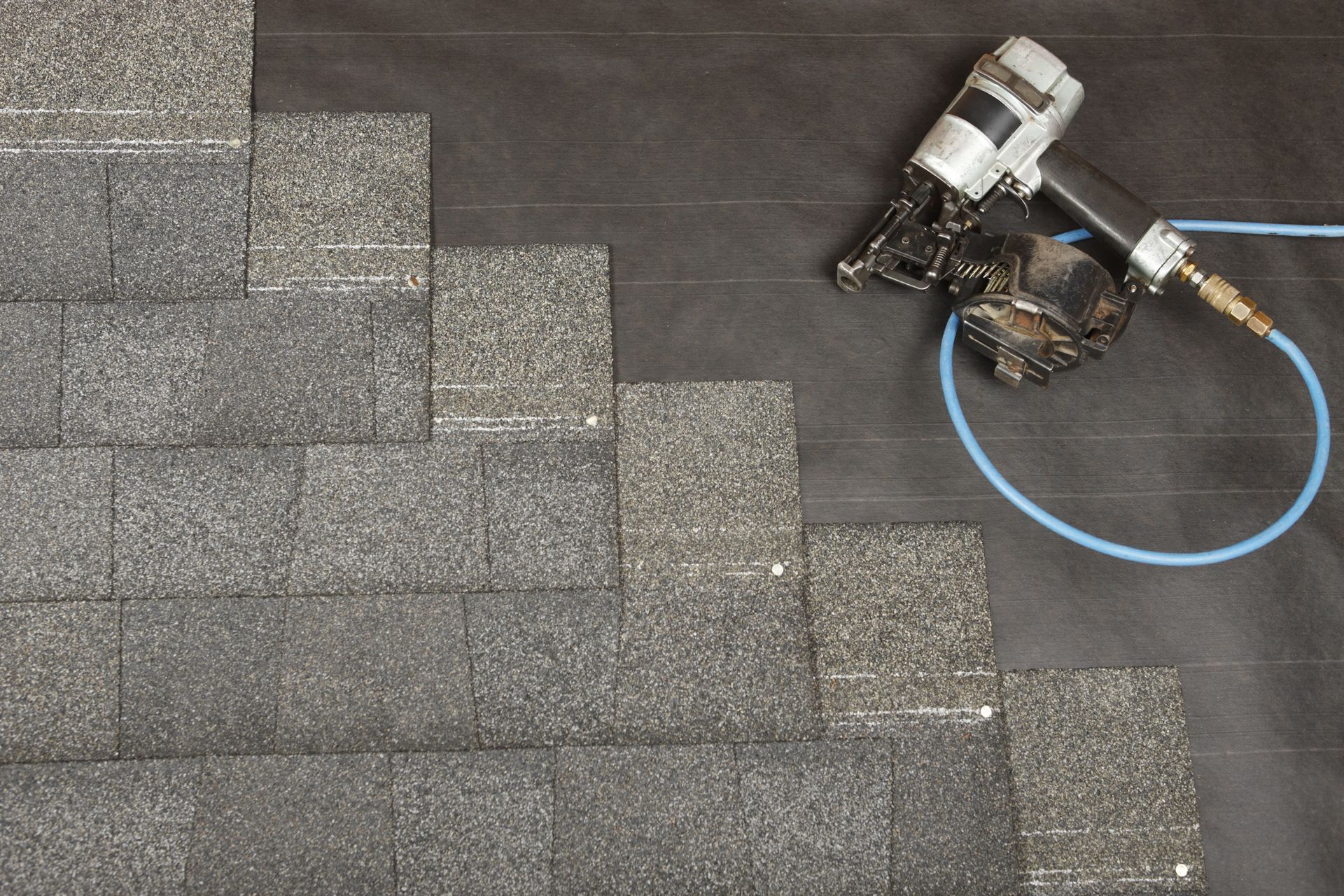
After tear-off, the deck can be viewed directly. Ask how soft, damaged, or unsuitable decking will be documented and priced if repairs are needed.
Underlayment provides a layer beneath the finished roofing. The roof design, product system, and applicable requirements determine where added protection may be appropriate.
Any place where a wall, chimney, pipe, or skylight breaks the roof surface needs deliberate flashing. The scope should identify how those transition points will shed water.
Ventilation works best when intake and exhaust are considered together for the attic configuration. Simply adding more exhaust does not prove the system is balanced.
Valleys carry concentrated runoff, while eaves move water into or past the gutter line. Review edge metal, gutter condition, and transitions as part of the replacement scope.
From roof assessment to project closeout
A roof replacement brings noise, deliveries, tear-off, and installation activity. Reviewing the major stages in advance helps make the work easier to prepare for.
Share leak history, past fixes, and what you want from the project. Review roof condition and decide whether replacement is justified before selecting materials.
Choose the roofing system and review exactly what is included, what is excluded, and which warranty terms apply. Establish how unforeseen work will be documented before approval.
Plan material delivery, driveway use, work zones, and protection for the property. Then complete the agreed installation while documenting hidden conditions discovered during tear-off.
At completion, review the agreed work, cleanup, and project paperwork. Keep the relevant warranty information and maintenance guidance with your home records.
Before the crew arrives: Expect construction noise and changes to driveway or yard access. Ask where materials and debris will be staged, move vulnerable outdoor items, and plan a safe area for pets and children.
Know what drives the proposal
Roof replacement cost is shaped by the actual roof area, pitch, access, materials, and details in the scope. Two South Hill homes with similar floor plans can still have very different roofs to remove and rebuild.
Compare proposals by the work written into them. A lower number is hard to judge if one estimate leaves out flashing, disposal, decking allowances, accessories, or other parts of the roof system.
Request My Roof Estimate
GAF Master Elite®️
roofing contractor
Axis is listed in GAF’s residential contractor directory with Master Elite certification and a President’s Club distinction.
View Axis’s GAF credentialsWork with a roofing team that can explain the scope
Axis Roof & Gutter handles residential replacement together with roof repair, gutter, and exterior services. South Hill homeowners can discuss connected issues such as a failing transition, damaged edge detail, or drainage concern within the same conversation.
Use the estimate to clarify what will be removed, what may be repaired, which products are proposed, and how the property will be protected. Ask the practical questions now so the written scope matches your expectations.
Manufacturer certification may make additional warranty choices available for qualifying roof systems. Ask which options apply to the product and installation being proposed, since terms and eligibility can differ.
Explore the Axis project galleryFit the plan to the South Hill property
South Hill homes do not all share the same roof geometry, tree exposure, attic layout, or drainage pattern. The replacement scope should respond to the actual house rather than a generic city checklist.
Look at shaded roof areas, nearby trees, debris paths, valleys, and the way runoff reaches the gutters. Those clues can point to details that deserve closer inspection before the new roof is designed.
Additions, vaulted spaces, split roof lines, and existing intake and exhaust can all affect the replacement plan. The roof assembly should match the way the South Hill home is actually built.
Discuss driveway access, delivery placement, work zones, and any applicable association or project requirements before installation. Make responsibilities clear in advance.
Questions homeowners ask before replacing a roof
If you are considering roof replacement in South Hill, start with the questions below and use your assessment to get answers specific to your home.
Ask our team: 360-653-7663Consider replacement when wear is spread across the roof, leaks keep returning, or the remaining material is too deteriorated to support a dependable repair. An assessment should connect the recommendation to the condition that is actually found.
Cost varies with roof area, pitch, stories, access, material choice, tear-off, and any deck or detail repairs. Ask for a South Hill roof-specific proposal that explains inclusions and how added work will be priced if hidden damage appears.
Timing depends on the roof’s size and complexity, material availability for the chosen system, crew planning, workable weather, and what tear-off reveals. Ask how schedule changes will be communicated.
Many homeowners stay home, but expect significant noise and active work around the property. Keep children and pets away from work zones, follow access instructions, and consider working elsewhere if the noise will be difficult.
Tear-off exposes the deck so its condition can be checked and damaged material can be addressed before the new roof is installed. Ask why the proposed removal approach fits your roof and how it relates to product and warranty requirements.
Not necessarily. Inspect how existing gutters, skylights, and their connections relate to the new roof. Some may remain, while others may need new flashing, repair, or replacement; the proposal should say what is included.
Decking that cannot properly support the new system may need repair or replacement. Before work starts, understand how crews will document the issue, calculate added cost, and get approval for work outside the original scope.
Warranty coverage varies by the selected product, installation, and contract. Read manufacturer coverage separately from workmanship terms and confirm eligibility, registration requirements, exclusions, and transfer provisions in writing.
Call 360-653-7663 or request a free estimate online. Share the South Hill property address, any leak history or visible damage, and whether you are already leaning toward replacement or still comparing it with repair.
Ready to talk through the South Hill roof?
Start with a conversation about your South Hill home, the condition of the roof, and the replacement options that fit the property.


